Guide: How to Feed Raw Pet Food
Have you been curious about raw food for pets? This guide aims to help you successfully navigate your journey into raw feeding for your dogs and cats with a complete and balanced commercial raw diet.
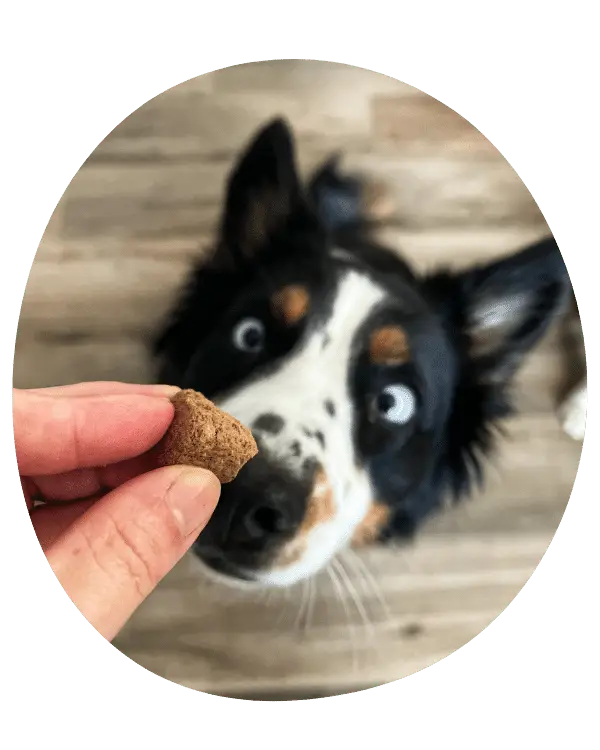
Learn about Raw Diets
Many of us who now confidently embrace fresh feeding once started with kibble. We understand the apprehension of taking charge of your pet’s nutrition, breaking from conventional norms, and navigating the uncertainties that come with it. We’ve been there. We’re confident the more you delve into the world of fresh feeding, the clearer things will become. Knowledge is power, and the uncertainties diminish as you gain insights into the benefits and practices of raw feeding. Before you start feeding your pets raw, it’s essential to understand how raw diets work, their benefits, and the safety measures in place. We are committed to transparency and have provided resources to educate you about raw feeding.
Explore the resources below to raw feed with confidence:
Determine How Much to Feed
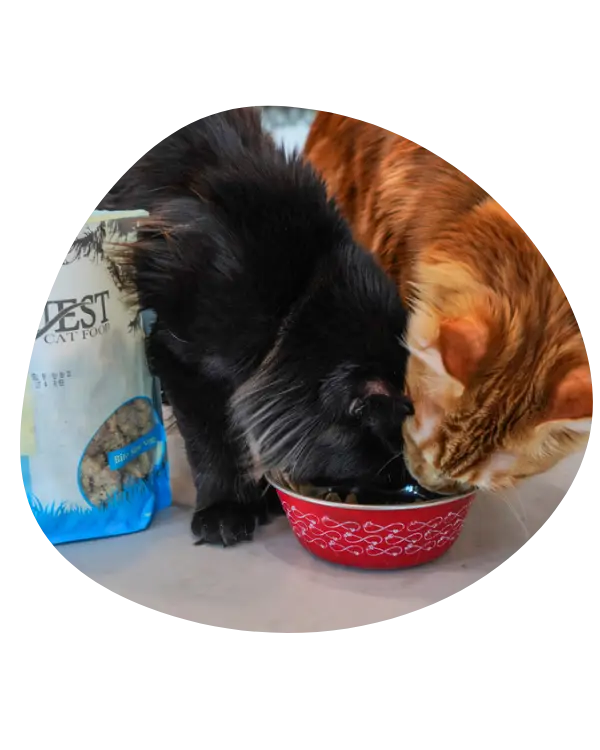
Feeding your pet a raw food diet will often require less food than if you were to feed them a kibble/grain-based diet because raw pet food has so much more nutritional value.
Use our raw feeding calculator to get a customized feeding recommendation for your pet(s).
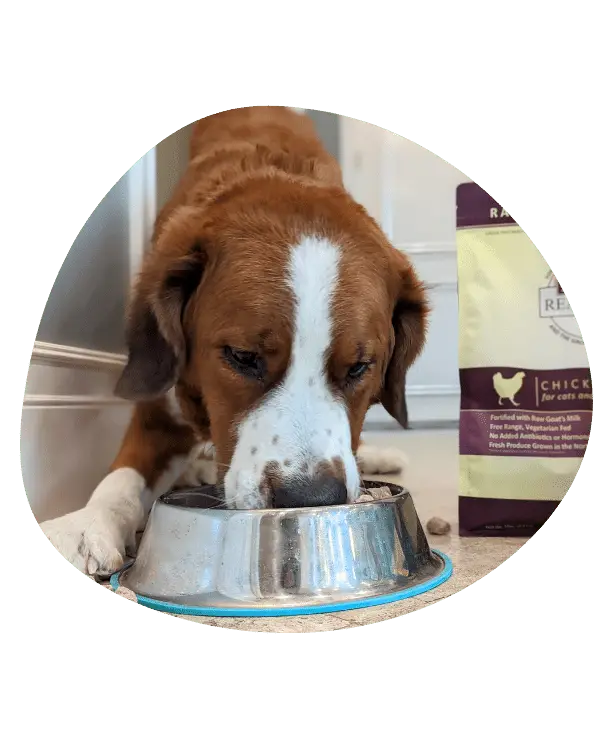
Determine the Cost to Feed
The first question many people have is “How expensive is raw food?”Real talk: while raw food may be more expensive than traditional dry diets because it doesn’t contain fillers, many pet parents say they save money in the long run on costly dental cleanings and other vet expenses because they are elevating the overall health of their pets. Some fresh food is better than none. If the expense deters you, try starting by pairing raw with your pet’s current kibble. Studies show that as little as 20% can have a positive impact on health.
Once you know how much food you need, you can reference our pricing page to calculate the approximate cost of feeding your beloved pet. With our feeding calculator and pricing information, you can ensure that your pet enjoys the benefits of Steve’s Real Food while keeping track of your budget.
Find a Store to Buy Raw Pet Food
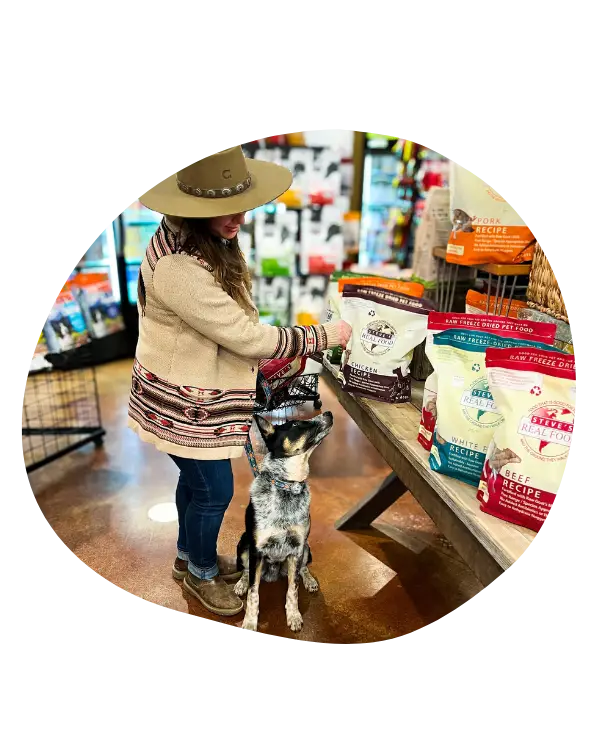
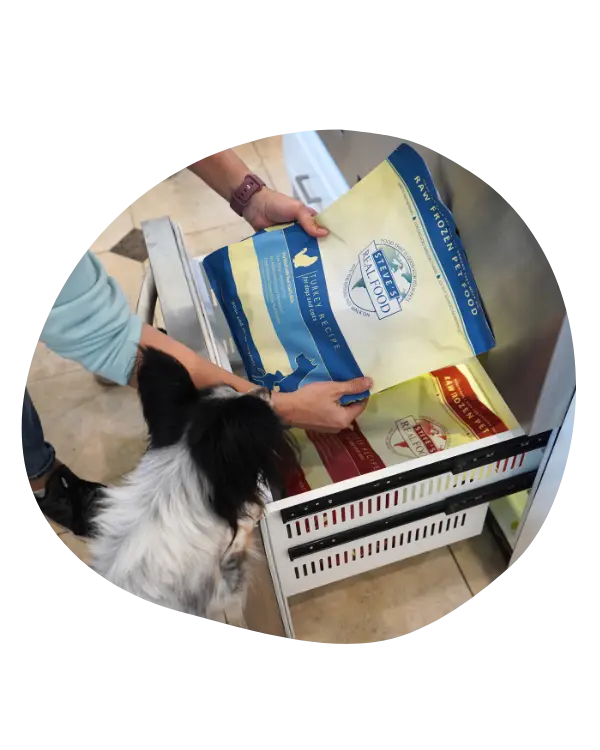
If you are looking for raw pet food, you can find it at your local independent pet retail store. An independent pet retail store refers to a locally owned pet store, rather than a big box pet store. Once you are at the store of your choice, you can ask for the raw food section or look around for the freezers. You may find raw pet food in a white solid-door freezer like the one you have in your garage or a glass-door freezer. Don’t hesitate to open the door and explore!
Make Freezer Space
Raw pet food comes in frozen and freeze-dried varieties. While freeze-dried options are shelf-stable for convenience, frozen food is more economical. Clear freezer space, especially if you have a large dog, multiple pets, or plan on buying in bulk. The frozen food should remain so until the day before you are ready to feed it to your pet. We suggest thawing the food 24 hours in advance. So each day, you take out the next day’s portion, and put it in the fridge to feed the next day.
Below are the dimensions of our frozen raw pet food products:
- Quest Frozen Cat Food: 8.5 x 10 x 4
- 20lb Box of Patties: 9.5 x 12 x 10
- 14lb Box of Patties: 12 X 11.25 X 5
- 9.75lb Box of Nuggets: 10 x 5 x 16
- 5 lb Box of Nuggets: 4 x 11 x 14
Purchase a Protein Your Pet Does Well On
There are a lot of choices, where should you start? A good bet would be to start with a protein source your pet already likes and does well on. If you are currently feeding your pet a food with chicken as the main ingredient, start with our chicken diet. Pick a size that is most appropriate for the size of your pet. Big dog? Patties will probably work best for you. Teenie weenie pomerenie? Try the nuggets. But one of the great things about raw pet food is that it is so soft and easy to mush into small pieces that no matter what size product you buy, even the smallest pets can devour it with ease.
Transition Your Pet to Their New Food
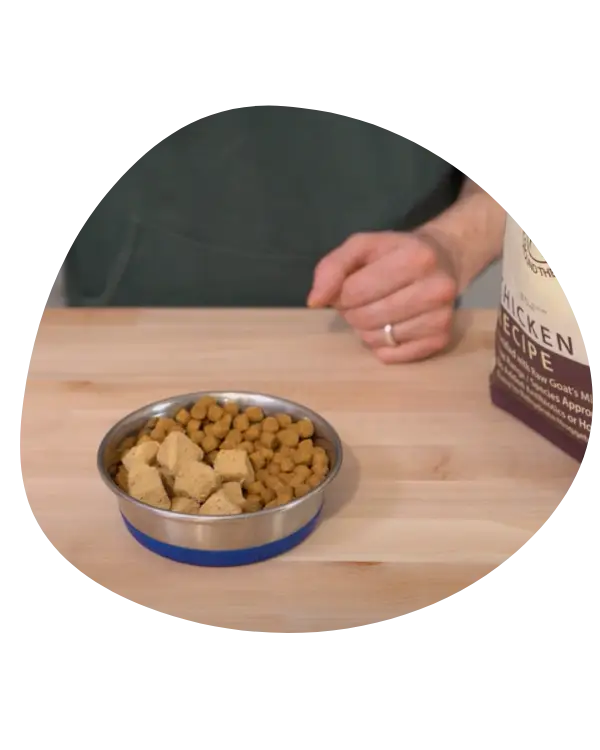
Start by replacing a small portion of your pet’s current diet with raw food and gradually increase the amount over 1-6 weeks. Switching to a new food too fast may cause digestive issues for your pet, which is no fun for anyone involved. Monitor your pet’s reactions during the transition and adjust the transition speed accordingly. We’ve put together a guide with visuals, and tips and tricks to make the process of switching to raw pet food smooth and enjoyable for both you and your furry friend.
Welcome to Steve’s Real Food!
Don’t hesitate to take the first step toward feeding a raw diet for a healthier, happier furry companion. We’re here to provide the guidance, support, and encouragement you need. Use the chat or visit our contact page to get in touch.