The Growing Market Demand for Raw Meat Diets

More and more pet owners are realizing the benefits of a raw diet, but either do not have the time or worry about contamination and do not desire to make it themselves.  The demand for a properly prepared, complete diet, raw meat pet food is growing exponentially.

First, let’s define properly prepared raw meat diet?

“Complete and balanced foods or feeding programs, using high quality ingredients, and processed and handled according to human standards. Commercial products have clearly marked safe handling instructions.”

Please note these are not all-meat diets, they are complete and balanced foods or feeding programs.

There are three different types of properly prepared raw meat-based diets.

* Feeding programs of raw food, which may include raw bones, from Pat McKay, Wendy Volhard, Kymythy Schultz, and Ian Billinghurst.

* Well thought out homemade recipes, from Dr. Richard Pitcairn and others, often using packaged mixes.

* Complete and balanced commercially available foods meeting AAFCO guidelines, like AFS, and Steve’s™ Real Food™ for Pets.

All of these are based on a diet such as might be found in the wild. Think of the dog eating a mouse or rabbit. The dog would eat raw meat, crushed bones and the prey’s digestive system, which would be full of finely crushed vegetables and fruits, and food and digestive enzymes.

The raw meat feeding programs vary. Some of the feeding programs and diets contain grains. Most do not. Many advocates of raw feeding believe that dogs and cats do best with almost no grains. Some use whole raw bones (chicken backs, turkey and chicken necks, chicken wings), some use crushed bones, and some add other sources of calcium and phosphorous.

Please note that we are not talking about what may be fed to greyhounds to enhance their racing performance. We’re not dealing with 4D meats. We’re talking about diets, using high quality ingredients, fed to dogs to enhance their overall life span and health. Although the number of diets on the market is small, some of these diets have been fed for many generations.

Properly prepared raw meat-based diets are expensive: Costs range from equal to the cost of super-premium foods for great shoppers and cooks, to three times the cost of super-premium foods for some of the commercial raw meat-based diet brands. To reduce cost, many people mix raw diets with a traditional dry food.

Raw feeding programs have been around for a long time and are well proven. Julie de Barclay introduced a complete feeding program in 1955. Subsequent feeding programs have been used over the last 40 years and for many generations of dogs and breeds. These programs include lots of variety, every meal different. Most BARF and Ultimate Diet feeders are very disciplined. Few BARF feeders mix the full weeks ingredients together as the speaker yesterday suggested. BARF feeders believe in the BARF program. In my opinion, when done right, the feeding programs like BARF and Kymythy Schultze’s are the most nutritious, and most palatable ways to feed dogs, perhaps even better than Steve’s Real Food. They do take time and preparation. Many people, though, want the same convenience with a raw meat based diet as they find with other dog foods.

The commercially made raw meat-based diets were developed to fill this need. They are formulated to meet or exceed AAFCO profiles for all life stages.

The commercially prepared raw meat diet manufacturers want the same things as other pet food companies – nutrition and safety. This is why some brands are presently, or will soon be, conducting AAFCO protocol feeding trials. And why some companies have joined the Petfood Institute.

How safe are properly prepared raw meat-based diets?

This question covers two subjects. One, how safe are properly prepared raw meat-based diets for dogs and cats; and two, how safe are they for humans to handle.

Over the last two years, we’ve seen many formerly skeptical veterinarians, breeders and retailers accept the fact that properly prepared raw meat-based diets are safe for dogs.

When I give my dogs bones – usually raw turkey necks – my puppy usually buries hers. A week or so later she’ll eat it. I can guarantee you that the bone is full of bacteria. But the puppy loves it and thrives on it. I hate to admit it, but week old turkey necks are still her favorite food.

We all know that raw meat has bacteria, most beneficial and some not. We also know that these bacteria do not pose a substantial risk to the dog under proper conditions of use. The short digestive systems of dogs allow them to stay healthy in the presence of potential pathogens.

Commercially made properly prepared raw meat-based diets have an excellent safety record. In the Northwest, where a lot of people feed raw meat diets, I’ve talked to all the retailers that sell raw diets, know all the distributors, I’ve done seminars in the stores, exhibited at veterinarian conferences, and met many thousands of consumers. Raw meat feeders are increasingly Internet connected. Word of mouth spreads quickly. If there were problems, my retailers would know about them and I would know. Indeed, our market keeps growing, success story after success story, retailer after retailer.

Our market and the growing number of raw meat feeders nationwide believe that properly prepared raw meat-based diet are as safe to handle as any raw meat product, like hamburgers, steaks, ribs and so forth. As with any raw human food product, safe handling instructions are important. Steve’s Real Food safe handling suggestions state:

“Treat as you would any raw meat product. Keep away from small children. Clean your hands, the dog bowls and all utensils in hot soapy water.”

Steve’s Real Food, like all properly prepared raw meat-based diets, takes extra care to ensure safety.

First, we use all human edible ingredients and handle the product according to human-edible standards.

Second, we manufacture the product in refrigerated rooms, keeping the temperature of the product below 28 degrees F during forming. We then individually quick-freeze, or flash freeze, at about –50 F wind chill, our ¾” nuggets. This not only locks in taste and nutrition it also minimizes opportunity for microbial growth.

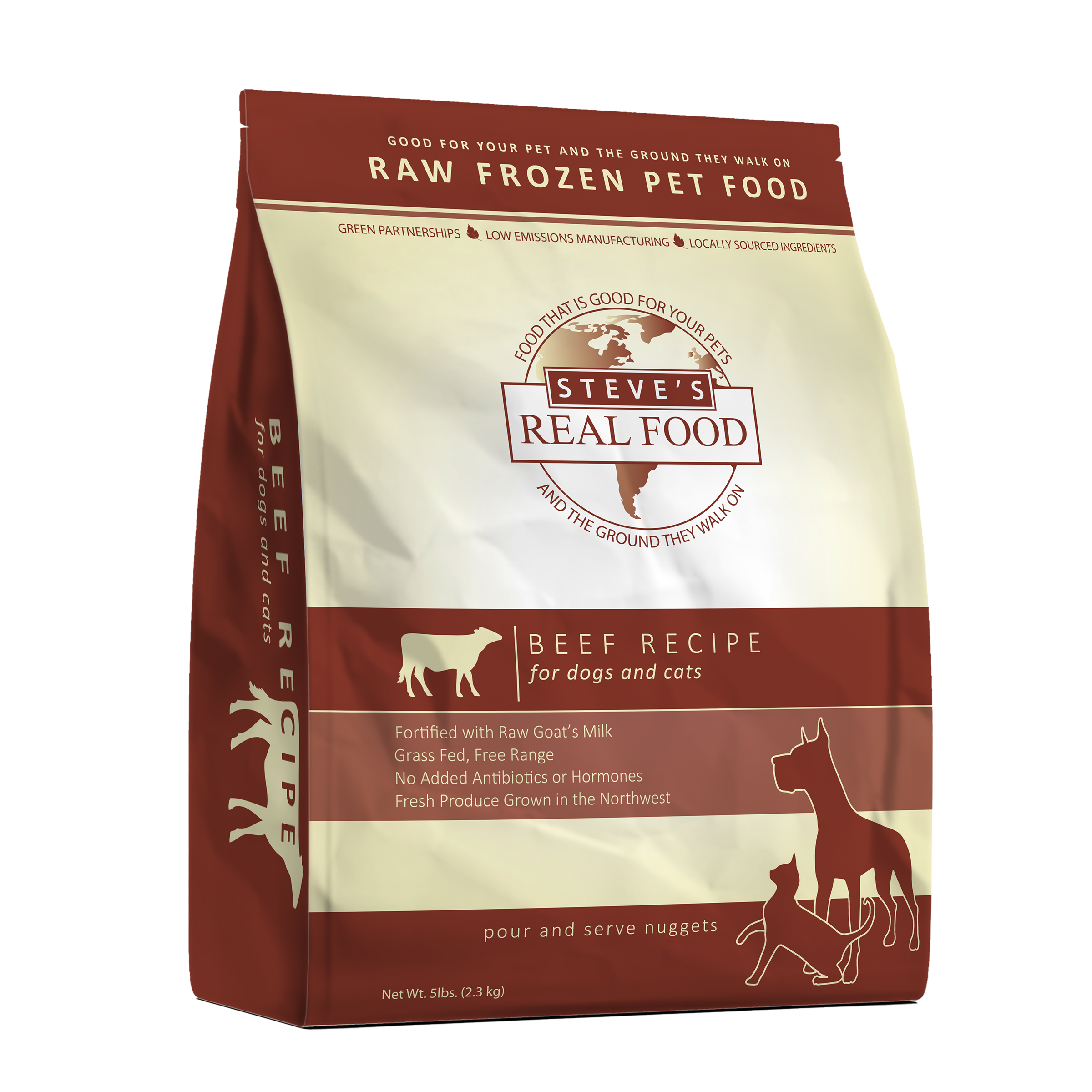
Third, we make the food very easy to serve and clean up. Our nuggets are almost as easy and safe to serve as kibble, and certainly easier—and cleaner—than canned dog food. No can openers, utensils or cutting surfaces are needed.

To serve, most of our customers open their freezer, take out the bag, pour the right number of nuggets either directly into the dog’s bowl and serve, or into another bowl and defrost in the refrigerator. Most of our customers, we believe, defrost just what the dog needs for the next meal. This minimizes any mess in the refrigerator.

In addition, the flash frozen nuggets keep their shape in the dog’s bowl. The dogs eat them cleanly and quickly. We all know how much most dogs love real meat!

Why the market thinks raw meat-based diets are highly nutritious.

Results. They see how healthy dogs are on properly prepared raw meat-based diets.

We, in fact, believe there are many advantages to properly prepared raw meat-based diets.

Raw foods contain more of the nutrients found naturally in the starting ingredients than those that have been heavily processed through canning, extrusion, drying, acid treatment or some other process. Please understand that we are not saying that traditional dog foods lack nutrition. We are simply saying that there is more nutrition in minimally processed raw foods. That is why many of our customers often shop at farmers’ markets and natural food stores. They believe the taste and nutrition of fresh, whole foods is better for them and their pets.

To best understand the quality of these diets, let’s look at the ingredients in Steve’s Real Food for Dogs, my product. Other commercial products have similar ingredients.

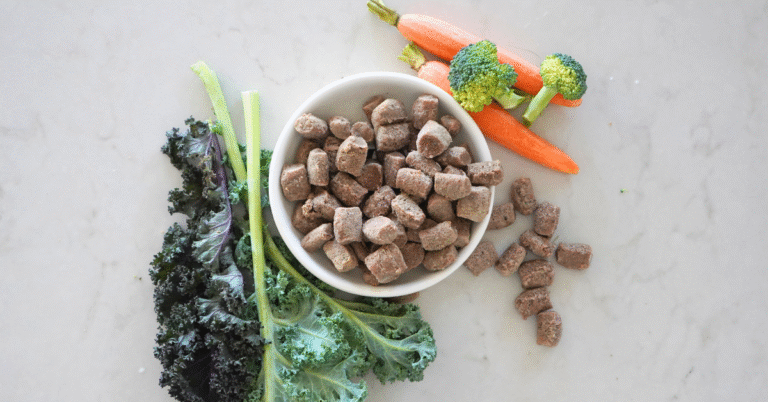
This food is about 60% human quality chicken, 38% human quality vegetables and fruits, and 2% a special nutrient blend.

Delicious and wholesome. We’d all probably wish we, and our children, ate so well. Since the product is raw, produced in refrigerated rooms and flash frozen, the nutrients remain intact. As you might surmise, this product was formulated to meet the nutritional levels established by the AAFCO dog food nutrient profiles for all life stages.

Raw foods contain numerous substances – including enzymes and complete families of antioxidants and phytochemicals – that modern science is discovering are important for optimum nutrition in humans and laboratory animals. My market and I think this holds true for dogs and cats.

Pet Nutrition Science is a dynamic field. As with human nutrition, we are all learning more everyday. For example, we’ve recently learned of the nutritional value of Omega 3 fatty acids, carnitine, taurine, selected fibers, and many other things. Pet foods continue to get better and better.

One such area of study is enzyme addition. Enzymes are found abundantly in fresh, raw foods. When the dog ate its natural prey the dog consumed hundreds and probably thousands of different types of food, metabolic and digestive enzymes.

Enzymes are deactivated or destroyed at temperatures above 105 to 170 degrees F; all the natural enzymes are destroyed in cooking dog foods. This forces the dog’s digestive enzymes to do all the work, and perhaps puts a strain on the dog’s long-term ability to manufacture necessary metabolic enzymes.

What are the value of enzymes? With humans, some prominent scientists and physicians claim that enzyme deficiency is America’s #1 health problem. For dogs and cats, Nature’s Recipe®, in their literature, noted that one of the factors in disease is the “inability of the body to produce adequate quantities of essential enzymes to digest food.”

A little over a century ago Vitamin C was first discovered. In 1958, free radicals were discovered. Today, when we think of disease-fighting nutrients, we don’t just examine A or E or C. We study the phytochemicals, flavonoids and antioxidants.

Phytochemicals are naturally occurring compounds in vegetables and fruits. Epidemiological evidence from more than 200 studies of humans link consumption of foods rich in phytochemicals with decreased risks for certain diseases ranging from some cancers to aging to some forms of dysplasia.

Fruits and vegetables have hundreds of antioxidant compounds. Some antioxidants, like vitamin C, and perhaps some of the unknown antioxidants, are destroyed by heat. There is a growing consensus among researchers that antioxidants must be in balance, that humans and laboratory animals need the complete families of antioxidants that only raw foods provide. Many of the antioxidants identified as having a health-protective effect represent a group of compounds found in the intact food, which in concert provide the health-protective effects. The selected antioxidant alone will not yield the entire health benefit.

To be at our best, we can’t just add selected antioxidants and phytochemicals to our diets: People need some raw foods. My market and I believe these are important to pets too.

Now that we’ve seen why many people believe properly prepared raw meat-based diets are highly-nutritious, let’s take a closer look at who these people are, and, for those who feed commercially made raw diets, where they buy their food. We’ll then conclude this section with a look at how raw diets fill an important need of the independent pet food store.

Who is feeding properly prepared raw meat-based diets

There is a new joke in the raw feeding community. What does BARF now stand for? Born Again Raw Feeders. Some raw feeders are, in a sense, obsessive about telling other people their success stories with raw feeding.

Our market is quite broad: Breeders, boarding kennels, veterinarians, and individual dog owners who fall into the dog-as-important-family-member category. I’ve met raw meat eaters of all breeds, large and small. Feeding raw diets is somewhat income related as raw meat based diets are certainly more expensive.

I can probably divide the market for raw meat-based diets into two groups of people: People who believe in natural foods for themselves and people who want the best for their dogs. Both groups seem to be well connected through the Internet.

Most of our market believes in their right to choose organic, natural, or whole foods. Whether or not the benefits from organic or natural foods have been proven through science is not an issue with them. They believe in the benefits of whole foods, the value of enzymes, and especially unknown nutrients. They also believe that there is a lot that science does not know about nutrition. They often shop at natural food stores and farmers’ markets. They are often vocal, and they are definitely growing.

A second group of raw meat based diet feeders consist of people who seem to care more about their dog’s diet than their own. They feed their dogs only the best. These are some of the people who started feeding the higher priced super-premium foods that took off in the 80s. Often these people learned about raw diets because their dog has or had a health / skin / allergy / coat problem and a friend or veterinarian told them about a raw diet solving that problem. Interestingly, we’re finding that some of this market are changing their personal diets based upon the success they’ve seen with their dog foods, eating more fresh vegetables and fruits and less grain.

Many of both of these groups of people were making their own raw meat based diets before they were introduced to the commercially available raw meat diets. We make it easy for them, and assure them that the food is complete and balanced. But if they can’t buy it, they will make their own, which may entail greater risk to them (more handling) and to their dogs (the food may not be complete and balanced).

Where people buy our products.

Our retailer market consists of veterinarians, leading-edge independent petfood stores, and natural food stores.

Three of our top five retailers are veterinarians. They see results. We work with holistic and, recently, a growing number of traditional veterinarians. There are hundreds of veterinarians nationwide who are selling or recommending properly prepared raw meat-based diets.

Independent petfood stores have always needed differentiated products. Today, with premium petfoods available in grocery and mass-merchandise, the remaining 10,000 or so independents are further challenged. Many are now finding that properly prepared raw meat-based diets are filling their need for highly differentiated, profitable, petfoods. Large grocery and mass merchandisers often sell premium petfoods at lower prices than many independents can buy it. Differentiated products are often the only ones they can make money on. My guess is that as of September 2000 over 600 independent petfood stores nationwide have invested in freezers and sell raw meat-based diets. I expect this to triple next year.

As I mentioned above, properly prepared raw meat-based diets fit the natural food store shoppers’ belief system. They know the value of eating raw, complete foods for themselves, and believe raw meat-based diets will benefit their dogs. My guess is that as of September 2000, 200 natural food stores sell raw meat-based diets. That number will probably more than double in 2001.

The need for regulation

One leading Northwestern trainer and breeder said to me “The worst looking dogs I see are on bad raw meat diets; the best looking dogs I see are on properly prepared raw meat-based diets.”

There are people who feed raw meat improperly; those using home made recipes without the science, or those who daily add several cups of raw hamburger to their dog’s kibble. Calcium is usually the problem. Readily available, properly-prepared, commercially made raw meat-based diets meeting AAFCO standards will solve this problem.

The need for regulation is clear. Enforcement of existing petfood regulations, with the addition of safe handling instructions, will help dog owners, retailers and most of all dogs. However, regulations should not be done in a manner that limits choices to the owner, in the same way that regulations should not impair the availability of properly labeled organic or natural foods. Regardless of your beliefs on the merits of raw foods, it should still be the consumers’ right to choose what they think is best for their pets.

On another note, I also suggest that the AAFCO petfood committee should begin work on revised nutrient profiles for properly prepared raw meat-based diets. I make this suggestion because the bioavailability of nutrients, especially minerals like zinc, in grain-free raw diets may differ from their availability in heat processed grain-based foods.

When Vomiting Is Not About The Dog Food

When you pet vomits it can be a very alarming incident.  Immediately you think “Is something you ate?”, “Are yPuppies Scarfing Dog Foodou sick?” and then the sympathy sets in and you feel bad for pour sick Fido.

The truth is that Fido may not be sick at all.  If your dog scarfs down its food or gulps up large amounts of water before eating, they will vomit up what they just ate.  Their stomachs can’t handle the sudden intake of food and water and so it rejects it.

Therefore next time your pup pukes, take a look at the consistency of the vomit.  If it is undigested food, then they are probably just eating too fast.  Also remember the the number one indicator of your dog having a parasite or pour organ function such as kidney failure is what is coming out the other end.  If you see diarrhea or a sudden change in the consistency then they are likely sick and you should consult your holistic veterinarian.

Food Habits of Feral Carnivores: A Review of Stomach Content Analysis

Originally published in the Journal of the American Animal Hospital Association Nov/Dec 1979, Vol. 15, page 775.
Reprinted with the permission of the AAHA.

By: Susan M. Landry, BS and H.J. Van Kruiningen, DVM, PhD

Introduction

A good deal of disagreement exists within the veterinary profession about the proper diet for dogs, some nutritionists advocating meat and fat rations and questioning the need for carbohydrates, and others describing a necessity for carbohydrates and suggesting deleterious effects from high meat protein diets. The proliferation of commercial dog food products and the hyperbolic television advertising associated with them have compounded the dilemma for the veterinarian and the dog-owning public.

The authors became concerned about canine rations because recent studies suggest that canine acute gastric dilation may be related to diet. The disease occurs with greatest frequency in the best-cared-for animals, in dogs fed exclusively soybean-cereal grain-expanded dog food products. Acute gastric dilation occurs shortly after a meal and has been shown to be fermentative in origin.

We conducted a review of the available wildlife literature, with the intent that the information gathered concerning food selection among feral carnivores might influence future considerations regarding the feeding of domestic carnivores.

Review of the Literature

Food habits of feral carnivores have long been of interest to wildlife specialists, who have attempted to elucidate predator-prey relationships and their fluctuations. Three methods have been used to determine the foods of feral carnivores: (1) examination of stomach contents; (2) scat analysis; and (3) direct observation.

In the examination of stomach contents, samples are floated in water and then dried in ovens. This is a common method. A partial identification is accomplished by inspection of undigested fur, bones, feathers, plant material, teeth, scales, and other such tissue. Identification is completed by microscopic study, comparing these materials with reference collections. Stomach contents are relatively easy to identify, and this method allows for distinction between carrion and freshly killed material.

In the scat analysis, fresh feces are collected, floated in water, and dried in ovens. Identification is based on comparisons with reference collections. This method provides a larger sample size than stomach contents, but identification is more difficult.

Direct observation of animals’ feeding is the third method used. Ear tagging devices and radio telemetry permit precise tracking of an animal’s movements, thus allowing first hand observation. This method of monitoring is especially valuable for studying endangered species or animals on game preserves.

We chose to review stomach content analyses because they offer more information than scat analysis and greater numbers than have been studied by direct observation.

Coyote

Table 1: Food Habits of Coyotes, as Determined by Examination of Stomach Contents

Economic losses to farmers resulted in extensive studies of the coyote’s predatory behavior. Sportsmen and trappers have made a large number of specimens available for research. Thus, the food habits of this canid are well delineated [Table 1]. Sperry, in a 5-year study encompassing 17 states and all seasons, ranked rabbits as the primary food of coyotes. Carrion and rodents were next in importance. Similar findings have been reported for various regions.

Table 2: Comparison of Food Habits of Coyotes from Four Regional Areas in California

Geographic influences on selection by the coyote are exemplified in a study of 2222 stomachs from California. Regional differences among four areas of the state are documented [Table 2]. The intake of rabbits in the eastern region is twice that of other regions, while the deer intake is almost one-half, suggesting a proportional relationship. This type of relationship is also seen in the coastal region where coyotes appear to prey predominantly on the rodent population, resulting in a decreased intake of rabbits, sheep, and birds. Other examples of regional influence can be seen. Stomachs of coyotes from Texas contain fruits of native plants; poultry remnants are a common finding in stomachs of coyotes from such states as Arkansas, Nebraska, and Missouri, where broiler production is a prominent industry. These findings suggest that the coyote is an opportunistic scavenger.

Table 3: Seasonal Variations in Food Habits of Coyotes

In an analysis of 770 stomachs of coyotes in northwestern Missouri, rabbits were the staple food. The percent occurrence, however, varied seasonally and annually, the changes reflecting the population densities of rabbits. The greatest consumption of rabbits occurred in the winter – 58.1% by volume compared to 35.2% in the summer [Table 3]. Mice and rats were found more frequently and in greater quantity in fall and winter months. This report is at variance with other studies, which report highest consumption of rodents during the summer and fall. It may be more difficult for coyotes to find and capture smaller animals in the snow. A slight increase in the amount of carrion consumed in the winter months has been reported.

Unusual foods and/or quantities of food merit mention. Items such as leather, paper, and tinfoil have been found in coyote stomachs. Dirt, sticks, pebbles, and bark are often found in coyotes that have been trapped. Stomachs filled with insects have been reported. Farmers cultivating watermelons have experienced heavy losses from coyotes. Persimmons are frequently found in stomachs and, in areas where they are plentiful, comprise a significant part of the coyote’s diet.

Table 3: Seasonal Variations in Food Habits of Coyotes

In an analysis of 770 stomachs of coyotes in northwestern Missouri, rabbits were the staple food. The percent occurrence, however, varied seasonally and annually, the changes reflecting the population densities of rabbits. The greatest consumption of rabbits occurred in the winter – 58.1% by volume compared to 35.2% in the summer [Table 3]. Mice and rats were found more frequently and in greater quantity in fall and winter months. This report is at variance with other studies, which report highest consumption of rodents during the summer and fall. It may be more difficult for coyotes to find and capture smaller animals in the snow. A slight increase in the amount of carrion consumed in the winter months has been reported.

Unusual foods and/or quantities of food merit mention. Items such as leather, paper, and tinfoil have been found in coyote stomachs. Dirt, sticks, pebbles, and bark are often found in coyotes that have been trapped. Stomachs filled with insects have been reported. Farmers cultivating watermelons have experienced heavy losses from coyotes. Persimmons are frequently found in stomachs and, in areas where they are plentiful, comprise a significant part of the coyote’s diet.


Fox

The fox, like the coyote, has been the subject of much research. Foxes have also been considered extensive predators of domestic livestock. Analysis of food habits of the fox indicate that this canid is an opportunistic carnivore, consuming items that are easily obtained.

Table 4: Food Habits of Foxes, as Determined by Examination of Stomach Contents

The major foods of foxes are small mammals such as rabbits and rodents. Although these foods are similar to coyote foods, there are differences. Some reports indicate that rodents are more important to foxes as a staple food, though this is not borne out by available data [Table 4]. In addition, the red fox eats less rabbit and more of other game than the coyote.

The importance of game birds in the fox diet in debatable. Instances can be found where game birds are a major food item. This choice of prey probably occurs when there are large populations of birds or when populations of rabbits and rodents are low. Inspection of fox stomachs often reveals that this animal is not strictly carnivorous. Apples, grasses, persimmons, plums, and miscellaneous vegetation are often found. A comparison of red and gray fox stomach contents shows different preferences. Plants appear more frequently and in greater volume in gray foxes. This difference is especially noticeable in winter months.

Wolf

Table 5: Food Habits of Wolves, as Determined by Examination of Stomach Contents

The food habits of wolves are modulated by their social behavior. Food is often obtained by a cooperative effort of the pack. As a result of the animal’s size and pack society, the wolf can successfully prey on a variety of animals [Table 5].Historically, the food of wolves appeared to have been buffalo, antelope, elk, deer, caribou, and moose. Today, when populations are adequate, these animals still comprise the major part of the diet of wolves. Caribou and moose remnants predominate in wolf stomachs in northern regions. In areas where man has settled and substituted domestic livestock for food, the wolf has done likewise. Tissues from livestock occurred 456 times in an analysis of 3346 wolf stomachs. Stomachs were obtained from states west of the 100th meridian and reflect the agriculture of that region. Wolves select animals requiring the least amount of energy to hunt and kill. Domestic livestock are unable to defend themselves effectively and are easily captured.Flesh, hair, and bones of deer are found in stomachs of wolves from all regions. Deer are also eaten in greater numbers than is represented by their populations. This suggests that deer are preferred food.

Beaver tissue and carrion are common findings in wolf stomachs. Carrion is utilized as food, particularly by animals that have been handicapped by injuries from traps or by worn teeth and in areas of low prey populations. Minor food items eaten by wolves are rabbits, hares, birds, and fish. Insects, invertebrates, and fruits, such as plums, watermelons, and berries also are seen in wolf stomachs. Infrequently, snowshoe hares are reported as a major food source. The size and social behavior of wolves would suggest that the hare probably does not contribute significantly to the wolf diet.

Bobcat

Table 6: Food Habits of Felidae, as Determined by Examination of Stomach Contents

Bobcats eat mice, hares, rabbits, squirrels, and porcupines [Table 6]. Deer are also considered an important food item, but there is some controversy as to how this animal is obtained. Bobcats have been observed consuming carcasses of deer with gunshot wounds. Eyewitness accounts have also documented instances of bobcats preying on live deer. The actual preference of the bobcat, whether for freshly killed meat or for carrion, cannot be determined from the information available.

The frequency of porcupines in the bobcat diet is significant. Bobcats do not seem to be adversely affected by quills. Porcupines are frequently found in bobcat stomachs even in areas where porcupine population densities are low and where other bobcat food is plentiful. This suggests that porcupines are preferred food.

Minor food items are birds, skunks, and fish. Leaves, twigs, soil, and other such debris also are commonly found. Since bobcats are ground feeders, the presence of these items is probably the result of accidental ingestion. Green grass is also found frequently enough to be considered a food item. The nutritional value of grass in the bobcat’s diet, however, has not been determined.

Cougar

Little is known of the food habits of cougars. Deer supply the major portion of the diet – outnumbering the total of all other prey [Table 6]. Other important foods are porcupines and lagomorphs. Tissues from horses, cows, coyotes, bobcats, skunks, and beavers also have been recovered from cougar stomachs. This data indicate that this felid prefers to eat large animals. The intake of lagomorphs may be an indicator of availability rather than preference. Low population densities of larger animals may force utilization of rabbits and hares for food. The cougar will also consume grasses in both winter and summer. Brown, coarse, giant ryegrass has been found in the stomachs of cougars. This type of grass is avoided by livestock even in winter. Nutritional benefits of this grass for the cougar are unknown.

Lynx

Knowledge of food habits of the lynx is also sparse. The major food supply of this felid is the snowshoe hare [Table 6]. Microtines and birds are next in importance. Lynx will also utilize red squirrels, fish, grass, and birds, particularly ducks.

The importance of the snowshoe hare is emphasized by the frequency of occurrence and/or percentage biomass. In Central Alberta, snowshoe hares represented 75.7% biomass, carrion second at 9.8%, and ruffed grouse at 9.2%. In Alberta and MacKenzie districts, snowshoe hares occurred with a 52% frequency, while the second ranked food item, microtus, occurred with a 22% frequency. The absolute dependence of the lynx on the snowshoe hare has been attributed to what is termed “feline specialization”. Felines choose their foods with respect to their own size. The lynx is a medium-sized feline, and thus is limited to capturing small animals.

Discussion

From these many studies into the food habits of feral carnivores, it can be concluded that the staple diet of carnivores living in a natural setting includes other animals, carrion, and occasionally other fruits and other grasses. The larger the predator, the larger the prey. Wolves and cougars possess the capability to bring down large species of prey and thus eat less frequently than other carnivores and tend to engorge when they do. While the domestic dog is regarded as a descendant of the wolf, out-crossings with other canid species appears to have been responsible for many of our domestic breeds. Most of our domestic breeds possess the conformation, size, ferocity, and hunting capability similar to that of the coyote and the fox, carnivores that hunt individually, catch and kill small animals, eat carrion, and occasionally car fruits or grasses. The data suggested that medium- and small-sized carnivores are sometime hunters, sometime scavengers, eating what they can get their claws on. Anatomically, our domestic breeds of dogs possess gastrointestinal systems similar to those of the feral carnivores studied. They share in common strong carnassial teeth, simple stomachs of great digestive capability, thickly muscled esophagus, stomach, and intestine, residual cecae, and simple non-sacculated colons.

Recognizing the limitations inherent in stomach analyses as traditionally performed, it nevertheless appears reasonable to surmise from these reports that carnivores in their natural environment consume diets high in animal protein, bulk, and roughage (not plant fiber, but indigestible or poorly digestible parts of animal carcasses, such as bone, cartilage, scales, fin, fur, feather, tendon, and teeth), and low in carbohydrates and caloric density (the fat content of the flesh of wild rabbits equals 5%).

The medium and small feral carnivores undoubtedly eat several times daily (nightly really) catching as catch can, with periods of rest or fruitless scavenging or hunting in between. From stomach analyses it can also be recognized that carnivores masticate their prey minimally and prefer to swallow large bollets, ie – portions of carcasses with indigestible portions included.

An understanding of the food habits of feral carnivores should influence the diets and feeding practices we impose upon domestic carnivores.

Phosphorus and Calcuim in Your Dog’s Diet

By Dr. Spencer Roach
Research and Development
Steve’s Real Food Inc.
Eugene, OR 97401

Raw diets, when prepared properly, are certainly the healthiest ways to feed dogs. But too often many people get confused about the proper ways to add calcium and phosphorus and change a great diet into a poor diet. Dogs need the proper amounts of calcium and phosphorus in order to grow well and remain healthy. This article will outline how much calcium and phosphorus dogs need, why, and will list the calcium and phosphorus sources of common ingredients used by many raw feeders.

Calcium and phosphorus are both essential minerals in canine diets. Calcium is a critical component of bone and cartilage, and it also plays a minor role in hormone transmission. Phosphorus is also a major component of bone. Calcium and phosphorus are found in bone as calcium hydroxyapatite, with a molecular formula of Ca10(PO4)6(OH)2. While the calcium/phosphorus ratio in hydroxyapatite is 1.7:1, energy-carrying molecules such as ATP (adenosine tri-phosphate) and others increase non-skeletal demand for phosphorus. As such, the optimal dietary calcium/phosphorus ratio is between 1.2:1 and 1.3:1. The chart below lists calcium/phosphorus minima and maxima for various life stages on a dry matter basis1.

Growth Adult Maintenance Maximum
Calcium 1.0% 0.6% 2.5%
Phosphorus 0.8% 0.5% 1.6%

Calcium/phosphorus metabolism is mediated by 1,25(OH)2-vitamin D in the small intestine, and by parathyroid hormone in the bloodstream. There is a complex feedback loop that balances intestinal absorption, bone resorption, and renal excretion of both minerals. Too much calcium can result in increased bone density, which has been implicated as a factor in hip dysplasia in young and old dogs alike. Too little calcium can cause bone demineralization (and consequently an increased risk of skeletal fracture) and stunted growth. Phosphorus excess can lead to renal damage, while phosphorous deficiency is rarely (if ever) seen in carnivores.

Most of the calcium and phosphorus in Steve’s Real Food chicken and turkey varieties comes from raw, ground up chicken backs or turkey necks. We also use a variety of calcium and phosphorus supplements in order to reach optimum levels of nutrition. Many raw diet advocates overestimate the levels of phosphorous in meat. Meat and pure calcium supplements alone do not provide adequate levels of phosphorus. We found through extensive nutrient analysis that we had to add phosphorus in conjunction with calcium. We use several pure calcium sources and calcium/ phosphorus sources to fine-tune our food’s nutrition. Below are the calcium and phosphorus contents of some common raw meaty bones and other mineral sources. Also included are moisture, protein, and fat, so the mathematically inclined can estimate the dry matter calcium/phosphorus content as well as the energy density. Carbohydrate content is negligible for all ingredients.

Calcium (%) Phosphorus (%) Moisture (%) Protein (%) Fat (%)
Beef, whole 0.07 0.2 65.5 19.6 12.2
Chicken Brest 0.01 0.17 69.5 20.9 9.3
Chicken Backs 0.48 0.4 60.7 12.6 24.4
Chicken Wings 0.87 0.78 64.8 17.2 12
Turkey Necks 0.69 0.73 62.5 12.4 19.9
Beef Bonemeal 30.6 11.3
Egg Shell Powder 38.1
Dicalcium 29.4 23
Phosphate

1) Association of American Feed Control Officials (AAFCO), Official Publication, 2001.

Benefits of Raw Dog Food Diets

We all know that people need real, whole, minimally processed foods in order to thrive. So do dogs and cats. I’m sure no one here would want their children to live exclusively on a diet of only processed foods, like Special K¬ or Total¬ cereals. Why would you want your dogs or cats to eat only highly processed foods? Dogs and cats, like people, to be at their best, need a variety of whole minimally processed foods: meats, vegetables and fruits containing natural enzymes, phytochemicals and flavonoids.

In this talk, we will show why dogs and cats thrive on properly prepared raw meat-based diets, and why processed foods can never match the nutrition of a properly prepared raw meat diet. We will review the superb safety record of properly prepared raw meat diets; a record that probably every grain-based manufacturer would envy.

And then, looking specifically at the trend-setting Northwest, we’ll look at who is feeding raw meat- based diets, what they are feeding and how. Along the way, we’ll correct common misconceptions about raw meat-based diets. We will then conclude with a look at the future of the raw meat-based diets, and what effect these diets will have on the traditional industry.

First, what do we mean by properly prepared raw meat diets?

Properly prepared raw meat diets are “complete and balanced” foods or feeding programs. There are, generally speaking, four different types of properly prepared raw meat-based diets:* Commercially made foods, like AFS, Bil Jac, Love Your Pet, Pat McKay, and Steve’s™ Real Food™ for Dogs;

  • Feeding programs from Wendy Volhard, Kymythy Schultze (The Ultimate Diet) and Billinghurst, who popularized Bones and Raw Food (BARF);
  • Whole grain and herb mixes for raw meat like Sojourner Farms; and
  • Well thought out homemade recipes, from Dr. Richard Pitcairn and others.

We are not talking about what may be fed to greyhounds to enhance their racing performance. We’re talking about diets fed to dogs to enhance their overall life span and health. Some of these diets have been fed to many generations of dogs.

These diets are often based on the natural diet — the healthy, well-fed prey of dogs. Think of the dog taking a mouse or rabbit, and what the dog eats. The dog would eat raw meat, crushed bone, and the prey’s digestive system, which would be full of finely crushed vegetables and fruits, and food and digestive enzymes.

Why raw meat based diets are highly nutritious.

Let’s first look at the ingredients of two of the leading brands in the West.

Love Your Pets: Organic ground turkey with bone and fat, oats, barley, carrot, zucchini, high oleic safflower oil, flax meal, alfalfa leaf, kelp, nettle, lecithin, garlic

Steve’s™ Real Food™ for Dogs, Chicken variety: Ground chicken (includes backs), broccoli, romaine lettuce, carrots, cantaloupe, chicken livers, chicken hearts, flaxseed, rice bran, anchovies and sardine oil, dried kelp, extract of chicory, sea salt, zinc, iron and copper proteinates.

Sounds delicious and wholesome, don’t they? And nobody can dispute the nutritional content of these human quality foods. We’d all probably wish we, and our children, ate so well. Since the products are raw, produced in refrigerated rooms and flash frozen, the nutrients remain intact. These foods, and the above mentioned feeding programs, naturally have all the amino acids, fatty acids, vitamins, minerals, enzymes and phytochemicals upon which the dog evolved.

We see the results. When we switch dogs from processed grain-based foods to properly prepared raw meat-based diets, the improvement in the dog is usually profound; everything from brighter eyes to bushier tails. Skin problems clear up. Energy levels improve. Teeth are whiter, breath is better. Arthritis often goes away in weeks. Long term multigenerational feeding programs by Volhard, Schultze, McKay, and others show that results are just as profound in the long term. The dogs live longer, healthier, happier lives.

Heat, the enemy of nutrition, and why processed foods can never match the nutrition in properly prepared raw meat-based diets.

Most kibbles are produced at temperatures above 300 degrees F under 600 or more pounds of pressure per square inch. I don’t think anyone can dispute the fact that this is a harsh environment for many nutrients. Heat destroys all the enzymes, some of the known antioxidants, and perhaps many of the known and unknown phytochemicals and flavonoids. High heat may alter the bioavailability of some of the minerals and perhaps even alter the chemical structure of the amino acids. The pet food industry, through AAFCO, has done an excellent job of compensating for the known lost vitamins and the decrease in bioavailablity of minerals with increasingly more rigorous standards, especially when compared to NRC standards of just 20 years ago. Indeed, I predict that 20 years from now the AAFCO nutrient profiles will list micronutrients that we’ve yet to discover. These micronutrients are, of course, already in BARF, the Ultimate Diet, and Steve’s Real Food for Dogs.

Let’s take a closer look at some of the nutrients that are in the properly prepared raw meat-based diets that are not in processed grain based foods.

Enzymes and Phytochemicals

Natural, whole intact raw foods contain numerous substances — including enzymes and phytochemicals — that modern science is discovering are important for proper nutrition in humans and laboratory animals. We think this holds true for dogs and cats as well.

Enzymes are specialized protein substances that are involved in all the dog’s activities. Even thinking requires enzymes. Enzymes are found abundantly in fresh, minimally processed natural foods. When the dog ate its natural prey the dog got lots of food and digestive enzymes.

Enzymes are deactivated or destroyed at temperatures above 118 to 170 degrees F; therefore there are no enzymes in processed dog foods. This forces the dog’s digestive enzymes to do all the work, and perhaps puts a strain on the dog’s ability to manufacture necessary metabolic enzymes.

Perhaps one of the reasons we see such immediate improvements with older dogs when converting them from processed grain-based foods to quality raw meat based diets are the enzymes in the raw foods. With aging the dog’s secretion of enzymes is gradually reduced and the benefits of eating natural foods with enzymes increases.

A little over a century ago Vitamin C was first discovered. In 1958, free radicals were discovered. Today, when we think of disease-fighting nutrients, we don’t just worry about A or E or C. We study the phytochemicals and flavonoids in plants and herbs. Phytochemicals are naturally occurring compounds in vegetables and fruits that are getting increasing attention from researchers looking into the connection between diet and disease. Some phytochemicals function as antioxidants. Epidemiological evidence from more than 200 studies link consumption of foods rich in phytochemicals with decreased risks for certain diseases ranging from some cancers to aging to some forms of dysphasia. For instance, the sulforaphanes found in broccoli have been shown to help prevent certain types of cancers.

Fruits and vegetables have hundreds of antioxidant compounds. Some, like vitamin C, are destroyed by heat. There is a growing consensus among researchers that a variety of whole foods — not supplements — should be the source for antioxidants. Many of the antioxidants identified as having a health-protective effect represent a group of compounds found in the intact food, which in concert provide the health-protective effects. The selected antioxidant alone will not yield the entire health benefit. “Vitamin research has only scratched the surface in understanding subclinical deficiency states, bioavailablity, and nutrient-nutrient interaction.”(The Nutrition Desk Reference, Garrison and Somer, 1995.) One needs to eat the natural, intact vegetable or fruit, with the full complement of natural phytochemicals, to yield the entire health benefit. Raw forms of vegetables and fruits are the most consistently associated with lower risk of cancer. (Steinmetz and Potter, “Vegetables, fruits, and cancer.” 1991).

In sum, people, laboratory animals, dogs and cats need some whole, intact foods in order to be at their best. One cannot replace or add all the enzymes, antioxidants and phytochemicals that are destroyed or altered in processing.

Are raw meat based-diets safe?

I’ve talked to all the leading companies that sell raw meat-based diets. Together, they have fed hundreds of thousands of dogs for many decades without a single documented bacterial problem. In the Northwest, where a lot of people feed raw meat diets, I’ve talked to all the retailers that sell raw meat diets, know all the distributors, I’ve done seminars in the stores, exhibited at veterinarian conferences, and met many thousands of consumers. If there were a problem, I would know. I’ve heard of no documented cases of bacterial problems from eating raw meat-based diets. None.

This is a safety record that the processed grain-based food companies would envy. We’ve had no vomitoxin and aflatoxin problems. No recalls.

Why properly prepared raw meat-based diets are safe.

Dogs have short acidic digestive systems, especially when compared to humans. Think of your dog burying a bone, and digging it up weeks later. Dogs can eat things that would kill humans.

Now that we’ve seen that properly prepared raw meat diets are highly nutritious and very safe, let’s look at the trend setting Northwest, and see who is feeding raw meat foods, what they are feeding and how.

The Northwest

Marketing people know that many trends start in the West, specifically the Northwest.

Who is feeding raw meat-based diets.

People who feed raw meat based diets include breeders, boarding kennels, veterinarians, and individual dog owners who fall into the “dog as important family member” category. I’ve met raw meat eaters of all breeds, large and small. Feeding raw meat-based diets is somewhat income related as raw meat based diets are certainly more expensive than supermarket grain-based foods.

Many vegetarians and natural food store shoppers feed raw meat-based diets. This fits their overall food philosophy. These people believe in the benefits of whole foods, the value of enzymes and phytochemicals, and other known and unknown nutrients. They know that raw meat diets provide nutrients that processed grain-based foods do not. These are part of their core beliefs. Attacking their core beliefs converts proponents into activists.

A second group of raw meat based diets feeders consist of people who may eat junk food themselves, probably because we lack dietary self-discipline, but feed their dogs only the best. Often these people learned about raw meat based-diets because their dog has or had a health / skin / coat problem and a friend told them about raw meat based diets solving that problem.

What people are feeding.

Raw meat-based diet feeders feed much more than BARF, (Bones and Raw Food popularized by Dr. Ian Billinghurst.) Some do not even feed bones. Generally, we find four different types of feeding systems, which often overlap.

  • Complete feeding systems, like BARF:
  • Commercially made complete and balanced foods, like Steve’s Real Food;
  • Excellent homemade recipes, sometimes in conjunction with a whole grain and herb like Sojourner Farms Pet Products; and
  • Poor homemade recipes.

Chicken, turkey, beef, lamb, venison are the most popular protein sources. Raw fish diets are very rare. Some of the feeding programs and commercial diets contain grains, and some do not.

Juliet de Barclay introduced complete feeding programs in 1955. Wendy Volhard and Kymythy Schultze have been developing their programs for over 20 years and many canine generations. These programs include lots of variety, every meal different. Some days the dogs fast. In my opinion, when done right, these feeding programs are the most nutritious ways to feed dogs. They do take time and thought, though.

Commercially made complete and balanced for all life stages raw meat-based diets are becoming increasingly popular in the Northwest. Leading brands include Pat McKay, Love Your Pet, and Steve’s Real Food for Dogs. To correct a misconception, in Petfood Industry May 1999 and other magazines, a writer for a large dog food company posed the question: “what to feed: raw or prepared?” This is misleading. Many raw meat based-diets are prepared, and have been for many decades. Perhaps the author was afraid of how people would answer the real question, “what to feed, raw or processed?”

Some people feed homemade diets using recipes from Dr. Pitcairn (The Natural Health of Dogs & Cats) or other complete and balanced recipes.

There are people who feed raw meat improperly, those using home made recipes without the science, or those who daily add several cups of raw hamburgers to their dog’s kibble. Calcium is usually the problem. One leading Northwestern trainer and breeder said to me “The worst looking dogs I see are on bad raw meat diets; the best looking dogs I see are on properly prepared raw meat diets.”

How they feed

There is a misconception about how much effort it takes to feed raw meat diets. The headline “Raw food diets are difficult” is misleading. With some of the commercially available raw meat diets, they are almost as easy to feed as kibble. Just defrost and feed. For those that want to make their own food, there is more effort, but it is not difficult. It is an effort of love and care.

Many people mix raw meat based foods with grain-based foods, usually to reduce overall cost. I’ve seen people mix with mass-market dog food, but most mix with top of the line processed grain-based (Innova, Precise, Wysong, Solid Gold). An increasing number mix with whole grains and herb mix like Sojourner Farm.

So this is a glance at what is happening in the trend setting Northwest. Now let’s project out a few years, and look at the future of the raw pet food industry and what it means to the traditional industry.

More on Cat and Dog Nutrition

Canine and feline nutritional requirements reflect evolutionary experience extending hundreds of thousands of years into the past. Until recently, dogs and cats always ate a diet based upon real, raw foods. Scientists are learning more every day about the values of phytochemicals, enzymes, antioxidants, bioflavonoids and essential fatty acids, especially the Omega-3s. Recent research, for example, is focusing on the cancer fighting properties of phytochemicals. There are tens of thousands of phytochemicals, which occur naturally in vegetables and fruits.

We believe that only fresh, raw, minimally processed foods, based upon the ancestral diets of dogs and cats, can provide all the essential known and unknown micronutrients upon which they evolved.

All Steve’s Real Food diets are complete and balanced and are formulated to meet or exceed AAFCO growth & reproduction guidelines for nutrient content. You can feed our food exclusively without having to worry about nutritional deficiency or excess. Take a look at our nutrient profiles for cat and dog foods.

What is Ash content?

The “ash content” is a measure of the total amount of minerals present within a food, whereas the “mineral content” is a measure of the amount of specific inorganic components present within a food, such as Ca, Na, and C1. Ash is the inorganic residue remaining after the water and organic matter have been removed by heating in the presence of oxidizing agents, which provides a measure of the total amount of minerals within a food. Determination of the ash and mineral content of the food for a number of reasons:

  1. Nutritional Labeling – The concentration and type of minerals present must often be stipulated on the label of a food.
  2. Quality – The quality of many foods depends on the concentration and type of minerals they contain, including their taste, appearance, texture and stability.
  3. Microbiological stability – High mineral contents are sometimes used to retard the growth of certain microorganisms.
  4. Nutrition – Some minerals are essential to a healthy diet (e.g., calcium, phosphorous, potassium and sodium) whereas others can be toxic (e.g., lead, mercury, cadmium and aluminum).
  5. Processing – It is often important to know the mineral content of foods during the process because this affects the physicochemical properties of foods.

How much protein is in Steve’s? 10% protein for dogs and 14% for cats sounds so low.

All natural diets for dogs and cats are high in protein and so is Steve’s Real Food. On a dry matter basis, Steve’s Real Food for Dogs is 45% protein, and Steve’s Real Food for Cats is 48% protein.

On the package of all pet foods, one can find a guaranteed analysis. The guaranteed analysis refers to the amount of the product by weight that is protein, fat, fiber and water. Steve’s Real Food for Dogs is 10% protein by weight.

The natural diets of dogs and cats contain a lot of water, as does Steve’s. Almost all natural ingredients have a high water content: Meat is 60 to 80% water, vegetables and fruits are 90% or more water. The natural method for dogs, and especially cats, to get their water is through their foods.

Water does not add calories. Therefore the proper way to look at protein is on a dry matter (DM) basis. Remove the water, and look at the percentage of the food that is protein. On our label, we list the percentage of the product that is protein. With natural diets the two percentages are quite different.

For example, let’s compare Steve’s Real Food (listed as 10% protein and 78% water) to a premium kibble (listed as 28% protein and 10% water). Divide the listed protein percentage by 1 minus the percent water. Examples:

Steve’s chicken, Protein (DM) = .10/(1-.78) = 45% protein.

A premium kibble, Protein (DM) = .25/(1-.10) = 28%.

Like all natural diets, Steve’s Real Food is a high protein food. In contrast, all kibbles are much lower in protein than the ancestral diet of dogs and cats. Even vegetables on a dry matter basis are more than 30% protein. In addition, with kibble much of the protein comes from grain, which is not a natural or complete source of protein for dogs and cats. There is a considerable difference in the quality between the protein in real, raw meats and the protein from extruded grain-based foods.

I’ve heard that dogs and cats have digestive problems when you change their diet. But you promote dietary variety. Will my dogs and cats get diarrhea?

Like humans, dogs and cats who are accustomed to variety can handle new foods with ease. Introduce new foods slowly to dogs and cats that are not used to variety.

One should feed a variety of food to puppies and kittens. Once they are accustomed to variety, they will accept new foods with ease.

Why do cats need taurine?

Taurine is a colorless, crystalline compound which is found in the free form in invertebrates and in the bile of mammals. It promotes the intestinal absorption of lipids (fats) as cholesterol.

Taurine is an important part of the feline diet and is essential in preventing a disorder in cats called “dilated cardiomyopathy” (which is a failure of the heart muscle whereupon the heart tissue itself swells to try to meet the animal’s circulatory needs), as well as being very significant in helping feline reproduction and prevention of a progressive retinal disease called feline central retinal degeneration (FCRD) which will cause blindness if left untreated.

In queens that have taurine-deficient diets, there are more still births, fewer live kittens born, and ultimately fewer kittens that survive to the weaning stage.

In the wild, rodents formed a large part of the feline diet, and the rodents had significant levels of taurine in their brains.

When we began to domesticate cats and feed them commercial cat foods instead of their wild diets, taurine deficiency started appearing.

This was of great concern, especially in the 1970’s, when it was proven that many commercial cat foods on the market at that time contained an inadequate amount of taurine.

Cats are different from other animals in that they cannot make enough taurine internally to meet their needs, and they must have enough taurine supplied to them in their food.

Since these studies came out, most major pet food companies revised their pet food formulas to include taurine. Interestingly enough, not all taurine is equal, and some commercial foods need to have even more taurine added to their formulas to allow for proper feline absorption and utilization of the taurine in their foods.

Is Raw Safe?

What about E-coli, salmonella and other microbes? Is raw meat safe?

This is a very legitimate concern, and is often the first question pet owners have. It is an easy question to answer. Properly prepared raw meat-based diets are very safe for dogs and cats, and appear to have a better safety record than processed grain-based foods.

Dogs are scavengers and can eat foods humans can never eat.

For hundreds of thousands of years, dogs ate only raw foods; often old, rotten raw foods. For 99.99% of the history of dogs, nobody ever cooked for them. And they ate very little grain. Dogs are scavengers. Picture giving your dog a bone with some meat on it. She buries it in the backyard, digging it up weeks later. Or the dog drinking from a duck pond. They can thrive in the presence of microbes that would kill humans.

Cats and Dogs are natural carnivores that have evolved while eating their prey raw.

Cats were originally domesticated to protect granaries because cats would not eat grain, just pests that wanted the grain.  Similarly dogs come from the wolf who is a scavanger that eats meat and plants.  Both dogs and cats have short, highly acidic digestive systems.  Their shorter digestive time does not allow harmful bacteria an opportunity to establish themselves.

Steve’s high quality preparation and ingredients minimize any risk of bacterial problems.

Steve’s is produced at a human-edible meat processor that meets the highest quality standards in the country. For example, we produce the food in a refrigerated room (42° F), and we never allow the food to get over 27° F, and freeze all the ingredients for more than 72 hours to kill any latent trematodes, worms, and parasites.

In addition, we add Fructooligosaccharide (FOS, labeled as extract of chicory) which is a prebiotic compound that selectively stimulates growth of beneficial bacteria, including Bifidobacterium, Lactobacillus, and Bacteroides species. Establishment of these beneficial genera in the colon reduces the numbers of harmful bacteria.

Properly prepared raw meat-based diets have proven to be very safe.

The rapidly increasing popularity of raw meat based foods alone is nearly proof that raw meat-based diets are safe. Much of the growth is through word-of-mouth and Internet chat groups. If there were problems, word would spread very quickly. At Steve’s Real Food, we know all the leading companies that sell raw meat-based diets. Together, the companies have fed hundreds of thousands of dogs for many decades without a single documented death due to a bacterial problem. We know most of the leading retailers nationally who sell raw meat diets, have exhibited at veterinarian conferences, and have met many thousands of consumers. If there were a safety problem with proper raw diets, we would know. We’ve heard of no documented cases of death due to bacterial problems from eating raw meat-based diets.

On the other hand, many grain-based foods have had major problems. Remember the vomitoxin problem many premium brands had a few years ago? Many dogs died. Vomitoxin is a by-product from the bacteria that infects the corn. In addition, pet foods that include peanut hulls are susceptible to aflatoxin poisonings.

Myths about your dog eating grass.

It is common to think that if your dog or cat is eating grass it is a sign they are sick or there is a nutrient lacking in their diet that they are naturally craving.  The latter is partially true.  In Jack Sommars article “Why Does My Dog Eat Grass” on PetsMatter.com, he explains that wolves, the dogs ancester, are drawn to grass because it has intestinal parasites that will help control worms.  However, because of modern medicine your pet does not need to eat grass to control worms.  Therefore we theorize that the habit of eating grass is instinctual, a characteristic brought down from the wild.

Pros & Cons to Raw Pet Food

The Case AGAINST Raw Frozen Pet Foods

For some 25 years I have alerted the public to the dangers of exclusively feeding heat processed foods. Companion animal feeding has gone from table scraps and left-overs to today’s “100 % complete” processed foods in primarily kibble form, with some canned and semi-moist also available. The foods appear to be scientific and improved, but they’re far worse for the animals. Not only is nutrient value diminished by heat, but a spectrum of toxins is created. Additionally, the singular feeding of processed food has led to the spurious “100% complete and balanced” claim that is both logically and scientifically flawed.

Steve’s Real Food Response – For the last 25 years hasn’t Dr Wysong has been selling heat processed dry food?? We agree that the labeling as complete and balanced according to AAFCO regulations is flawed because there is much more involved with nutritional content than simply measuring protein, fat and fiber content. We believe this because protein and caloric content can evolve from ingredients that are not from sources beneficial or readily bio-available to pets. Historically commercial pet foods have been developed from human food bi-products. This is why, up until recently, most pet food companies were owned by human cereal food processors like Nabisco, Standard Brands, Nestle, Ralston and many others. A smart guy said” why don’t we run that waste back through the extruder and make a kibble for dogs to eat”. Dogs wouldn’t eat it because they didn’t want to eat corn and wheat so they coated it with yellow grease, tallow and rendered digest and dogs ate it growing obese and loosing immune system properties. No wonder most all dogs life span started to shorten after WW2 when commercial dry and canned pet foods became popular.

Entrepreneurs have seized upon this information to create a spate of raw frozen (RF) foods to capture a market niche and to fill the demand from consumers wanting a raw alternative to standard heat processed canned, semi-moist and dried pet foods. This market trend, as with most others, may begin with some truth (raw food is the best food) but gets distorted, if not perverted, once economic opportunity enters the picture. This paper will examine the rationale of these products, their economics and dangers. A more intelligent and healthy alternative will be proposed.

Dangers

1. Weakened Pets And Highly Virulent Organisms – A raw state and the presence of moisture in food provide the perfect environment for the growth of pathogenic organisms. Although prey foods in the wild often putrefy and are teeming with microorganisms, carnivores in the wild are immunologically adapted to these organisms and even benefit from the probiotic effects of some. On the other hand, domestic pets eating sterilized heat processed foods are immunologically compromised and are threatened by mutated and highly virulent pathogenic strains created by modern circumstances and antibiotic resistance. Freezing at appropriate temperatures puts pathogens in a state of arrest but does not eliminate them. Although all foods contain some pathogens, unless they are sterilized (requiring high heat or other measures that greatly diminish the nutritional value and create toxins), it is the load of these pathogens that must be of concern to consumers. RF foods are a potential reservoir and vector of large numbers of pathogens.

Steve’s Real Food Response – To say that pets have evolved immune systems because of eating commercial sterile food for that last 40 years or so is preposterous. It takes a lot longer than that to evolve an organic system to the above mentioned degree. If you look at the time pets evolved eating raw food and human waste compared to the time they have been eating commercial food it is like comparing an inch to a hundred miles. Also if you think about it, a sterilized bag of dog food sitting around the garage or laundry room is a perfect breeding ground for bacteria of a single kind which can be a much greater health risk. Pets thrive and benefit from multiple kinds of bacteria present in their diet. Dogs and cats still have the same lengthy resident time in the gut acid bath that they evolved with and that allows them to process and benefit bacteria that humans can not tolerate. Pet health deterioration is not an evolution issue, it is a health issue that has happened because of pets eating commercial dry food diets in a short a time. They have become obese, allergic, and lethargic and have shorter life spans. Also I would like to point out that Steve’s Real Food is made from human quality USDA inspected ingredients processed under strict quality control procedures, not from putrefying raw material. It is the dry food and canned food manufacturers that use 4D beef. The D’s stand for dead, downed, diseased or dieing cattle. These are commonly known as downers not fit for human consumption.

2. Producers With Only Kitchen Technology – Because of the minimal technology required to produce a RF pet food, essentially anyone regardless of credentials or expertise can bring a product to market. All one needs to do is grind and mix ingredients in a kitchen, package and put in a freezer. There are no controls over the conditions in the kitchen, the quality of the ingredients or the method of freezing. All these factors can dramatically influence the nutritional value and pathogenic and toxic content of the food. But being in a frozen state hides these potential dangers and therefore poses a threat to both pets and the humans who handle the foods. John Doe can make a food under unknown conditions and with unknown ingredients, label, package, freeze and deliver to consumers or stores without one single control monitoring or impeding the process. Regulators may eventually examine the label if they happen to see it in a store (they will never see it if shipped directly to consumers) and object to some terminology or the like; but, all John needs to do is change the label and all will be well. The product could contain every manner of ingredient, be laced with virulent pathogens, and receive the aegis of regulators? And into the market it goes.

Steve’s Real Food Response – Our food is made in a plant that cost in excess of $400,000 to complete. We use Formax forming equipment to make patties and our own specially designed extrusion system to make the kibbles. This is the same kind of stainless steel equipment that is used for human food production. We use a production crew that has extensive experience in human food production and they use the same quality control procedures as those used in human food production. Our plant is certified by the state and sterilized after each production run. We agree that some RF producers may not have the experience and facilities that we do and that is why we feel we have the best raw food available. We sample our products and test them for salmonella, campylobacter and pesticides. We even wipe the plant equipment down with a sponge and run the same tests on the sponge to make sure the plant is always sanitary. We register our products each year with the states we ship product to and comply with their testing as well. I have 30 years in the commercial pet food business and I am making raw food because I realized what a poor job commercial pet food manufacturers were doing making canned and dry products. Our formulas were developed by Steve Brown with an extensive background in food nutrition with help from UC Davis School of Veterinary Medicine . We also have a PhD in animal nutrition at our disposal and use him for frequent consultation.

3. Raw Frozen Foods Are Not “100% Complete” – Many RF foods make (or imply) the same spurious 100% complete claim as heat processed foods and thus carry with them the same health dangers. Feeding any food exclusively, let alone a nondescript packaged food containing who-knows-what from who-knows what manufacturing environment, is a bad choice if health and safety are of concern. (See The Truth About Pet Foods by Dr. Wysong).

Steve’s Real Food Response – It is easy to meet AAFCO (American Feed Control Officials) requirements and to state that a pet food is complete balance nutrition. AAFCO simply requires a measurement of crude protein, fat and fiber without consideration of the type of protein, fat and fiber. This has allowed commercial dry foods to meet AAFCO requirements using proteins from carbohydrates such as corn, wheat and soy to comply. The problem exists that pets do not do well on carbohydrates and other types of filler included in traditional commercial food formulated to meet AAFCO compliance. We agree that many RF diets may not be complete because they are just meat or lack necessary vitamins to provide optimum health. That is not the case with Steve’s Real Food because we have based our formulas on science using premium raw material and quality controls to produce our products. Many RF producers may be amateurs producing products under questionable conditions; Steve’s real food however has done this nationally since 1998 making thousands of pets healthier and lives longer. We are not amateurs!

4. Problems Are Ignored By Producers – RF food pathogens include not only bacteria, but fungi, viruses and parasites. Toxins include those from molds (mycotoxins), bacteria and those created by oxidation. In our study of RF products in the stream of commerce, not one producer addressed these concerns with any technological know-how that we could discern, and most did not even acknowledge the problems potentially lurking in their foods.

Steve’s Real Food Response – Talk about toxins, how about aflatoxin found in Diamon and Doanes dry pet food. How about the vomotoxin recall with Natures Recipe pet food? One of the reasons I got into the raw business was because of a realization of toxins present in dry foods. Dry pet food producers have a sad history of killing or making our pets deathly ill due to inadequate testing procedures and low grade ingredients. Feed grain can contain certain levels of these toxins and that may not kill immediately. Consider the fact though that we feed the same diet over and over again with this toxin, no wonder pets get cancer with compromised immune systems. Cancer is the number one killer of pets. Feed grain specifications allow smutty, moldy, contaminated cereal to be allowed in commercial dry and canned pet food.

5. Freezing Masks Inedibles – Raw meat and organ tissue continues to use ATP (source of energy) until it is exhausted and the tissue enters a state of rigor. Endogenous enzymatic activity within the tissue continues to digest the muscle tissue (proteolysis), softening it until it becomes tender and develops the typical palatable taste. This process is retarded by cold. The freezing of properly aged meat presents few problems, however, any residual ATP present in the tissue during freezing will contract the muscle upon thawing resulting in a more unpalatable product. Mixed RF foods would hide this problem.

Steve’s Real Food Response – We mask nothing in our products while dry and canned food producers do mask bad smells, coming from inferior by products, with onion and garlic and other items to keep the pet owners from being repulsed. If you want to test palatability, set our frozen raw diets instant quick frozen made from high grade meats, vegetables and fruit from Del Monte down against a bowl of dry kibble. The dog will mow you over getting to the Steve’s real food.

6. Free Radical Problems Masked – Essential fatty acids and other health enhancing lipids are critical in the diet. Once foods are ground, mixed, exposed to air, light and pro-oxidants such as heme iron and other metals found in plant and animal tissue, the contained lipids are oxidized to chain reaction producing free-radicals, causing rancidity and oxidant toxins. Freezing at appropriately low temperatures slows this process but does not stop it. The temperature in conventional freezers used for RF foods is not insurance against such oxidation. Because the frozen state masks olfactory detection of rancidity, foods that would be otherwise rejected end up being consumed. The free-radical pathology potential can then work its chronic degenerative disease and immune weakening effects.

Steve’s Real Food Response – Our complete and balance diets have an Omega 3-6 balance that comes from the fresh raw ingredients and the exclusive premix we use. We use anchovy and sardine oils to do this without oils from larger fish such as salmon that may contain heavy amounts of mercury. We do not use slow freezing conventional freezer as some lower quality RF producers do We have nothing to mask because our ingredients are fresh and high quality..

7. Freezer Burn Indicates A More Serious Problem – Air reaching the meat surface is the cause for the freezer burns that result in the typical grayish-brown leathery spots. Frozen water on the surface or just beneath it sublimates (from solid state directly to vapor) into the air, causing moisture to be lost from the meat over time resulting in discoloration and a dry, leathery texture. Proper packaging helps maintain quality and prevent freezer burn, however most packaging is permeable to air. The prevalence of freezer burn in RF products speaks to the fact that the product is being oxidized and with that creating free radical toxins to lay the seeds for various degenerative diseases.

Steve’s Real Food Response – We use a nitrogen tunnel to freeze our products immediately after forming. Having a frozen product in a freezer with constant temperature variation because the door frequently is opened can cause frost on the outside of the product. You can witness this with human food in a freezer. The frost that may sometimes accumulate is not an indication of freezer burn so much as time frozen. Because of this we rotate our inventory and ship products within 30 days of manufacture. We also date code our bags with a best before date to insure our customers of freshness. Unlike many RF producers we don’t use inferior generic white bags with sticker label to designate what the product is. We have been converting our packaging to heat sealed nylon bags with a small window to let the customer see what is inside the bag. These bags are state of the art printed exclusive for each individual product with a zip lock to control freshness after processing. They are thick walled nylon to prevent puncture and prevent ambient air from seeping into the bag.

8. Display Packaging Causes Free Radicals – Light, as well as air, can promote free radical production. Retail display packaging that is clear or light permeable permits light to catalyze the free radical (disease promoting) process.

Steve’s Real Food Response – See above comment and also we would like to point out that RF products are kept in a dark freezer not on a loading dock or next the a heated window in the sun.

9. Frozen Products Are Not Inert To Degradation – In frozen storage there is deterioration in organoleptic quality – meat texture, fat turning granular and crumbly, and discoloration. Microbial enzymes also remain active, especially lipases that break down fats increasing their susceptibility to oxidation.

Steve’s Real Food Response – This is especially true for dry kibble. One of the primary causes the dry kibble has a short shelf life is the grease and rendering digest flaking off the outside of the kibble. Without that coating dogs and cats don’t want the stuff because carbohydrates are alien to their natural diet and taste buds. Everything degrades over time, a fact of life. Poke a miniscule hole in a can of dog food and wait a few days it will blow up. Set a dry kibble bag out for a time, especially in hot months, and watch out for what flies out of the bag. Ever wonder why commercial pet food warehouses have to be fumigated with pesticides continually. There are no pesticides in Steve’s Real Food, we even test it to make sure our fruit and veggies to ensure they are pesticide free.

10. Frozen Foods Can Lead To Acidemia – Tissue degradation and oxidation under high heat freezing (above 29° F), which occurs along the supply chain with most RF products, also leads to acidification. Increasing acid consumption can contribute to acidemia that lies at the base of virtually every chronic degenerative disease plaguing modern pets. (See reference below.)

Steve’s Real Food Response – We process at 27 degrees or below. Unlike some RF manufactures we control the production environment for temperature and exposure to pathogens that could cause rancidity and resulting academia.

11. Temperature And Time Are Critical – Ice nucleation, as opposed to ice crystallization, is the primary vector in producing a stable, tasty, frozen product. Freezing is a technically complex process based on the optimum combination of temperature and time, amongst other factors. In the wrong processor’s hands, slips in proper freezing care can lead to a microbiologically unstable product and/or a sensory inferior one. Rapid freezing leads to nucleation, thereby preventing undesirable large ice crystals from forming throughout the product. With rapid freezing the molecules don’t have time to form positions in the characteristic six-sided snowflake, so nucleation overrides crystallization. On the other hand, slow freezing (the usual RF situation) creates large ice crystals, which on thawing causes cellular damage to the meat. This in turn causes meat to “drip” – lose juiciness – and form a perfect liquid medium for bacterial growth.

Steve’s Real Food Response – We agree that many of our competitors use slow freezing. Steve’s Real Food uses liquid nitrogen to instantly freeze our product for precisely the reasons mentioned.

12. The High Risk In Thawing – Thawing is another critical phase in the freezing process as it involves a change from crystal ice to melted water, which upon reabsorption results in microbial reactivation. Pathogenic bacteria inherently contaminate raw meat, fish, and poultry and will begin to multiply again when the temperature reaches just 29.3º F – which is below freezing! Thus a product that may appear subjectively frozen could be a veritable incubator of pathogens. When consumers attempt to thaw RF foods, dangers dramatically increase. The surface temperature rises long before the interior is sufficiently thawed to serve. For example, it takes about 15 hours for the middle of a 22-pound turkey to get to 32º F. In the interim the surface temperature rises to 53º F. In this amount of time there would be about 4 multiplications of spoilage bacteria as well as non-detectable multiplications of pathogens. The FDA Model Food Code (1999) recommends that food be thawed in the refrigerator or in flowing water. Thawing RF food in the refrigerator can be inefficient and time consuming, in addition to occupying refrigeration space required for other food items. Most of all, this lengthy procedure can lead to the risk of cross-contamination when the drip from the raw meat comes in contact with ready-to-eat food stored in the refrigerator. In the alternative, consumers usually put the RF food out at room temperature, creating the perfect circumstance for pathogen proliferation.

Steve’s Real Food Response – We aren’t selling 22lb turkeys. We produce small kibbles or 8 oz. patties that have enough surface area to thaw effectively without contamination. We recommend that thawing take place in a refrigerator. I thaw my dog’s food by running warm water over it and feeding it within a few minutes. Talking about the use of refrigerator space or cross contamination seems to be the Author stretching for anything to complain about. The sterilized open can or dry kibble bag will grow bacteria much more rapidly than frozen products that contain good bacteria inhibiting growth of other dangerous pathogens.

13. Undetected Freeze-Thaw Cycles – The transit time of RF food from the processor (or John Doe’s kitchen) to the distributor, to the stores and eventually to the consumer is very critical. Although freezer delivery trucks might putatively maintain stable product temperatures, lack of thermocouples fitted in the truck to show temperature readings, and/or inadequate TTIs (time-temperature indicators) can lead to microbiologically infested products without any visible spoilage signs. If the refrigeration in any part of the supply chain fails temporarily and then goes back to frozen (freeze-thaw-freeze), the consumer would never know of this abuse and danger.

Steve’s Real Food Response – This may be a problem with sausage rolls (chubs), tubs, large medallions and packaged sleeves of 1 lb. or more. Steve’s Real Food is supplied to the customer in small kibbles or 8 oz. patties so that the consumer can detect if the product has had a temperature drop during the delivery process. After the instant quick freeze we package immediately and it goes through a wall into a storage freezer until it is shipped in a truck kept at zero degrees or below. If the temperature is compromised the product turns into one clump in the bag because of the small size and amount of product surface area.

14. Supply Chain Time Dangers – Time is the enemy of nutrition and safety. The longer the time between the farmer’s field and the belly, the greater the potential problems. RF foods create the illusion that time is not a factor. Because the frozen state masks toxins and odors, the consumer can be given the impression of value and freshness when, in fact, they may be getting age and toxicity.

Steve’s Real Food Response – I think this statement would be more applicable to kibble food where grains are produced and put in a storage silo for months growing mold, then into a rail road car crossing the nation with an open top, then dropped through the rail car belly into a screw conveyor with rats running around and up a bucket elevator that is never cleaned into a silo that is never cleaned then finally into a cooker. Have you ever driven by a commercial dry pet food plant or cannery, and taken a whiff?

15. Microwave Thawing Dangers – If RF foods are thawed in the microwave as a matter of convenience, the value of the food is greatly compromised. Microwaves can virtually boil the liquid phase within cells and electromagnetically alter important food components rendering them not only useless nutritionally, but toxic as well.

Steve’s Real Food Response – A microwave is kid glove handling compared to the extrusion cookers that produce kibble. These are steam jacketed machines that cook as much from friction generated by pressure as from heat dumping out 8 to 10 tons per hour of glop before they dry it so that it will absorb a tallow or grease coating, Pet food canneries inject steam into the products to raise the glop to a certain temperature then a piston jams the glop into a can, a lid is slapped on and it is put in a pressure cooker to get a core temperature so the can won’t blow up from the infested raw material in the can. We recommend not heating our product in a microwave above 160 degrees and would prefer it not be heated at all. Too much heat can destroy the essential natural vitamins, enzymes and bacteria pets need for optimal nutrition and digestion.

16. Mycotoxins Go Undetected – RF foods, particularly those that are a mix of cooked grains (which of course negates the claim for “rawness”) and vegetables, can contain mycotoxins. None of the producers surveyed addressed this problem.

Steve’s Real Food Response – We do not include cooked grains in any of our products. The fruits and vegetables are immerged in a cleansing bath to eliminate mycrotoxins.

17. Frozen Product Mixtures Make No Health Sense – In an attempt to cover every conceivable base and not miss any opportunity for profit, many RF producers mix every manner of ingredient. For example, watermelon, grains, persimmons, liver, lamb, etc. Not only would creatures in the wild never eat such a mixed gruel at one sitting, such combinations in the fresh state can cause serious digestive stress. Many of the exotic RF ingredients do not keep well in the fresh frozen state (for example, freeze watermelon alone and see what happens, let alone combining it with meat). Also, the combination of fruit sugars with proteins can potentially create toxins such as glycation end products, acrylamides (particularly in those “RF” foods containing cooked carbohydrates) and reaction products of proteins with plant tannins, phenols and flavonoids. Producers “throwing the book” at RF formulations in desperate attempts to capture market share make evident their motives and their scientific, health and technical naiveté.

Steve’s Real Food Response – What makes no sense is to health is feeding low grade cereal grains, human food by-products , or rendered meat meals to pets who are carnivores. We grind suitable amounts of fresh frozen fruits and vegetables into our products to provide natural vitamins and minerals instead of adding synthetic vitamin packs like the commercial dry and canned producers. They can’t do that because their cooking process is so harsh that it kills natural vitamins. We grind the fruits and vegetables so they are introduced to the pet in the same way they would receive them from the gut or craw of their prey. The grinding also makes the vitamins more absorbable by the pet. Our fruits and vegetables vary by type depending on our protein source because our formulas are balanced and complete.

18. Parasites Are Ignored – A wide range of parasites can be found within RF foods. Although there is technology in terms of freezing and natural ingredients that can be used to thwart this problem, none of the producers examined employed any of it that we could detect.

Steve’s Real Food Response – The Author must not have looked at Steve’s Real Food and the quality control features we employ.

Packaging

The best packaging for any food, particularly RF foods, is light- and oxygen-barrier and modified atmosphere flushed. In the absence of this, oxidation proceeds rendering the lipids toxic. None of the producers surveyed employed these technologies that we could detect. Even if they did, the other problems and dangers listed above would remain.

Steve’s real food Response – We are setting the standard for raw pet food packaging as mentioned previously. In 8 years of production we have never had a problem.

Environmental

We live in an age of pollution and energy diminishment. RF foods require a tremendous amount of refrigeration and equipment all along the supply path. Freezing is energy inefficient and consumes valuable energy resources. Since RF foods are 70% water (at least) there are huge resources wasted in freezing and transporting the tons of this food-contained water through the supply chain. Along with all the equipment, trucking, freezing and frozen water handling inefficiency comes the pollution that parallels such industry.

Steve’s Real Food Response – The straws being grasped for by the author are so small I can hardly see them. All I can say is have you ever driven by a pet food plant and if you could stand the smell looked at the steam and smoke belching out of the stacks. I personally am aware of ground pollution, air pollution, and water pollution in grate magnitude caused by dry and canned pet food facilities. Hey let’s not forget about air pollution, anyone want to live next door to a commercial pet food canning or extrusion plant?

Quality

In order to make their foods anywhere near affordable, RF producers must search the ingredient market for items that can carry the name of real food but may in fact be only a hollow shell of the real thing. Inferior meat and organ ingredients, heat processed grains and vegetable riffraff (for example “broccoli” on a label may really be broccoli stems – like eating a branch from an apple tree rather than the apple) are used because they are of low cost. That is not to say the marketing brochures and labels do not make it appear as though the brand is not a true gourmet meal. If one reviews the various labels it becomes clear that the race is on to see who can put the fanciest and most exotic ingredients on labels … as if that is the road to pet health. (It is not.) In a brief ingredient survey this is what we found:

Every manner of “pureed” vegetable
Organic beef, rabbit, chicken, turkey, goat, lamb, duck, pork
Organic honey
Organic papaya, persimmons, blueberries, oranges, apples, pears
Organic yogurt
Organic alfalfa, millet, quinoa and barley sprouts
Wheat grass
Nettles
Bok choy
Cultured kefir
Cod liver oil
Capsicum
Watermelon

The reader is challenged to go to the store and total up the cost of such ingredients. Some of the organic ingredients can cost over $15 per pound. But the RF diets containing them can retail for as little as $2-4 per pound. Take away margins for distributors and retail stores and the producer is selling them wholesale for close to a dollar per pound. Now on top of the cost of ingredients is the production, advertising, packaging, freezing and in some cases a sales force making six figures. Something most certainly does not add up. The only thing that can be missing is true ingredient quality. But how can the label say these expensive ingredients are in the food? All the producer needs to do is put in pinches of the expensive ingredients just to say they are there.

The only economic hope for a RF producer is to create the perception of “value added.” They simply could not put the costly ingredients in the food to any degree and make a profit for themselves and all the middlemen up and down the chain. The price they would have to charge would be ridiculous. In effect, in order to be successful, producers must become accomplished at propaganda, not health and nutrition.

Consumers interested in cutting through to the truth do themselves and their pets a service by going to the grocery store with a list of the ingredients ostensibly in a RF diet. Although some RF diets in the lower price range appear to not be attempting to mislead, consumers should do the math comparing the exotic ingredients in RF pet foods to the prices for the real thing in the store and decide for themselves whether either value or honesty resides in RF products.

Steve’s Real Food Response – We use common easily found fruits and vegetables from a reliable source. We use things like carrots, broccoli, romaine and apples. We use high grade poultry raised in barns, not caged or on a conveyor belt. We use high grade beef not fed growth hormone enhanced grain and not animals from dirty feed lots. We do not use organic or free range products because the prices are prohibitive and they are not found in abundance. We do believe the Author is correct about some raw food produces that seem to be making claims beyond the limits of reality. Not everybody does it truthfully and professionally in this fastest growing segment of pet food, Steve’s Real Food does however.

Economics

Consumers are under the mistaken assumption that a nondescript package mix of ingredients with an officious label and from a producer posing as a nutritional authority (none of the producers we examined had people at the helm with expertise or credentials) would be the best choice. Little do they realize that they could avoid essentially all of the caveats listed above by simply going to the grocer and buying fresh meats and produce. Pets do not require every nutrient in existence at every meal, as is the impression given by the 100% complete RF producers, and for that matter the rest of the pet food industry. Why would people choose to pay a producer to mix inferior ingredients, package them, label them, freeze them, transport them, advertise them and pay the margin for the producer, the distributor, sales force and the retailer when they can avoid all that cost and put their money into real quality fresh foods? Some people are so convinced that RF manufacturers perform some sort of magic that they will pay to have such foods put in special insulated containers packed with dry ice and overnight delivered! This is particularly ridiculous when one considers that no real convenience – and certainly no health or nutritional value – is added in the process. The consumer still has to go to the store and buy something.

At the grocer a person can buy fresh, raw, untainted meats and produce appropriate for pet carnivores at less than $1 per pound. Slightly out-of-date meats, sale items, trimmings or other still excellent products that cannot be put in the meat case can be even less. True, if you are to purchase the ingredients listed above in perfect human grade organic form (as many RF producers boast) the cost could be far greater. But at least you would know what you are getting. RF foods can cost as much as $7 per pound with an average of about $3-4 per pound (not including shipping to the customer’s door) and most of that cost is going into freezing, transportation and profits through a whole chain of participants. Here is a case where a consumer gets to pay more (a whole lot more) and get less (a whole lot less). Isn’t marketing a wonderful thing?

A Better Alternative

Fresh foods fed in variety are without question the perfect form of nutrition. Appropriately designed supplements to help reduce the risk of food-borne pathogens and oxidation, and to help balance high meat meals and provide a spectrum of vegetable-based nutrients and nutraceuticals can also be of great benefit. Anything less than this is a compromise. The next best alternative is packaged dried raw foods that have incorporated in them food technology to impede pathogens, parasites and oxidation. The low water activity of these products is a great inhibitor of pathogens and the low level of moisture make storage and shipping efficient and environmentally friendly. Good quality table scraps and properly designed dried extruded and canned foods can be mixed into the diet rotation with benefit as well.

Consumers must learn the principles of fresh foods fed in variety and to trust in nature. Every pet owner desires the best for a beloved pet, and is correct in thinking food is an essential element in achieving that goal. But it is incorrect to believe that another person can do more for their pet’s health than they can do themselves. All that is required is a little understanding and use of common sense.

[ NOTE: To that end, the Wysong Institute makes available a free e-Health Letter, a free one-hour CD entitled, "The Thinking Person's Master Key To Health," healthy product alternatives designed intelligently with health as the number one objective, and books and recipes for anyone wanting to take control of their own and their family's and pet's health. See www.wysonginstitute.org ]

Steve’s Real Food Response – Wysong is not making money on free letters, they are making money on commercial pet food we believe is inferior to our raw food diets. I feel I know because I have done it their way as a Board Member, President, CFO and Controller for more than 8 pet food companies for the past 30 years before seeing the light and helping to introduce Steve’s Real Food for Pets. Pet owners producing their own diets are fine. The problem is, to completely meet the needs of your pet, one should make a formula that is complete and balanced using raw food nutrients and research on the vitamin and mineral content of those items. We are adding value doing this for pet owners who do not have the desire to run a five horse grinder in a sterile kitchen making a diet that is very convenient to measure out and feed.

Gary Bursell

President

Steve’s Real Food for Pets

Benefits to Feeding Raw

Please speak with your veterinarian about any specific health problems. We are not veterinarians and cannot give medical advice on treating pets. If you’re not sure if a proper raw diet is right for your pet, feel free to print out our nutrient profile and discuss it with your veterinarian. The answers below represent what we have learned from research, science, veterinary feeding trials, first-hand knowledge and our customers testimonials.

If your pet has not been fed a raw diet before introduce Steve’s Real Food slowly to your pet. You may want to start with one nugget the first day, and increase to full time feeding over a period of one to two weeks. Watch your pet carefully and please note that not all health problems have a dietary factor.

Benefits to complete and balanced Steve’s Real Food for Pets diets:

The major benefit to Steve’s Real Food for Pets is simply improved overall health. However, in actual cases reported to us and in studies done on raw feeding, pet owners report changes, reductions or eliminations of the following:

  • Cleans and whitens teeth naturally
  • Cleans breath / reduces body odor
  • Reduces stool odor and volume
  • Weight Management
  • Many phobic behaviors disappear such as: aggression, moodiness, anxiety and fearful behavior
  • Promotes calmness and confidence
  • Dramatically increases energy, endurance, alertness and attention
  • Strengthening and healing of the immune system and organs
  • More affectionate
  • Reduced shedding
  • Reduction in hairballs
  • Allergies (such as: hot spots, cysts and eye tearing)
  • Dermatitis (healthier skin, less shedding and a full shiny coat)
  • Weight Problems
  • Parasites (internal and external)
  • Flea infestation
  • Arthritis and hip dysplasia
  • Ear and eye ailments
  • Kidney and liver dysfunction
  • Bladder Stones
  • Urinary crystals and infections
  • Diabetes
  • Cancer
  • Intestinal problems
  • Bloat
  • Diarrhea
  • And much more!

Frequently Asked Questions:

My dog has a long history of allergies. Can Steve’s help?

We’ve seen many allergic dogs and cats benefit from our food and from other properly prepared grain-free raw diets. Even dogs diagnosed as “allergic to chicken” often thrive on Steve’s Real Food all human quality chicken variety.

Remember the need for variety! Research in humans and laboratory animals clearly shows that insufficient variety can create food allergies and intolerances. Feeding the same food day after day week after week year after year is often the cause of the allergies.

My dog is limping. Can a change in diet help?

We’ve seen many dogs that were aging and starting to limp “get younger” on a proper raw diet. Indeed, it was when Steve Brown saw the dramatic improvement in his older dog Garbo that he started working on Steve’s Real Food.

My cat has diabetes. Is it safe to feed her Steve’s?

Generally, yes. Recent research has shown that a high protein, low carbohydrate diet like Steve’s is a more beneficial diet for diabetic cats who do not have weight problems than the traditional high carbohydrate diabetic ration. Cats have a virtually nonexistent carbohydrate metabolism; as such, if there is not enough dietary protein to make glucose from, cats will catabolize their muscle protein. This produces a situation where the diabetic cat begins wasting because her diet does not provide sufficient protein. Furthermore, the high carbohydrate ration aggravates hyperglycemia. If you have a diabetic cat, always check with a veterinarian before changing diets. Steve’s may not be the optimal diet for diabetic cats with obesity problems.

My cat has a history of feline urological syndrome (FUS). Is it safe to feed her Steve’s?

Yes. Our food was specifically designed to have the proper amount of magnesium for cats with FUS.

How can Steve’s help to prevent cancer and be a natural diet for dogs and cats with cancer?

Research clearly shows that great nutrition helps to support and maintain all animals bodies naturally, this is what nature intended. This includes helping to prevent cancer along with being a natural diet for animals with cancer. Cancer is the #1 cause of death in dogs and one of the leading concerns of cat owners as well. We are finding that within the last 20 years dogs and cats are getting the same aliments that humans have been getting for the last 50 years. And one of the major changes has been nutrition, being the fact that most peoples and pets diets consist now of highly processed foods.

All formulas of Steve’s Real Food for pets combines a proven old-world formula using high-quality human edible ingredients, with the best of modern functional foods to give unmatched nutrition and help prevent cancer. Here are some of the ingredients in Steve’s Real Food for Pets that are proven to help prevent cancer:

Natural phytochemicals, antioxidants and bioflavonoids: Research has clearly shown that a diet rich in a variety of fresh, whole, raw vegetables and fruits can help to prevent many forms of cancer, along with many other diet related aliments.

FOS, (fructooligosaccharide or inulin, labeled as extract of chicory) This ingredient is a prebiotic compound that selectively stimulates growth of bacteria beneficial to large bowel metabolism. FOS helps increase the bioavailability of minerals. Research has shown that FOS helps prevent colon cancer.

Omega-3’s: A diet containing sufficient Omega-3 has been proven to improve a dog’s and cat’s immune systems’ ability to fight all diseases. Real Food For Pets uses Mighty Omega Plus™, which contains sardine, anchovy, flaxseed oils and natural antioxidants.

Natural enzymes: Real Food For Pets contains thousands of metabolic, digestive, and food enzymes only found in raw foods. Many studies with humans and laboratory animals show that eating a diet rich in enzymes reduces the stress on the digestive system, especially the pancreas, therefore reducing the incidence of cancer.

What veterinarians are saying about Steve’s…

Veterinarians are a major part of the Steve’s Real Food For Pets development program. Many veterinarians – at first are quite skeptical about raw meat-based diets – provided short and long term feeding trials. Now they are among our most ardent supporters. Perhaps the best testament is that three of Steve’s Real Food For Pets top five retail accounts are veterinary offices. Here are a couple of testimonials of how they see first-hand results:

“Based on the current literature and our own experience, we believe that pets thrive on raw food diets. They have more energy and vitality, their coats are thicker and shinier, their teeth need cleaning less often, they have fewer allergy problems and they live longer, healthier lives… Steve’s Real Food For Pets, an easy-to-feed, complete and balanced raw food diet for dogs is what we feed our dogs and think it’s fantastic.”
Dr. Doreen Hock, Eugene, OR

Speaking of a year-old Mastiff which was brought to his office in critical condition, Dr. Charles W. Coleman told us, “Without Real Food For Pets diet, that dog would have died.” Doctor Coleman treated two other dogs shortly thereafter and said that the key element of the successful treatment was Real Food For Pets. Doctor Coleman says unequivocally, “I’m trying to get everybody on it. It’s the best thing that’s ever happened to me in my whole career.”

Some veterinarians love properly prepared raw meat-based diets. Unfortunately, many others have no first-hand experience with raw meat-based diets and may be reluctant to recommend them. That is changing each day and more and more veterinarians are advocating for raw meat-based diets.

See our Knowledge Base for more FAQs.

Blog WebMastered by All in One Webmaster.
Email Newsletters with VerticalResponse