Beef
Beef Chicken
 Whitefish
 Pork
Pork Lamb
Lamb Turkey
 Turducken
 All Protein
 Beef
Beef Chicken
 White Fish
 Pork
Pork Turkey
 Duck
Duck All Products
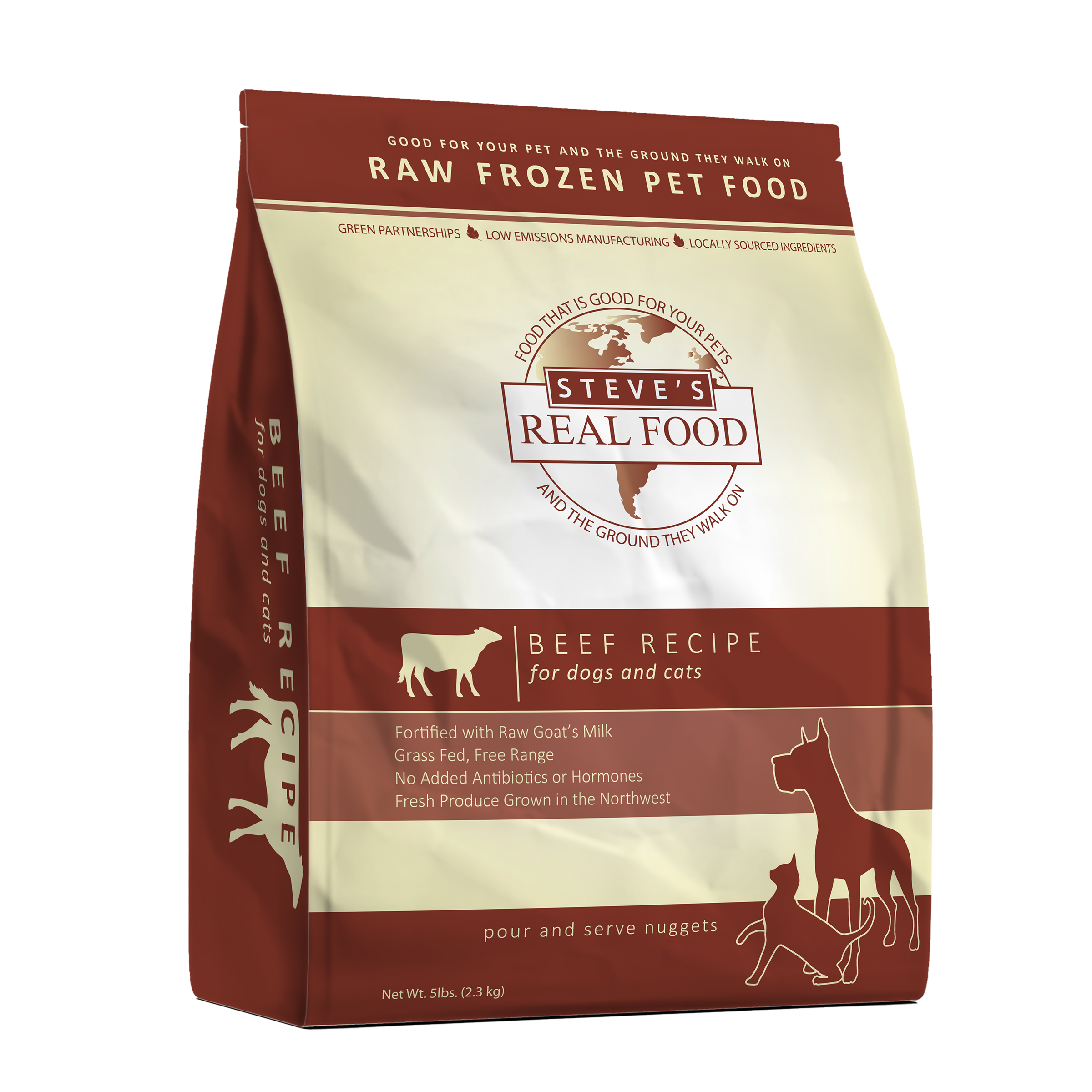 Frozen Raw Pet Food
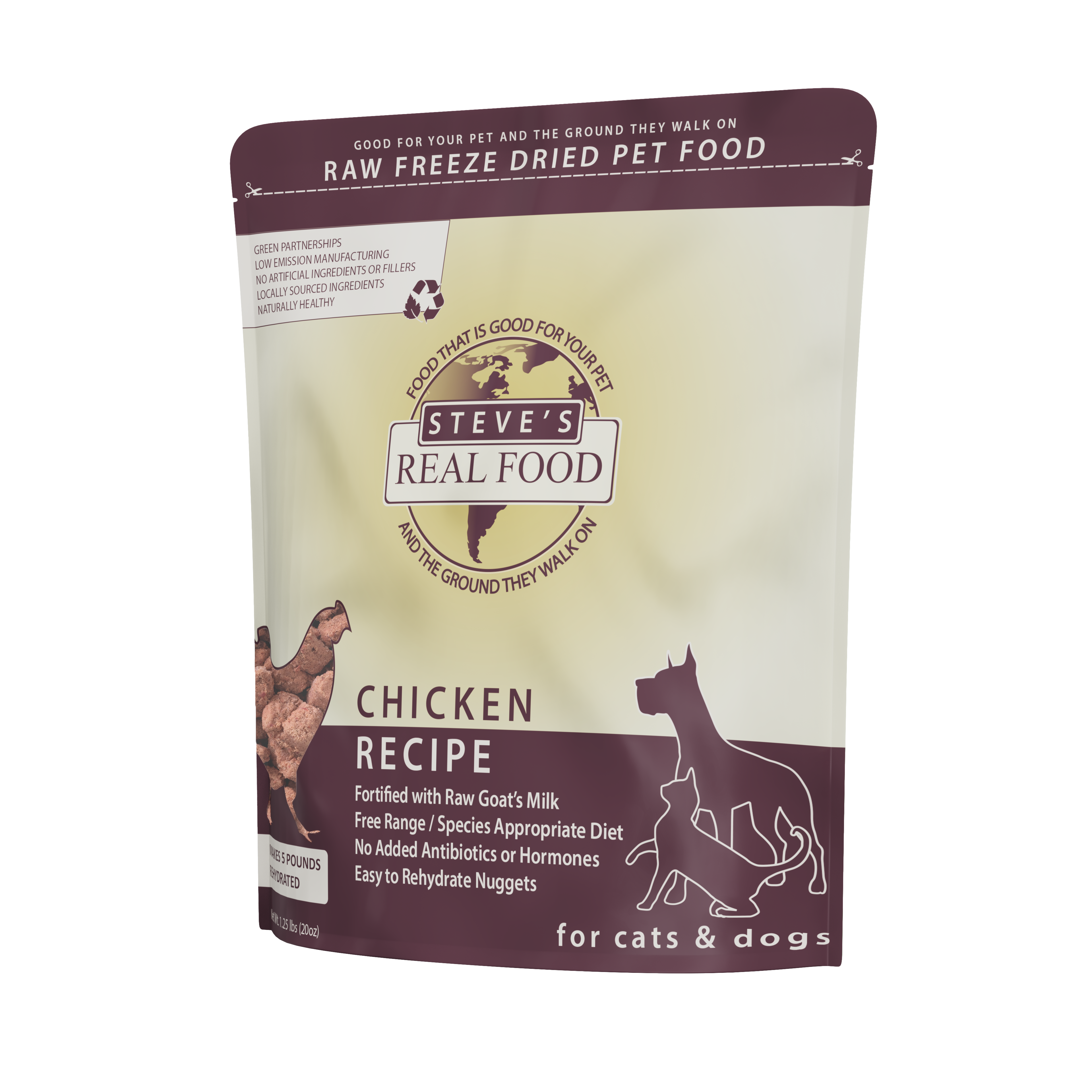 Freeze Dried Raw Pet Food
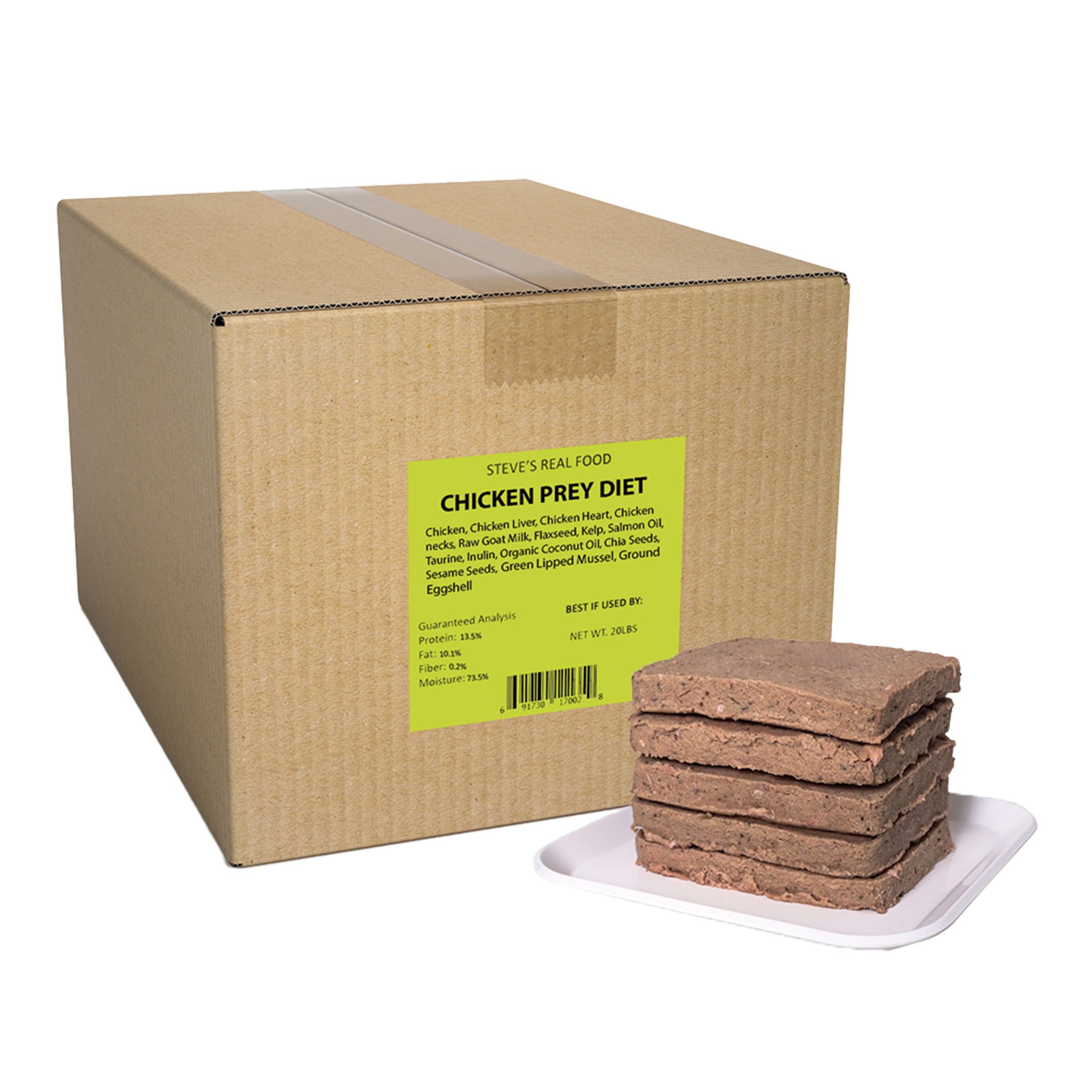 Frozen Prey Diet
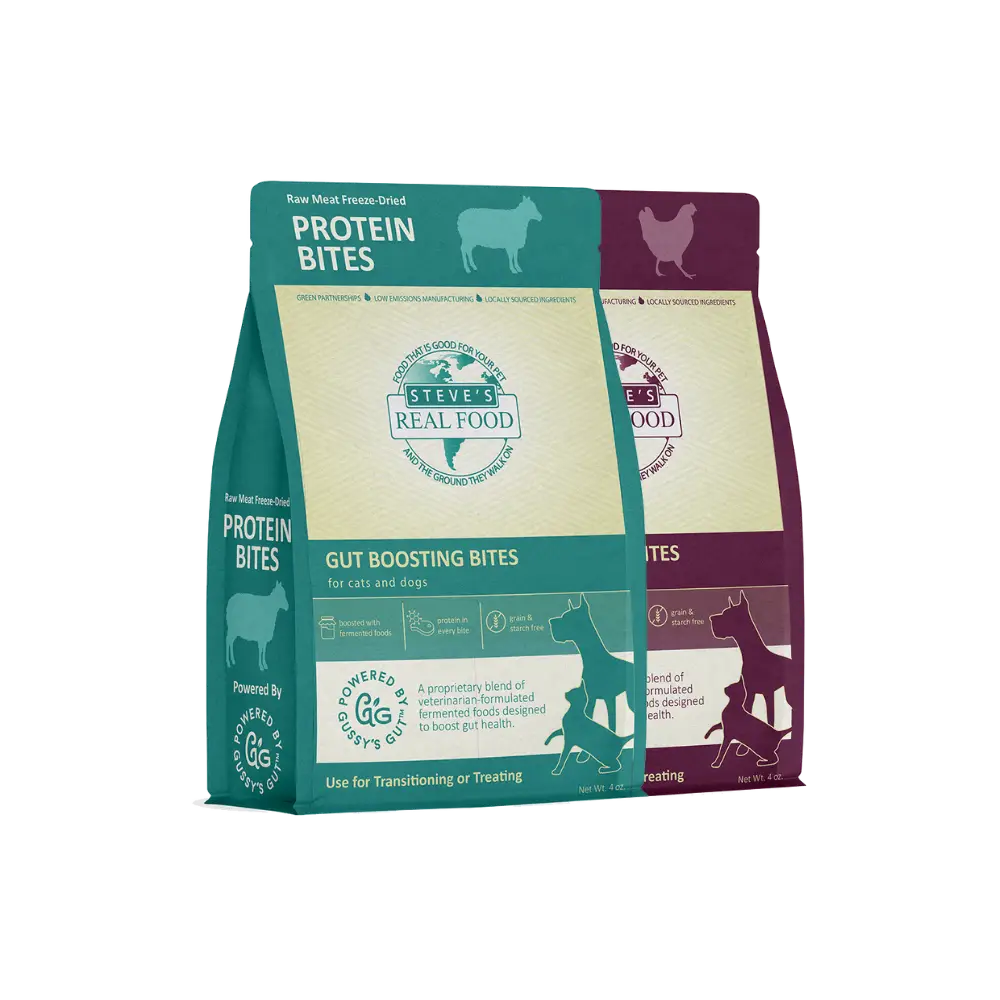 Freeze Dried Protein Bites
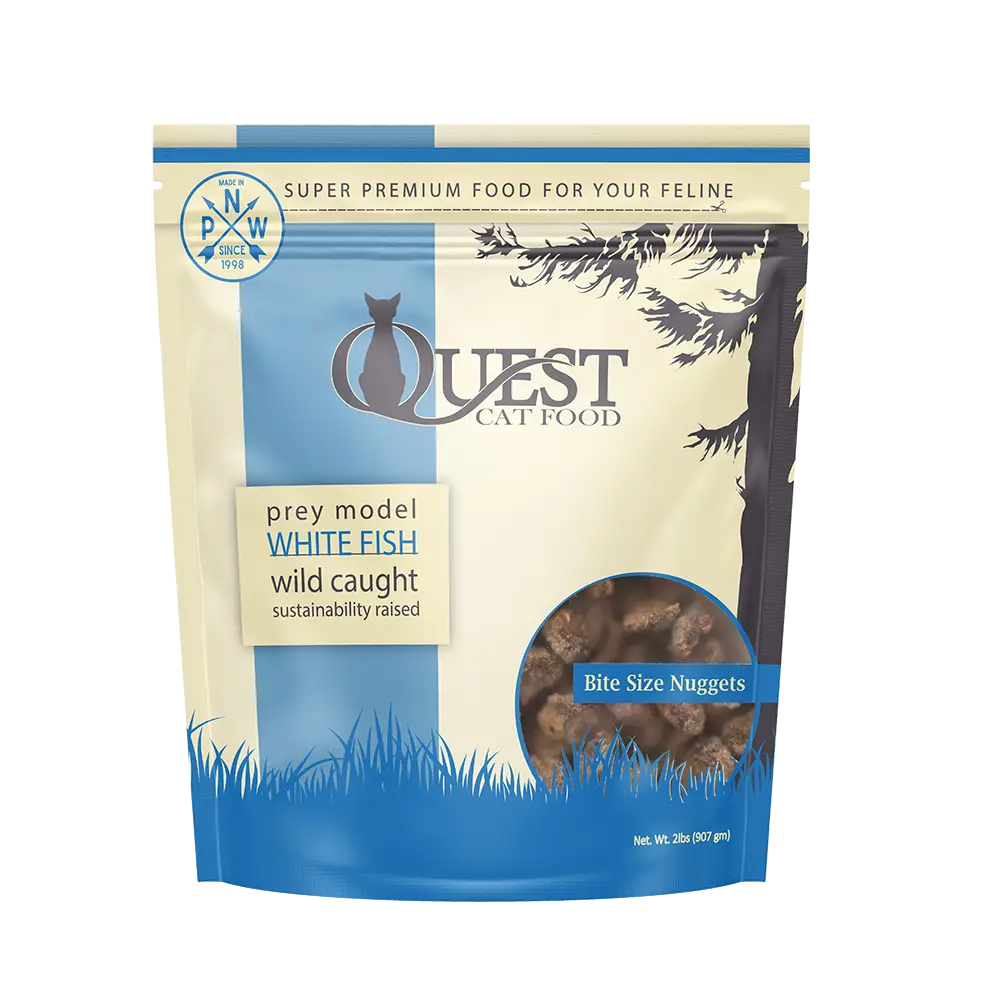 Frozen Quest
 Freeze Dried Quest
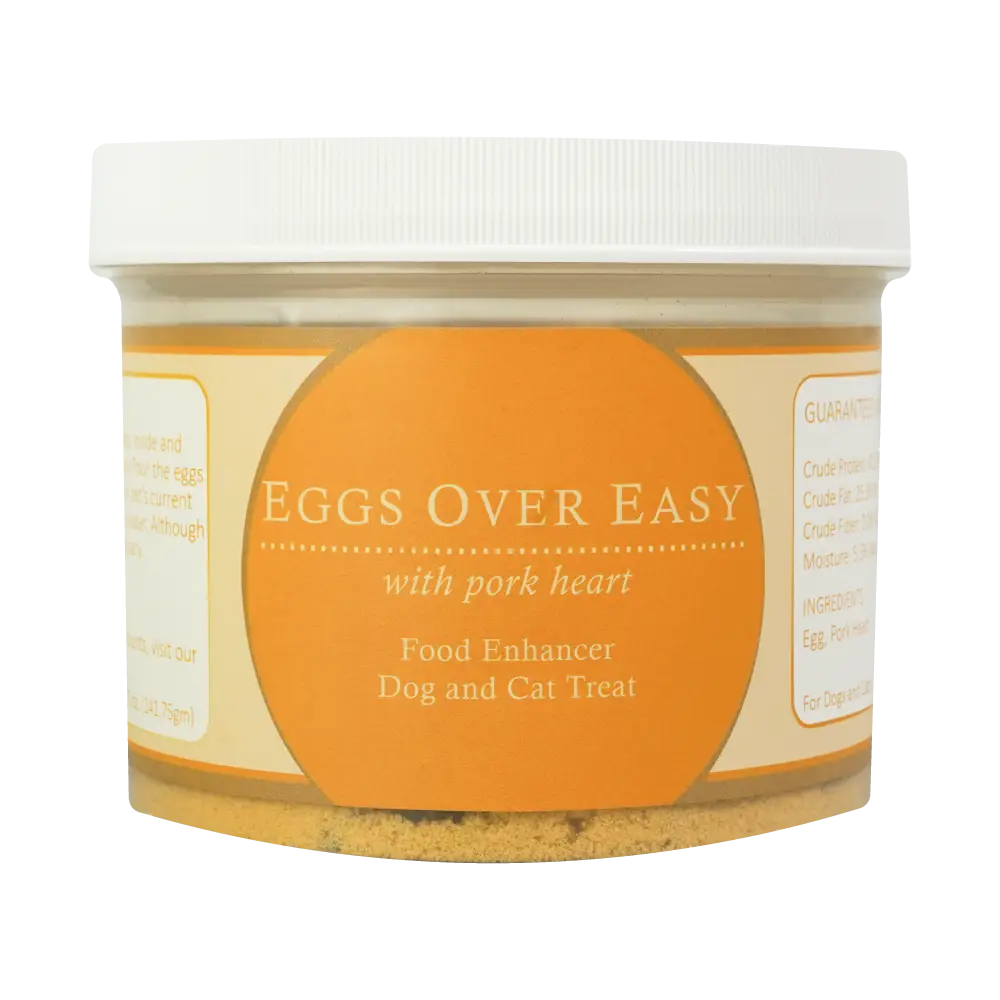 Eggs over Easy
 Steve's Merch










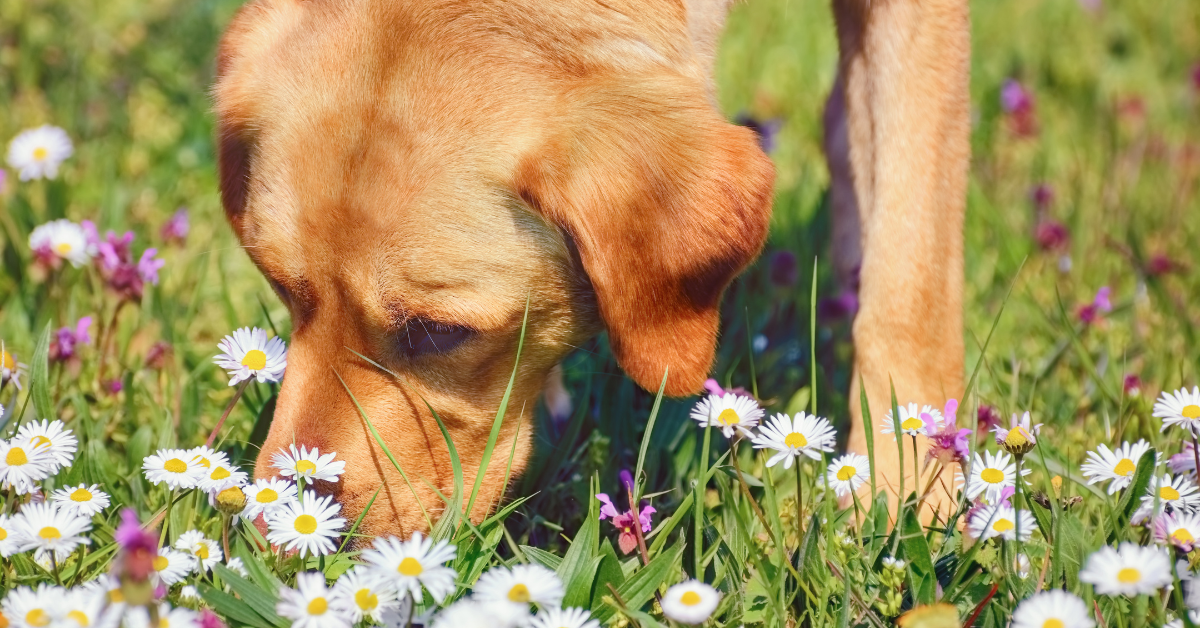
Seasonal allergies in dogs are common, especially in late spring and early summer when pollen counts rise. If your dog starts itching, chewing their paws, or shaking their head every year around the same time, the issue likely isn’t random.
The key to improving seasonal allergies is being proactive. Natural solutions take time because they work by addressing the root cause: immune imbalance. The earlier you begin supporting the immune system, the better the results.
What Are Seasonal Allergies?
An allergy is an overreaction of the immune system to something harmless, like pollen or dust.
The symptoms are defense responses meant to remove invaders. But when the immune system isn’t properly balanced, it reacts too aggressively.
Dog Seasonal Allergy Symptoms
- Paw chewing
- Redness between toes
- Skin irritation
- Hot spots
- Ear infections
- Excessive scratching
- Head shaking
- Red or watery eyes
- Sneezing
Symptoms are often worse in the morning (pollen counts are highest), on windy days, and during warm, dry seasons
So, how do you help your dog suffering from seasonal allergies? First, let’s go through some typical options that aren’t as effective in supporting your dog as you may think.
Dog Allergy Medications or Injections
Many medications used for allergies in dogs suppress the immune system to stop itching quickly. These can provide almost instant relief and do have a place in severe cases. While effective short term, they can create potential complications as immune suppression can increase infection risk and create rebound reactions when discontinued.
Medications and injections manage the symptom but don’t treat the cause, so they’re not a long-term solution.
Limited Ingredient Dog Food
When dealing with an allergic dog, you may consider a “limited ingredient diet”. It seems like a good idea to cut out all the extra stuff and feed a super simple diet. But these are actually the opposite. Limited ingredient diet formulas typically cut out all the actual food that the body is familiar with and replace it with man-made vitamins and minerals that your dog’s body may see as foreign invaders. Eating a diet of just lamb, chickpeas, and synthetic vitamins is not healthy in the long-run.
Dog Allergy Tests and Panels
Research has shown that allergy panels for pets typically aren’t very accurate or repeatable. A test this month may look different from a test later this year. Your dog’s body may not even be sensitive to the things flagged in the test as false positives are very common. While allergy tests can be a place to start, they shouldn’t be taken as a set-in-stone guide to things your dog should never eat again.
How to Support the Immune System for Long-Term Balance
Step 1: Balance the Gut
Improving gut health is the foundation of reducing a dog’s allergies, and this starts with food
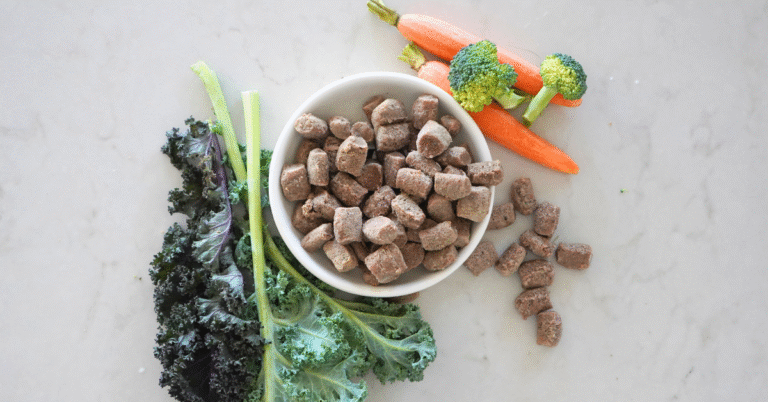
Overly processed diets cooked at high temperatures and preserved for long shelf life, like kibble, can stress the digestive system over time. Fresh, minimally processed, species-appropriate foods better support healthy microbes, natural detoxification, organ function, and overall immune balance.
There was a study done on Staffordshire Bull Terriers that showed they had a much better immune balance when they were switched to a raw food diet.
By reducing irritating compounds found in heavily processed diets (synthetic additives, preservatives, fillers, cheap ingredients, etc.) and feeding your dog a fresh diet of real food, you’re setting them up for long-term success.
Step 2: Support and Soothe
Restoring balance to your dog’s gut takes time, so there can be a need to provide more short-term support when symptoms flare. Here are some things that can help:
- Anti-itch or soothing shampoos and topical treatments can help quickly provide relief from allergy symptoms.
- Reishi mushrooms can help reduce allergy symptoms. They offer a whole list of health benefits and can be used year-round.
- Quercetin is a natural antioxidant and anti-inflammatory compound found in foods like broccoli, blueberries, and spinach. You can also purchase quercetin supplements for dogs that work as a gentle antihistamine, helping to reduce allergy symptoms.
- Fish oils or other supplements high in omega-3 fatty acids can be used year-round to help promote healthy skin and coat and provide anti-inflammatory support.
- Adding fermented foods to your dog’s diet like Protein Bites treats or raw goat milk help support and boost gut health with probiotics.
Step 3: Reduce Allergen Exposure
While you work on correcting the root cause, lowering your dog’s allergen load helps reduce immediate irritation. Small environmental adjustments can make a noticeable difference during peak pollen season.
Avoid heavy outdoor exercise on windy days when pollen and dust are circulating heavily. Since pollen counts are highest in the morning, keep early walks shorter and shift longer outings to later in the day. After walks, wipe your dog’s paws and coat with a damp towel to remove surface allergens. Indoors, improve air quality by changing furnace filters regularly, using high-quality air filters, and cleaning dust frequently. Wipe down surfaces, clean fans and vents, and wash your dog’s bedding regularly.
Support Your Dog’s Immune System Today
Seasonal allergies in dogs are driven by immune imbalance. Supporting gut health, reducing inflammation, and lowering allergen exposure creates more sustainable improvement than suppressing symptoms alone.
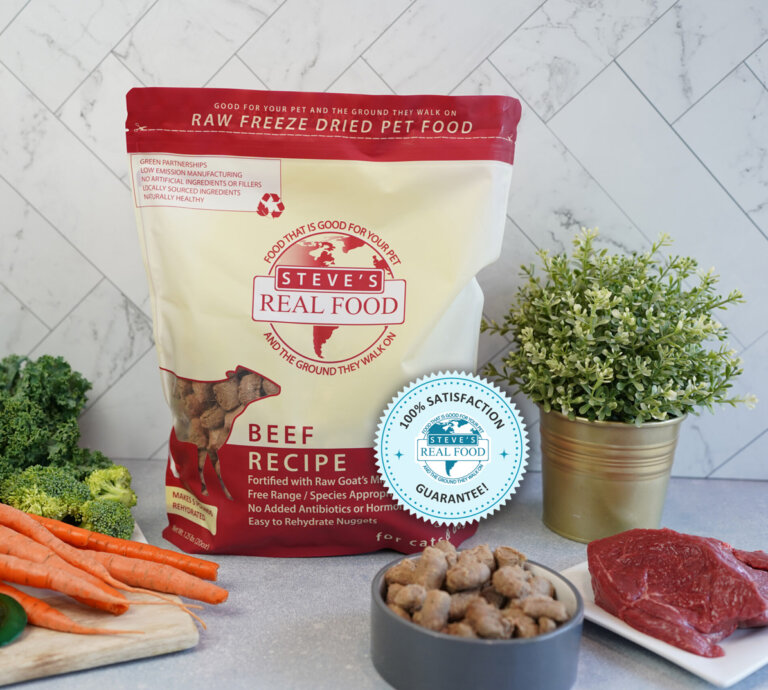
If you’re looking for a natural way to support your pet’s skin and immune health, Steve’s Real Food raw diets offer 100% whole food ingredients to feed your dog as nature intended. Find a local store near you or purchase Steve’s Real Food online.