Beef
Beef Chicken
 Whitefish
 Pork
Pork Lamb
Lamb Turkey
 Turducken
 All Protein
 Beef
Beef Chicken
 White Fish
 Pork
Pork Turkey
 Duck
Duck All Products
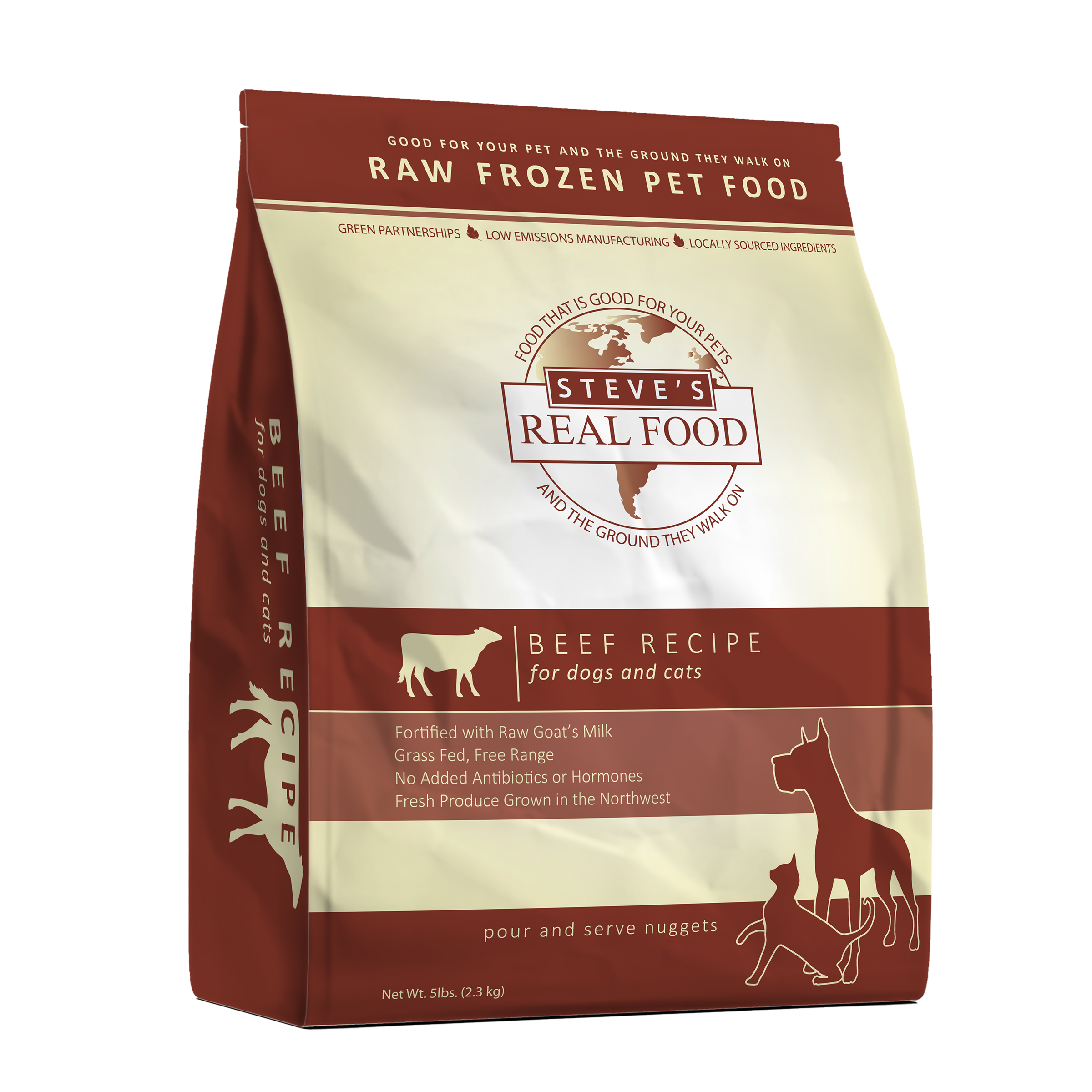 Frozen Raw Pet Food
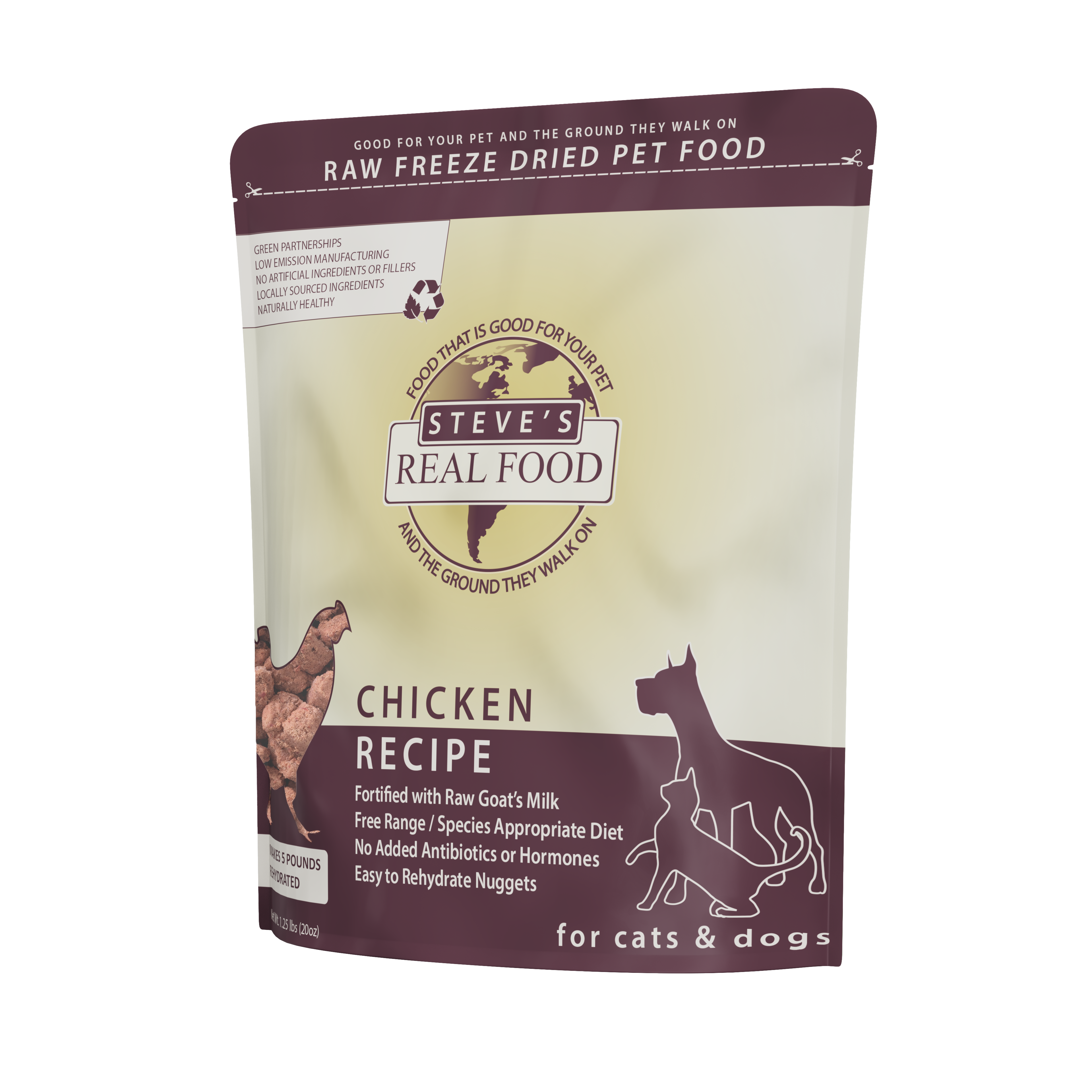 Freeze Dried Raw Pet Food
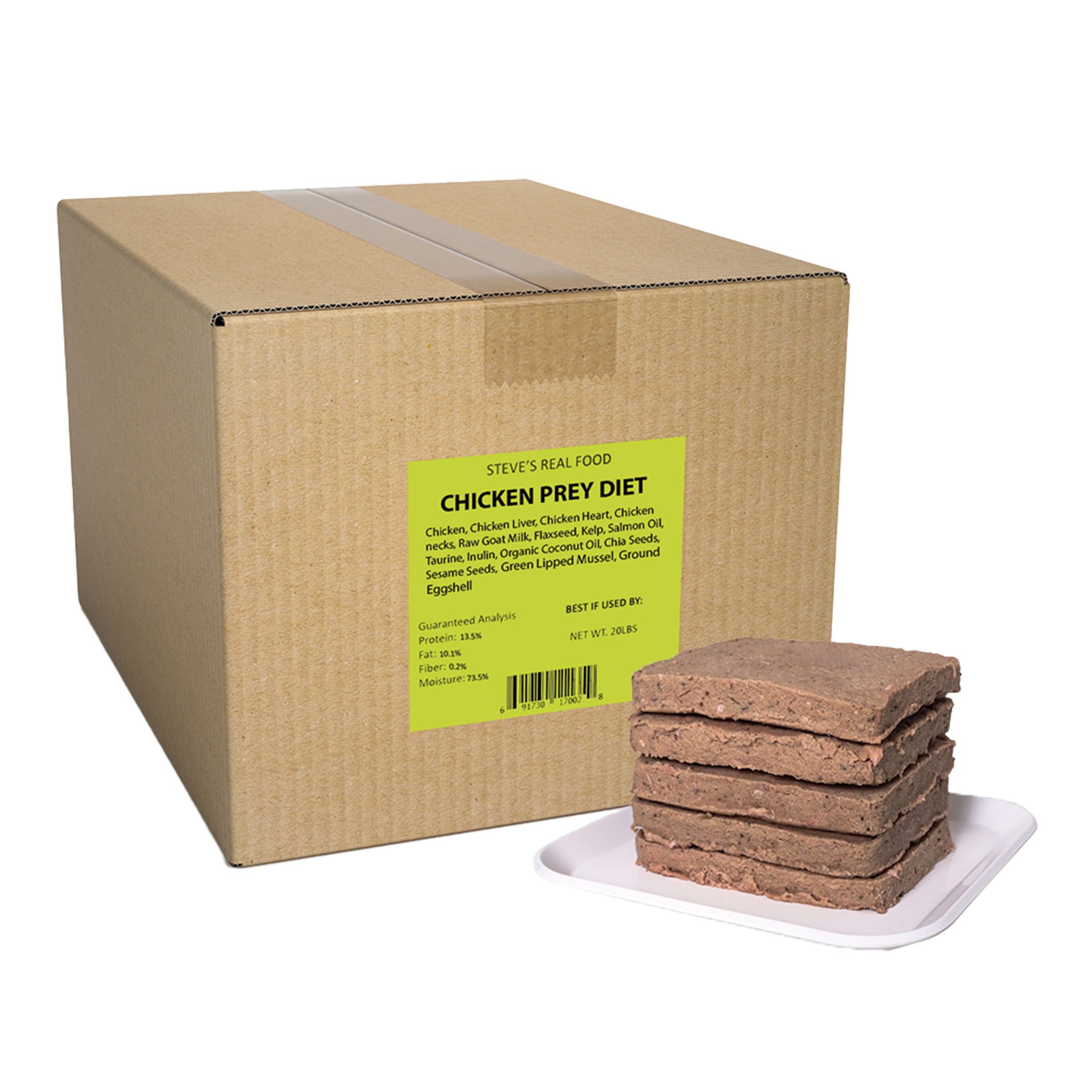 Frozen Prey Diet
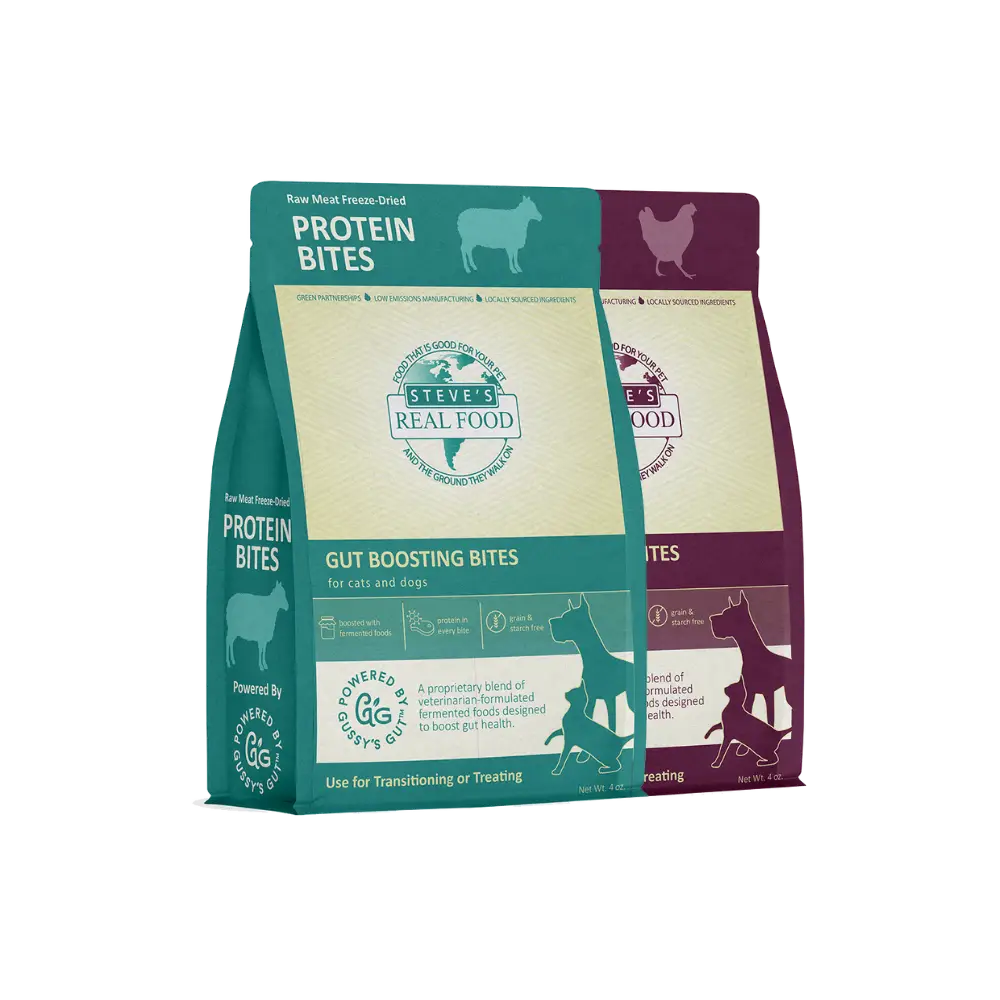 Freeze Dried Protein Bites
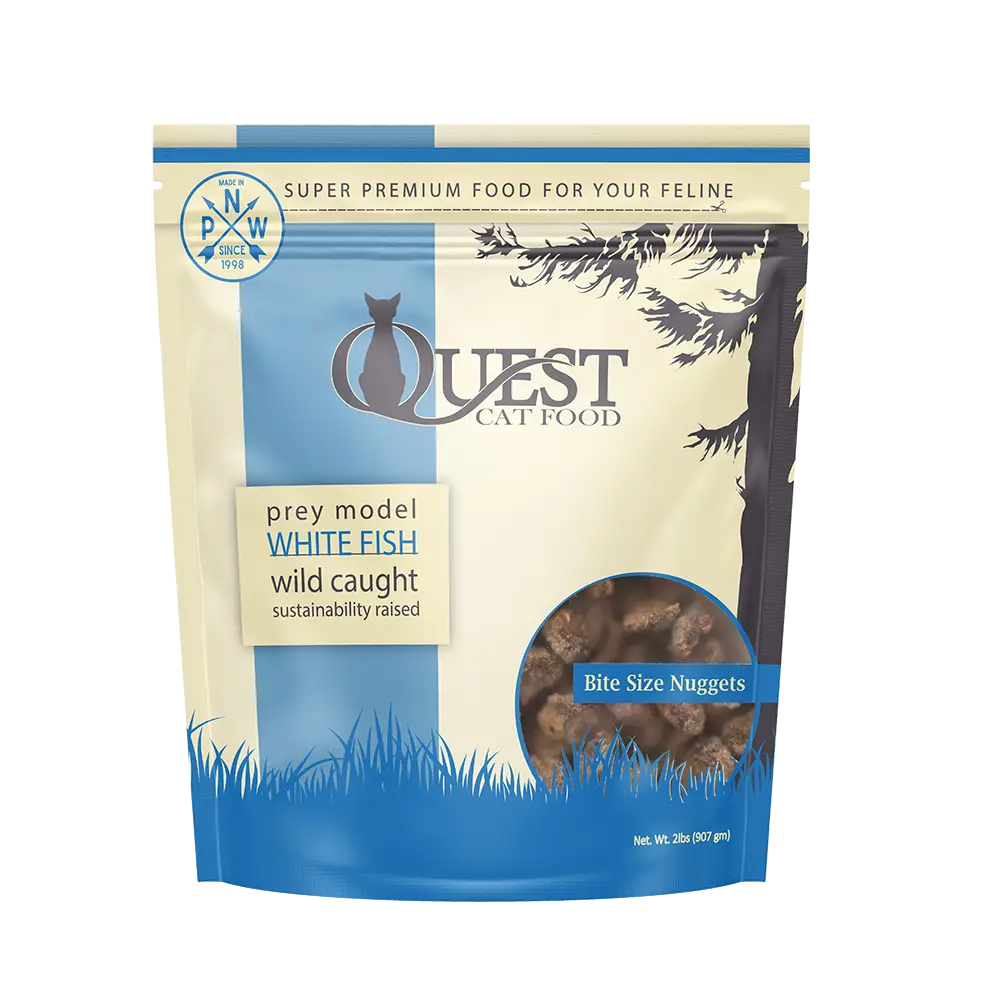 Frozen Quest
 Freeze Dried Quest
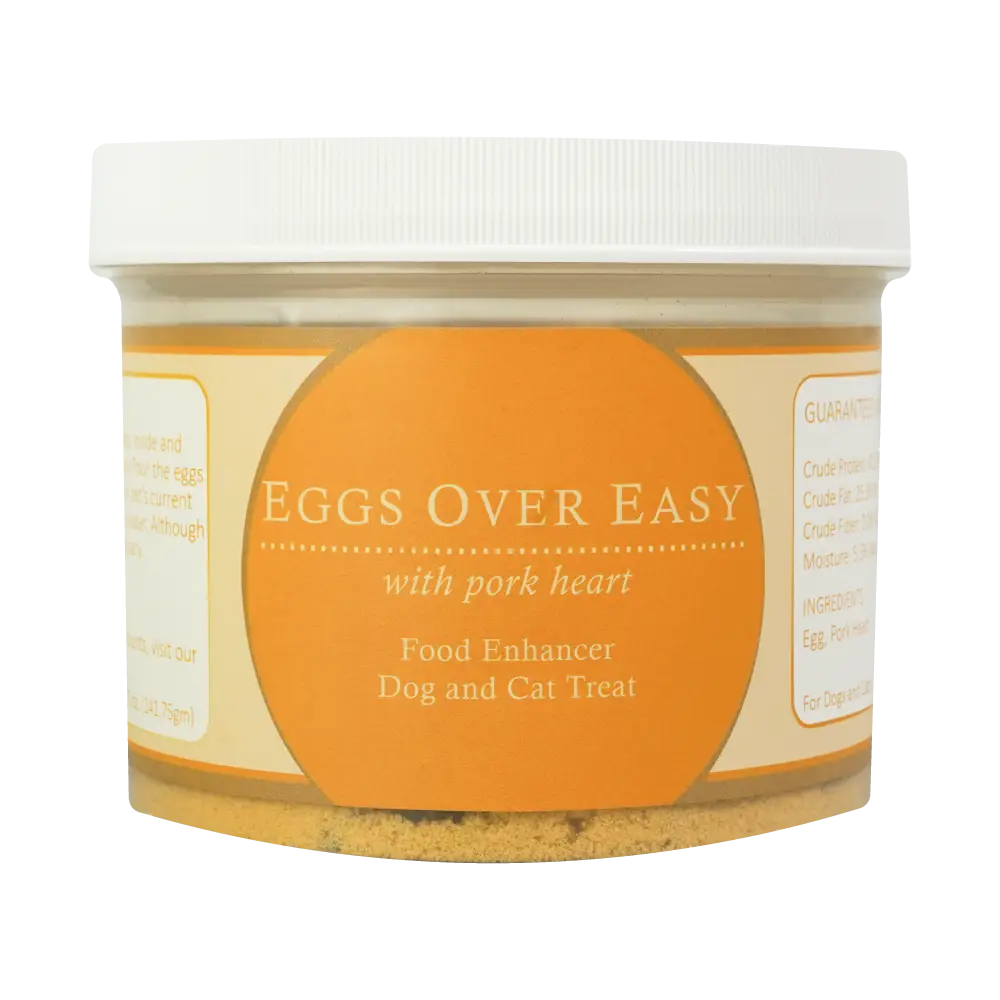 Eggs over Easy
 Steve's Merch








Gut health plays a bigger role in your dog’s overall wellness than many pet parents realize. When the digestive system becomes compromised, it can lead to a condition called “leaky gut” and the effects can show up far beyond the digestive tract.
Here’s what to know about leaky gut, including what causes it, how to spot it, and how diet can support recovery.
What is Leaky Gut Syndrome in Dogs?
Inside a healthy digestive system, the intestinal lining acts as a protective barrier. It allows nutrients to pass into the bloodstream while keeping harmful substances out, like toxins, bacteria, and undigested food particles.
With a leaky gut, that barrier becomes more permeable than it should be. It’s like a filter with holes that are too big. Instead of only letting in properly digested nutrients, it allows unwanted particles to “leak” into circulation.
This can trigger immune responses and chronic inflammation, which often impacts multiple systems in the body.
What Causes Leaky Gut in Dogs?
There’s no single cause of leaky gut syndrome in dogs. Instead, it’s usually the result of damage to the gut lining over time.
Some short-term (acute) causes include:
- Severe intestinal infections
- Exposure to toxins
- Physical trauma
- Medication overdoses
More commonly, leaky gut develops gradually due to ongoing stress on the digestive system, such as:
- Poor-quality or highly processed diets
- Imbalances in gut bacteria (microbiome disruption)
- Food allergies or sensitivities
- Long-term use of antibiotics or NSAIDs
- Environmental toxins or chronic stress
Over time, these factors can weaken the intestinal barrier and lead to inflammation that worsens the problem.
Leaky Gut and Food Intolerance
One of the most common ways leaky gut shows up is through food sensitivities.
When the gut lining is compromised, proteins from your dog’s food may pass into the bloodstream before they’re fully digested. The immune system sees these proteins as foreign invaders and responds aggressively.
This can lead to ongoing food intolerances, even to ingredients your dog has eaten for years without issue.
Symptoms of Leaky Gut in Dogs
Because the gut is closely tied to the immune system, the symptoms of leaky gut in dogs can vary widely. While digestive issues are common, many signs show up in other parts of the body. When the intestinal barrier isn’t functioning properly, inflammation doesn’t stay contained in the gut. It can spread throughout the body and impact different systems over time.
Digestive symptoms may include:
- Loose stools or diarrhea
- Gas and bloating
- Vomiting
- Weight loss
Whole-body symptoms can include:
- Itchy skin, hot spots, or chronic allergies
- Recurring ear infections
- Joint pain or stiffness
- Yeast overgrowth
- Low energy or fatigue
- Behavioral changes like anxiety or irritability
What to Feed a Dog with Leaky Gut
If you’re wondering what to feed a dog with a leaky gut, the goal is simple: reduce inflammation and support gut repair.
Start by avoiding common dietary stressors:
- Highly processed kibble
- Excess carbohydrates
- Low-quality proteins
- Artificial additives and preservatives
- Potential irritants like certain grains or legumes
Instead, focus on foods that are:
- Rich in high-quality animal protein
- Minimally processed
- Moisture-rich and easy to digest
- Made with simple, limited ingredients
The fewer unnecessary ingredients your dog consumes, the less strain on the digestive system.
How Raw Food Helps Support Gut Health
A raw, minimally processed diet can be a powerful tool for supporting dogs with gut issues.
Here’s why:
1. Easier to Digest
Raw food contains natural enzymes and nutrients in their most bioavailable form, making digestion more efficient and less taxing on the gut.
2. Supports a Healthy Microbiome
A balanced gut microbiome is essential for maintaining the intestinal barrier. Fresh, species-appropriate foods help promote beneficial bacteria.
3. Reduces Inflammatory Triggers
By eliminating fillers, artificial ingredients, and excessive carbohydrates, raw feeding helps reduce common sources of inflammation.
4. Supports Gut Repair Over Time
Consistent, high-quality nutrition gives the body the building blocks it needs to maintain and repair the gut lining.
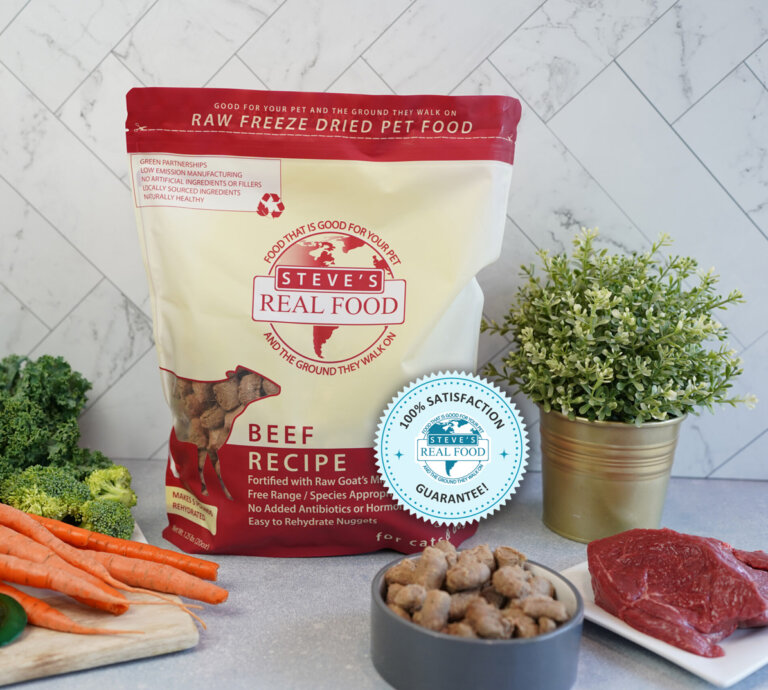
While diet alone isn’t an overnight fix, it plays a central role in long-term gut health and overall wellness. Our raw recipes are crafted from whole, unprocessed ingredients that naturally support a healthy gut. Because our food is minimally processed, it retains the beneficial bacteria and enzymes that make raw diets so valuable. We use purpose-driven ingredients to deliver essential nutrients (instead of synthetic vitamins) and support the microbiome, like raw goat milk, inulin (sourced from chicory root), coconut oil, and more.
Support Your Dog’s Digestion Today
Leaky gut in dogs is complex, but it’s also manageable with the right approach. By understanding the root causes and focusing on gut supporting nutrition, you can help reduce inflammation and support your dog’s overall health.
Ready to see the difference raw feeding can make? Find Steve’s Real Food at your local pet store or shop online!