Beef
Beef Chicken
 Whitefish
 Pork
Pork Lamb
Lamb Turkey
 Turducken
 All Protein
 Beef
Beef Chicken
 White Fish
 Pork
Pork Turkey
 Duck
Duck All Products
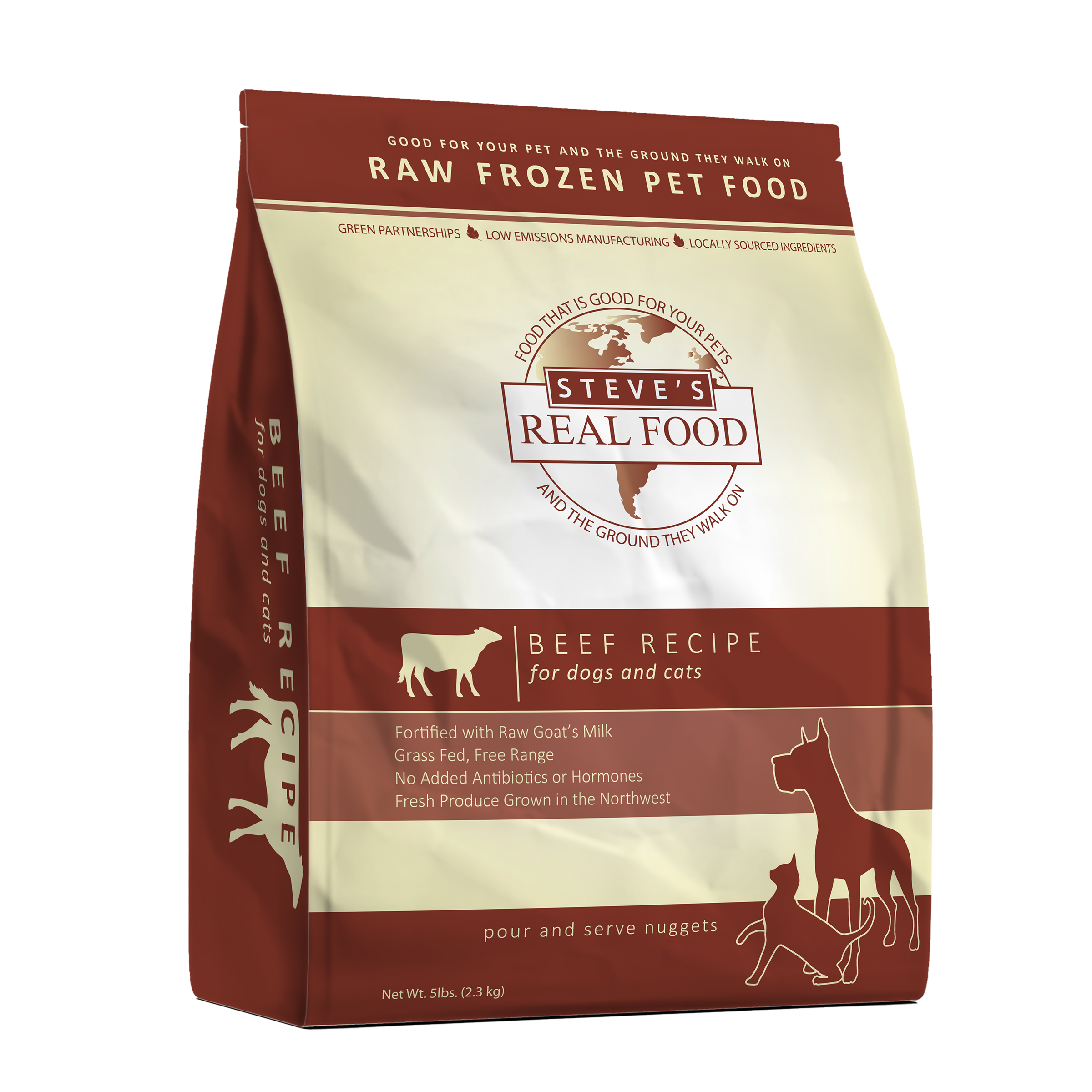 Frozen Raw Pet Food
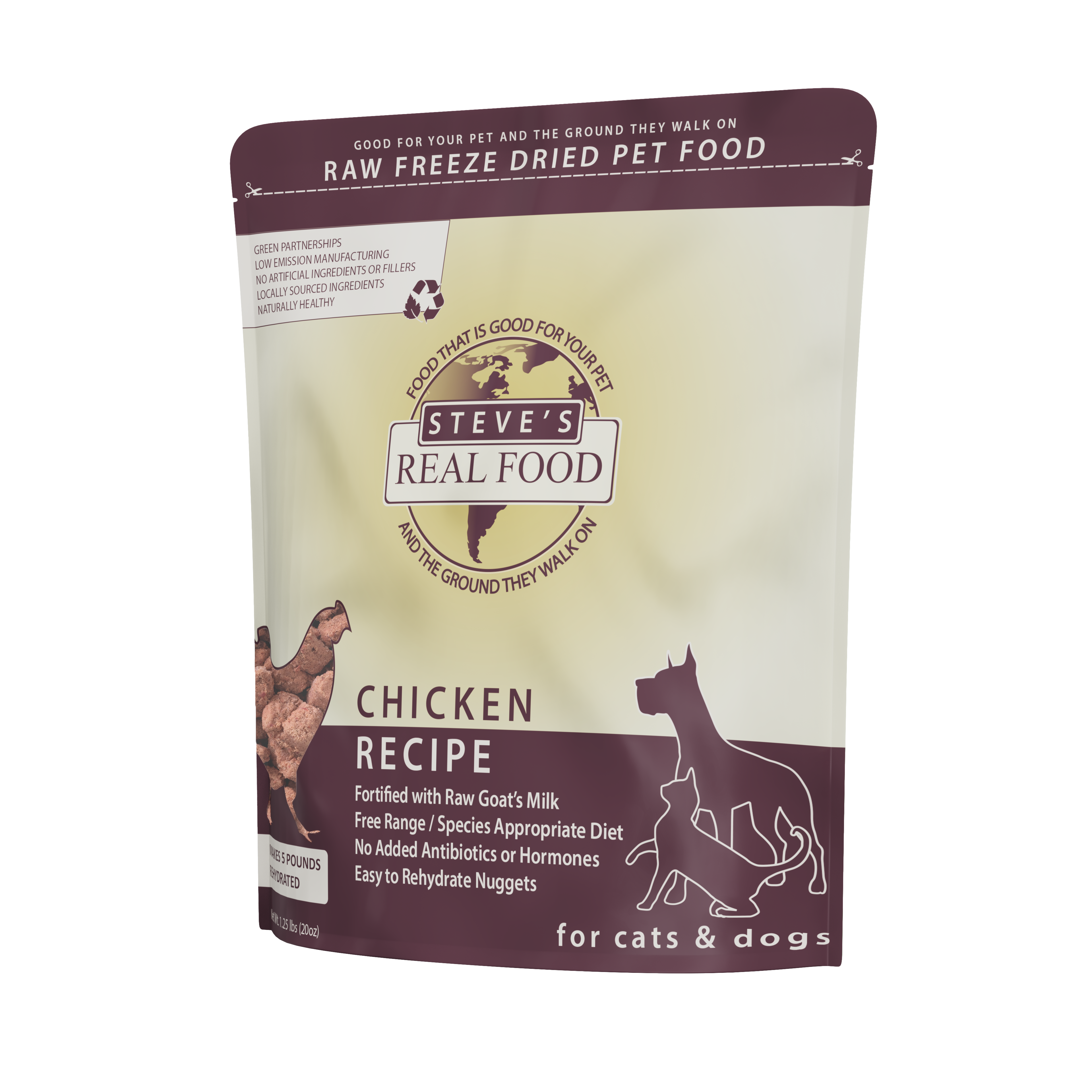 Freeze Dried Raw Pet Food
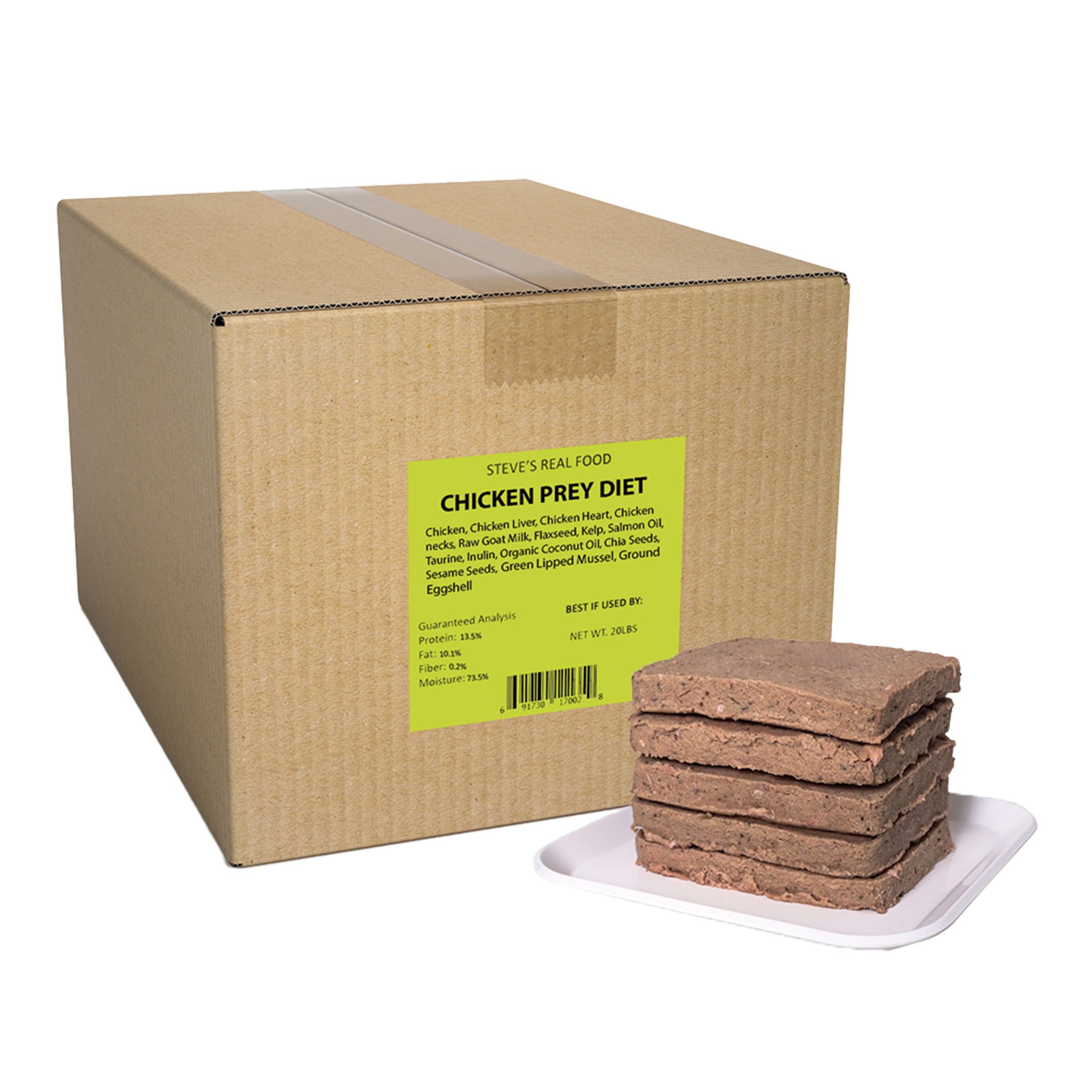 Frozen Prey Diet
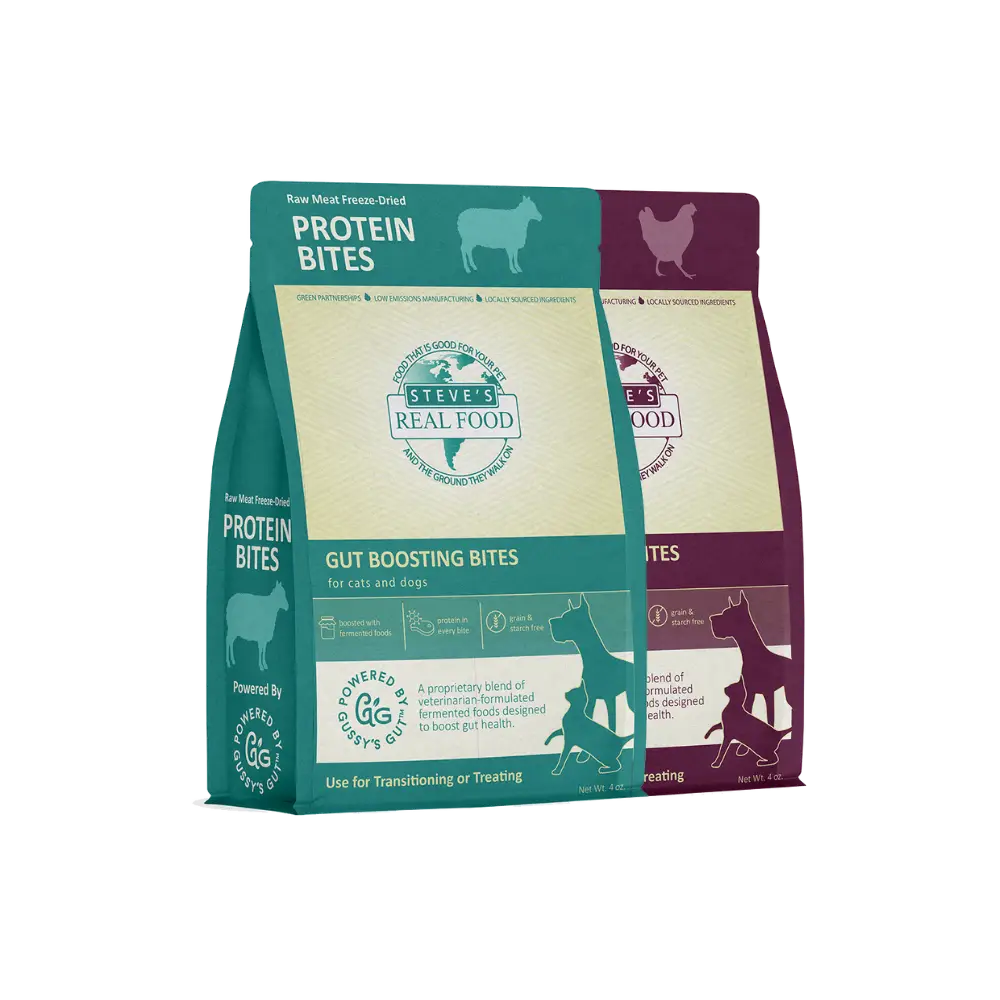 Freeze Dried Protein Bites
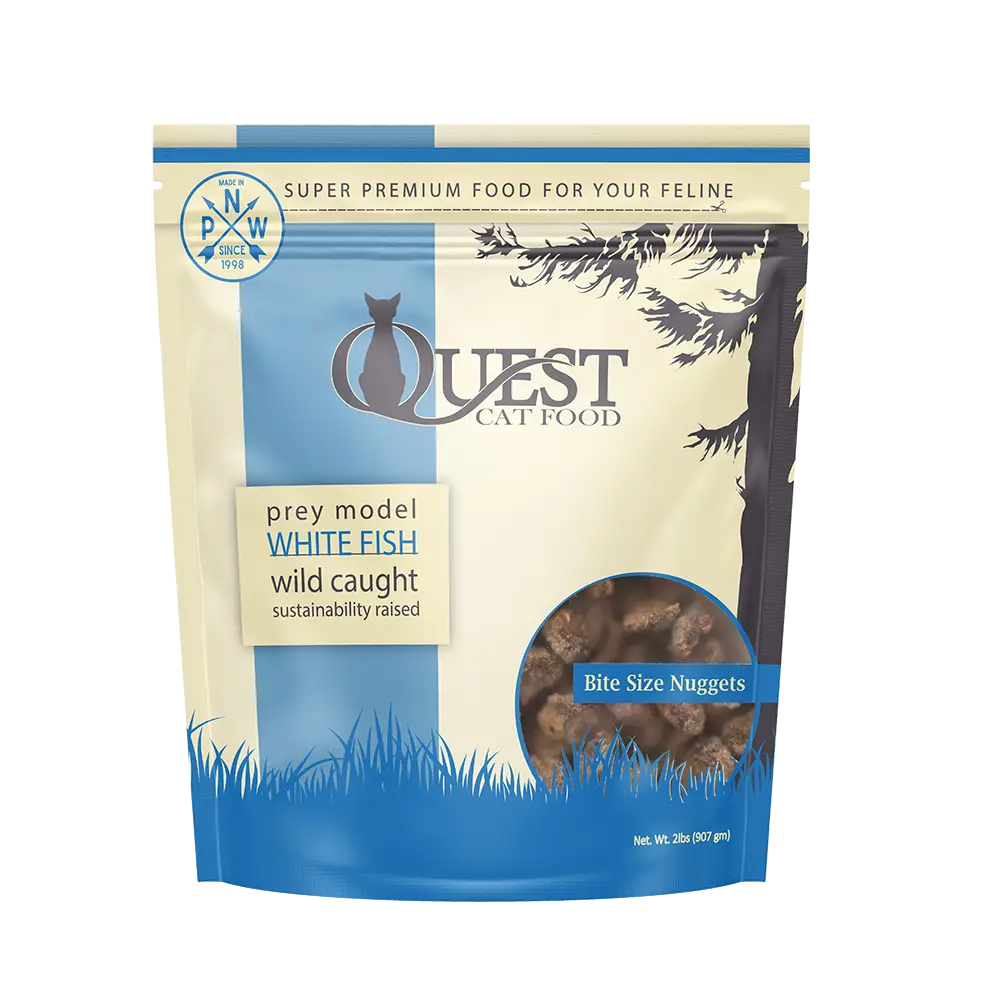 Frozen Quest
 Freeze Dried Quest
 Eggs over Easy
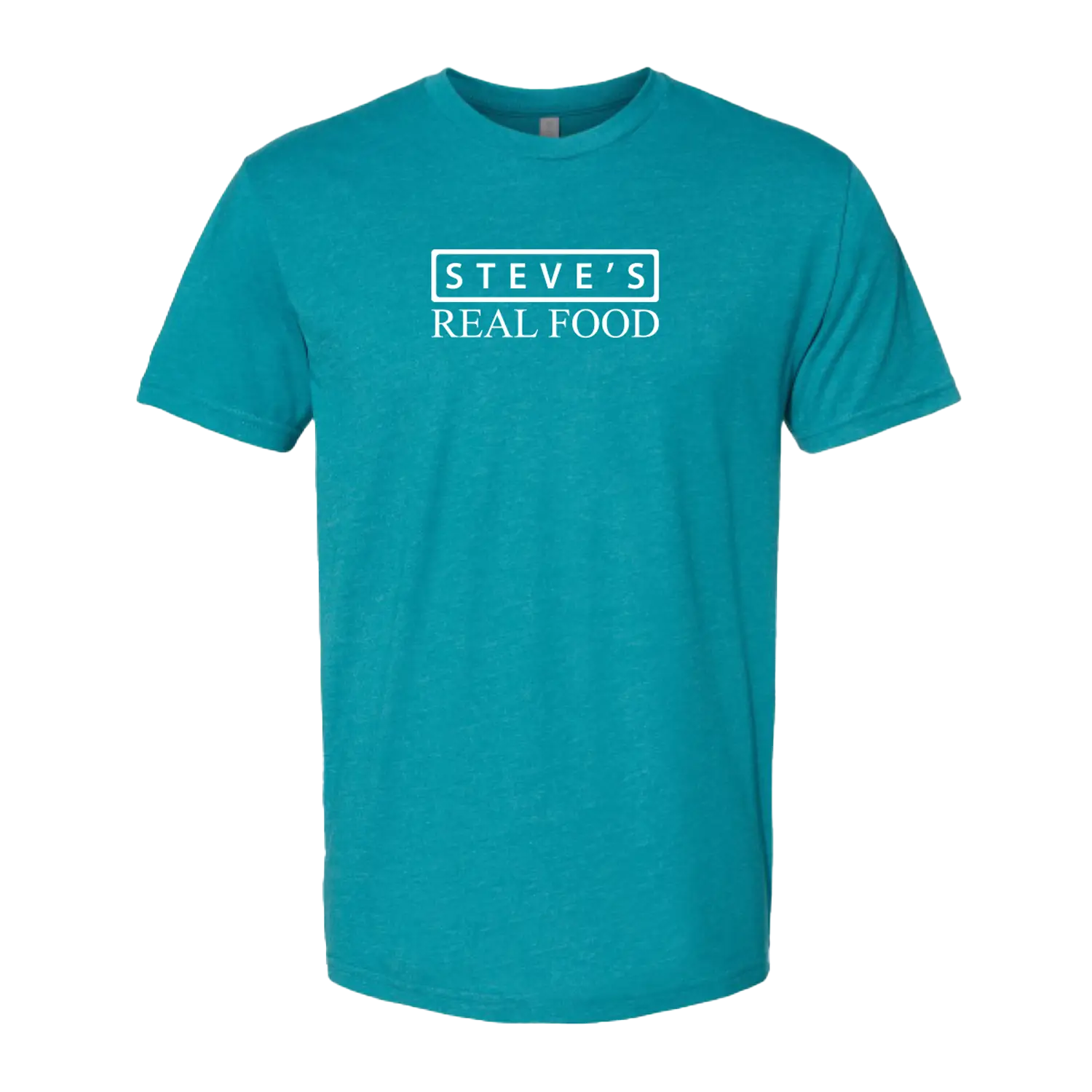 Steve's Merch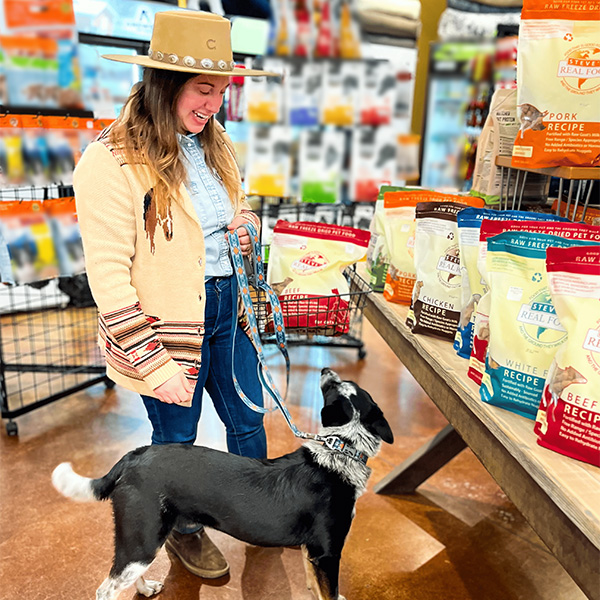









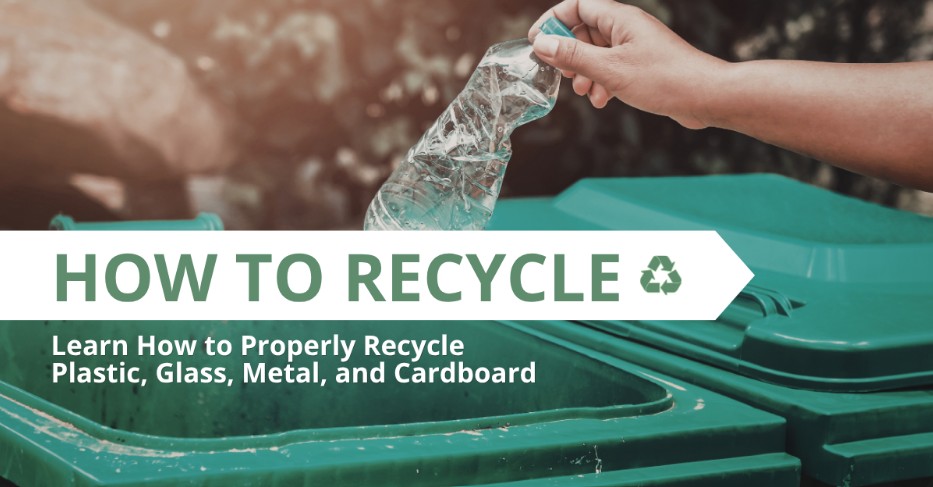
Recycling seems simple: just toss your items in the bin and move on. But in reality, recycling only works when the right materials are handled the right way. When the wrong items end up in the recycling stream, entire batches can be contaminated and sent to the landfill.
How to Recycle Plastic
Plastic is one of the most confusing materials to recycle because not all plastics are accepted. Those small numbers on packaging, called resin identification codes, determine whether an item can actually be processed.
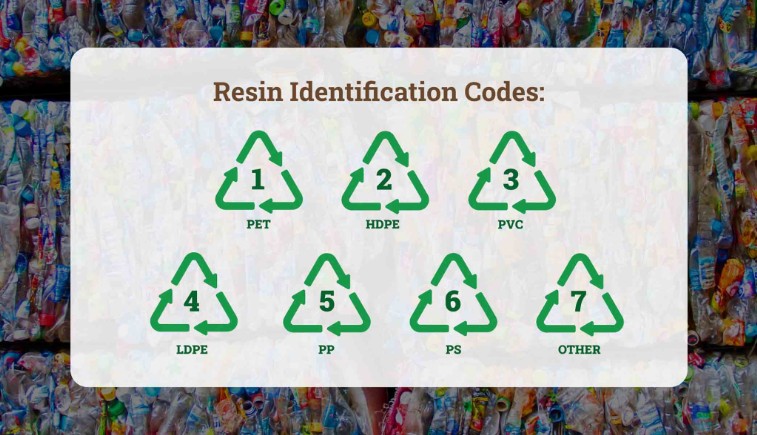
Understanding Recyclable Plastic Numbers
Some plastics are widely accepted, while others are rarely recyclable:
- #1 PETE (Polyethylene Terephthalate): Water bottles, soda bottles, peanut butter jars- widely recyclable
- #2 HDPE (High-Density Polyethylene): Milk jugs, shampoo bottles, cleaning containers- widely recyclable
- #3 PVC: Pipes and vinyl products- rarely accepted
- #4 LDPE: Grocery bags and plastic wrap- store drop-off only
- #5 PP (Polypropylene): Yogurt cups, bottle caps- increasingly accepted
- #6 PS (Polystyrene): Styrofoam and takeout containers- rarely accepted
- #7 Other: Mixed plastics- almost never accepted
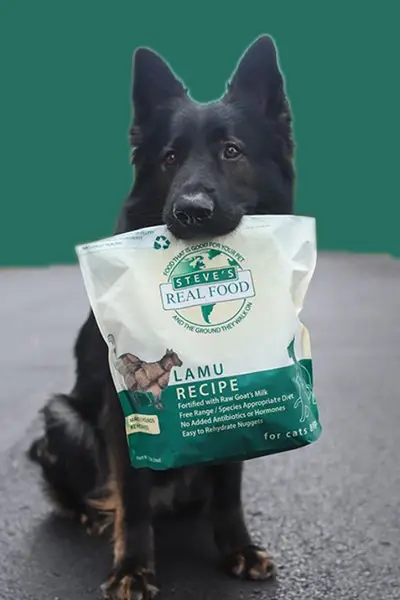
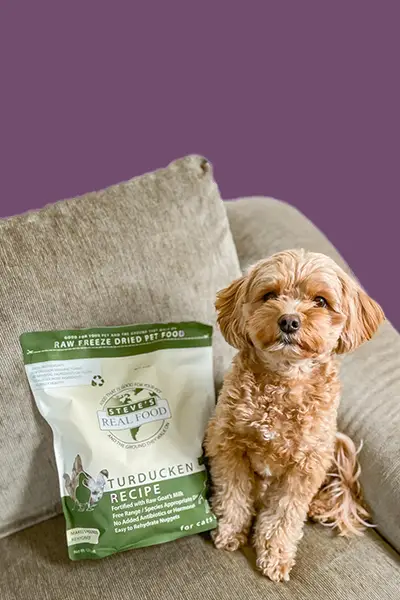
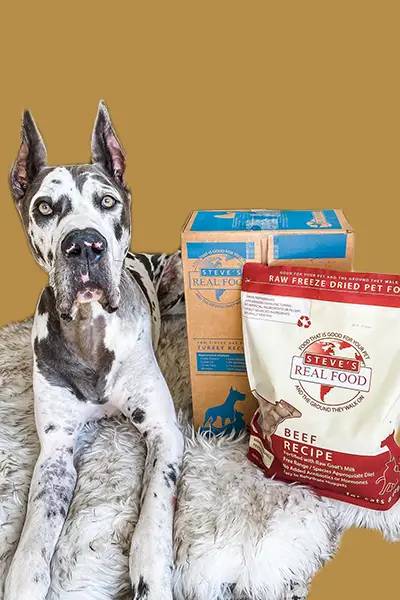
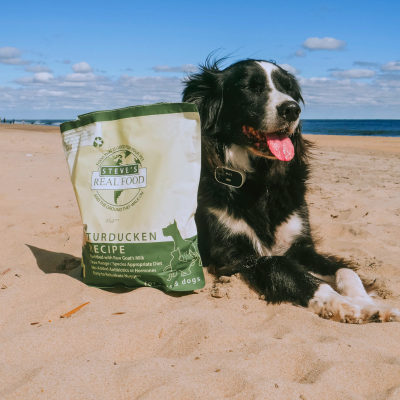
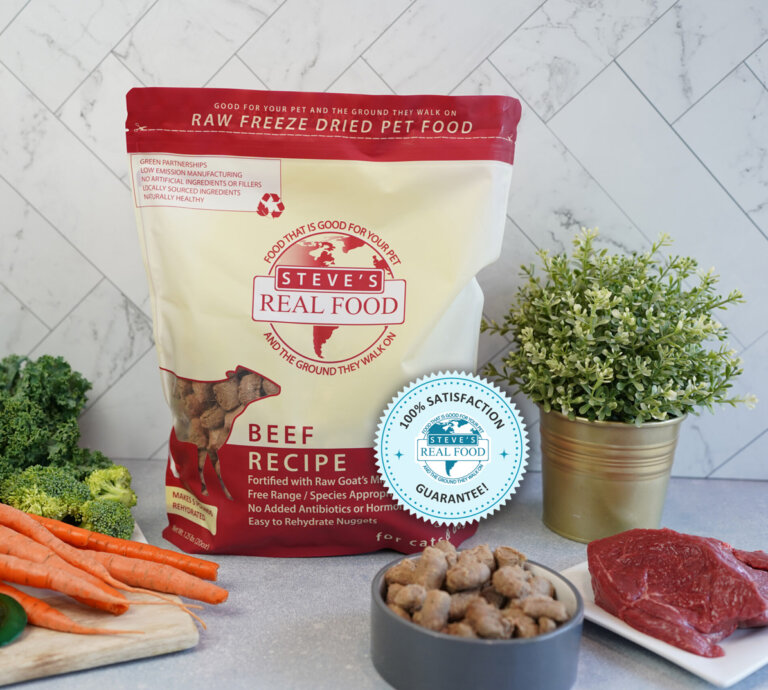
In most curbside programs, #1 and #2 plastics are recyclable, with #5 sometimes accepted depending on your location. #4 plastic, which is what Steve’s Real Food bags are made of, are easily recyclable at drop-off locations, which are often found in the entryways of major retailers like Walmart, Target, and Kroger.
How to Recycle Plastic Bottles
Recycling plastic bottles is simple. Always empty the bottle first, rinse it if there’s residue, and place the cap back on before putting it in your recycling bin.
How to Recycle Plastic Bags
Plastic bags are one of the most commonly misplaced items in recycling bins. They should never go in curbside recycling. Instead, they need to be collected separately and returned to the designated #4 plastic drop-off locations, usually found at grocery stores.
This extra step matters because plastic bags can get tangled in recycling machinery, creating safety hazards for workers and slowing down the entire process.
Plastic Recycling Tips
Stick to rigid plastics whenever possible, and avoid tossing in flexible materials like shrink wrap or zip-top bags. If you’re ever unsure whether something is recyclable, it’s better to leave it out. Contamination can prevent other materials from being recycled. As always, check with your local municipalities to see what can be recycled.
How to Recycle Cardboard
Cardboard is one of the easiest materials to recycle and one of the most valuable. Most curbside programs accept it, but preparation is key.
How to Recycle Cardboard Boxes
Before recycling cardboard boxes, remove any packing materials like plastic bags, bubble wrap, or packing peanuts. Once empty, flatten the box to save space in your bin. You don’t need to remove tape or labels, as those are filtered out during processing.
If a box is too large to fit in your recycling bin, it can usually be folded or cut down. Some programs allow you to place flattened boxes next to your bin for pickup, but it’s best to avoid doing this in wet weather since soaked cardboard often can’t be recycled.
If there are leftover food scraps on the cardboard, those sections should be removed before recycling. However, light grease stains (like those on a pizza box) are typically acceptable as long as no food remains stuck to the surface.
Recycled cardboard is often turned into new boxes or paperboard products, making it one of the most efficient materials to recycle.
How to Recycle Metal
Metal is one of the most recyclable materials out there because it can be reused indefinitely without losing quality.
How to Recycle Cans
Aluminum and tin cans are widely accepted in curbside recycling programs. They should be emptied, rinsed, and kept dry before being placed in the bin. While it might seem helpful to crush cans, many recycling facilities actually prefer them intact because they’re easier to sort and process that way.
How to Recycle Aerosol Cans
Aerosol cans can also be recycled, but only if they are completely empty. Once empty, they can go directly into your curbside recycling along with other metal items.
Other Recyclable Metal Items
Some additional metal items can also be recycled, as long as they’re clean and small enough to process:
- Aluminum foil
- Disposable baking trays or takeout tins
- Small metal containers like mint tins
Larger metal items, electronics, batteries, and paint cans should not go in your recycling bin and instead require special disposal.
How to Recycle Glass
Glass is highly recyclable and can be reused repeatedly, but it must be sorted correctly.
How to Recycle Glass Bottles
To recycle glass bottles and jars, rinse out any remaining food or liquid and remove the lids. Metal lids can usually be recycled separately. Once clean, glass can be placed in your curbside bin or taken to a local drop-off center, depending on your area.
What Glass Can and Cannot Be Recycled
Most programs accept glass bottles and jars of all colors. However, items like mirrors, windows, and light bulbs are not recyclable through standard curbside programs because they are made differently and require specialized processing.
Common Recycling Mistakes to Avoid
Even small mistakes can prevent materials from being recycled. Some of the most common issues include putting plastic bags in curbside bins, recycling containers that still have food residue, and including plastics that aren’t accepted locally.
Another common mistake is guessing. Recycling rules vary by location, so always check with your local recycling. When in doubt, it’s better to leave an item out than risk contaminating the entire bin.
Start Recycling Today!
Recycling isn’t just tossing things into a bin. Materials need to be sorted correctly so they can actually be reused. Small actions, like rinsing containers or separating plastic bags, can have a big impact.
At Steve’s Real Food, sustainability is a core value in everything we do. From sourcing to packaging, we’re always working to reduce our environmental footprint. Our packaging is designed to be recyclable so you can feel good knowing that feeding your pet high-quality food can also support a more sustainable future.
Find Steve’s Real Food at your local pet store or shop online.