Beef
Beef Chicken
 Whitefish
 Pork
Pork Lamb
Lamb Turkey
 Turducken
 All Protein
 Beef
Beef Chicken
 White Fish
 Pork
Pork Turkey
 Duck
Duck All Products
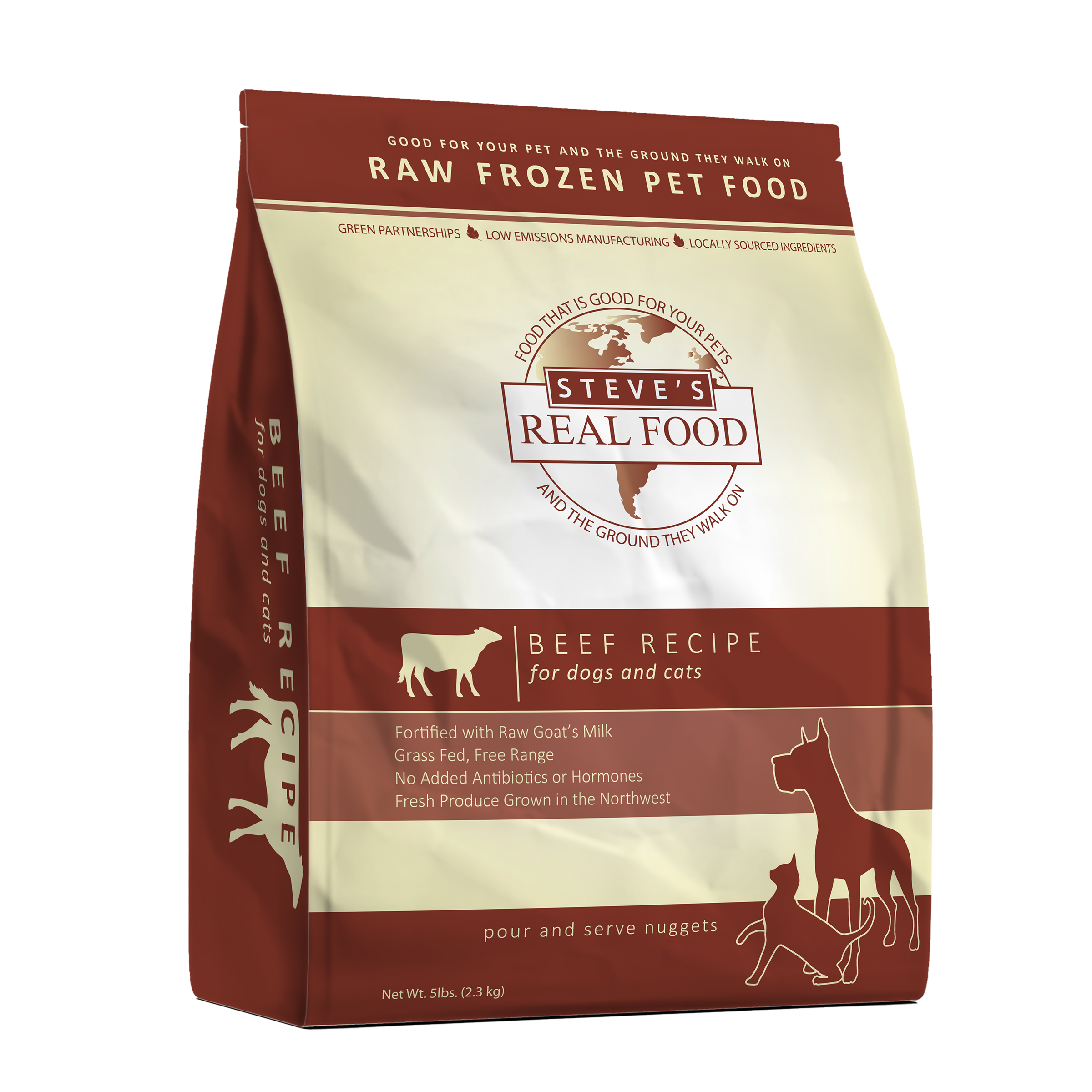 Frozen Raw Food
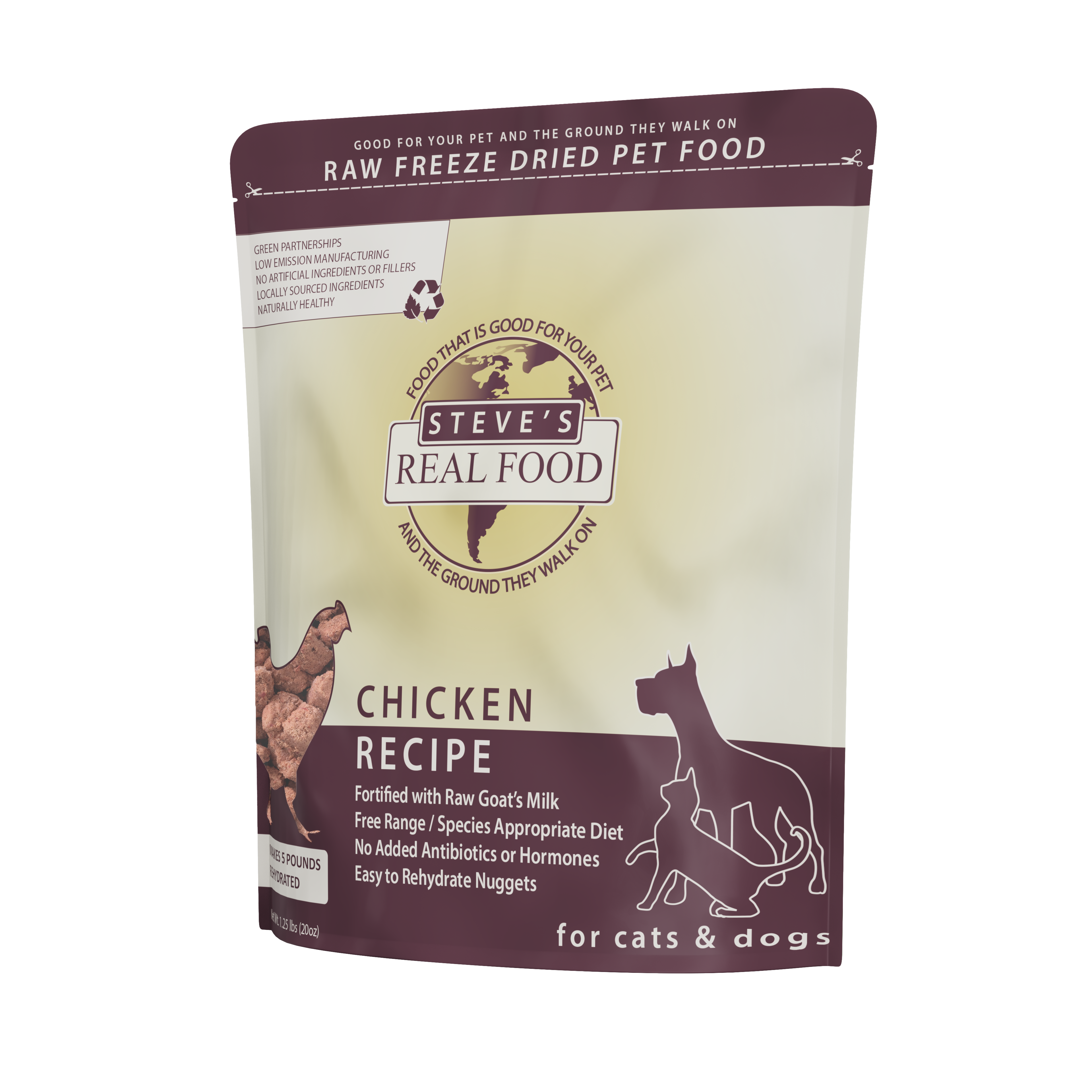 Freeze Dried Raw Food
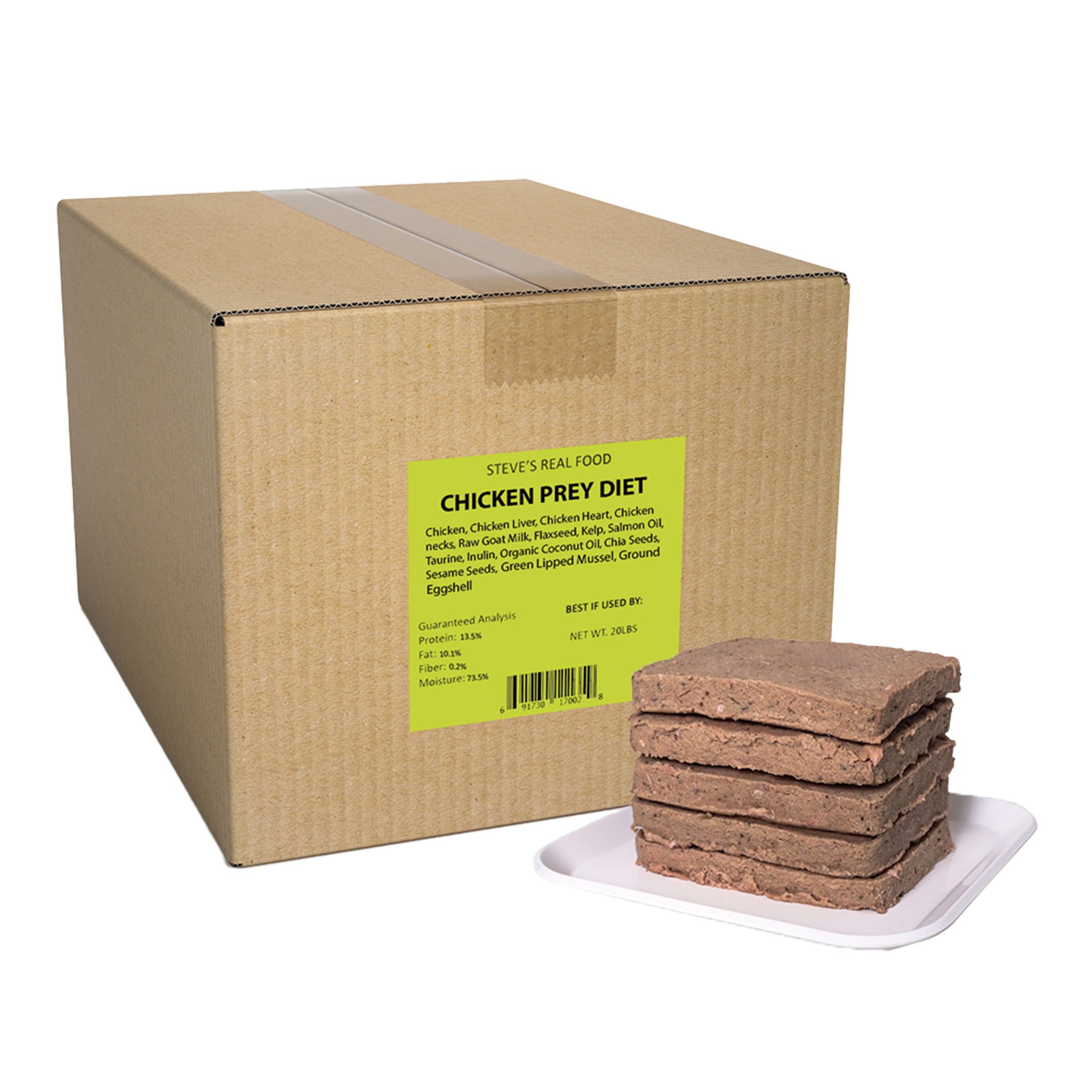 Frozen Prey Diet
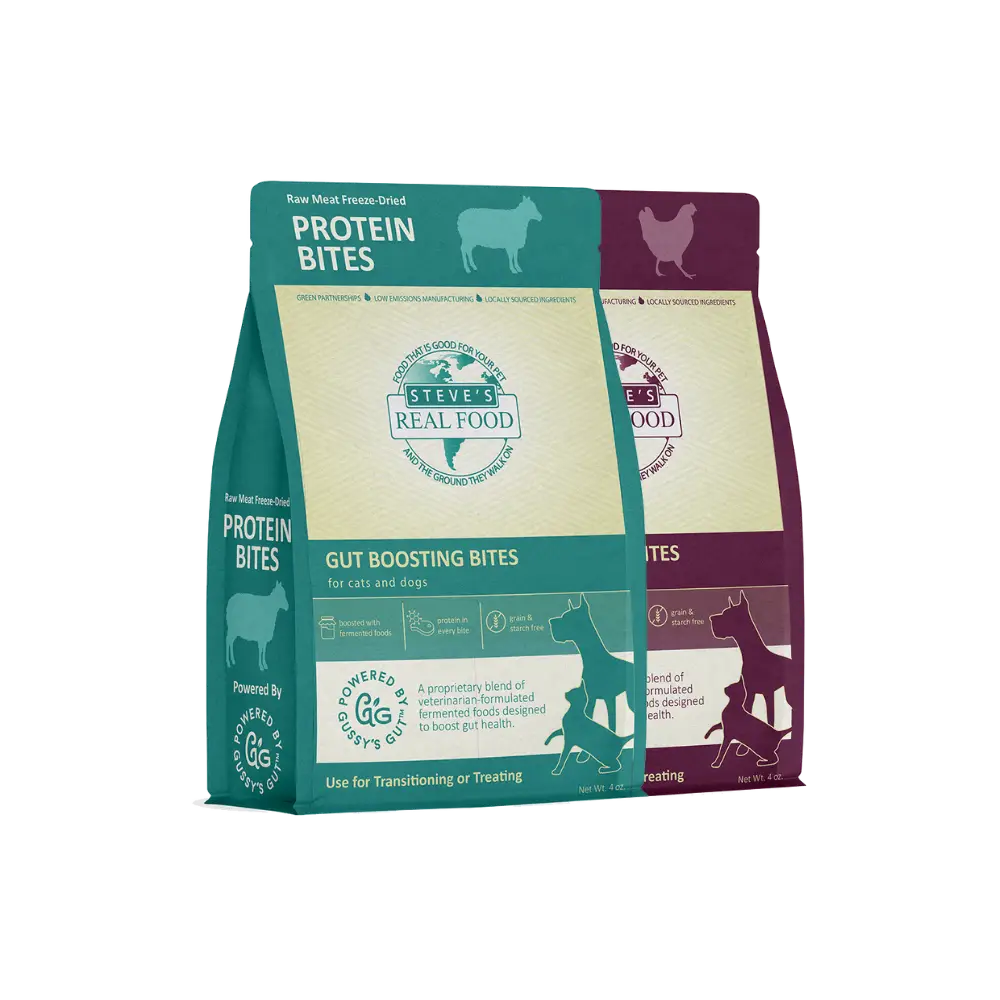 Freeze Dried Protein Bites
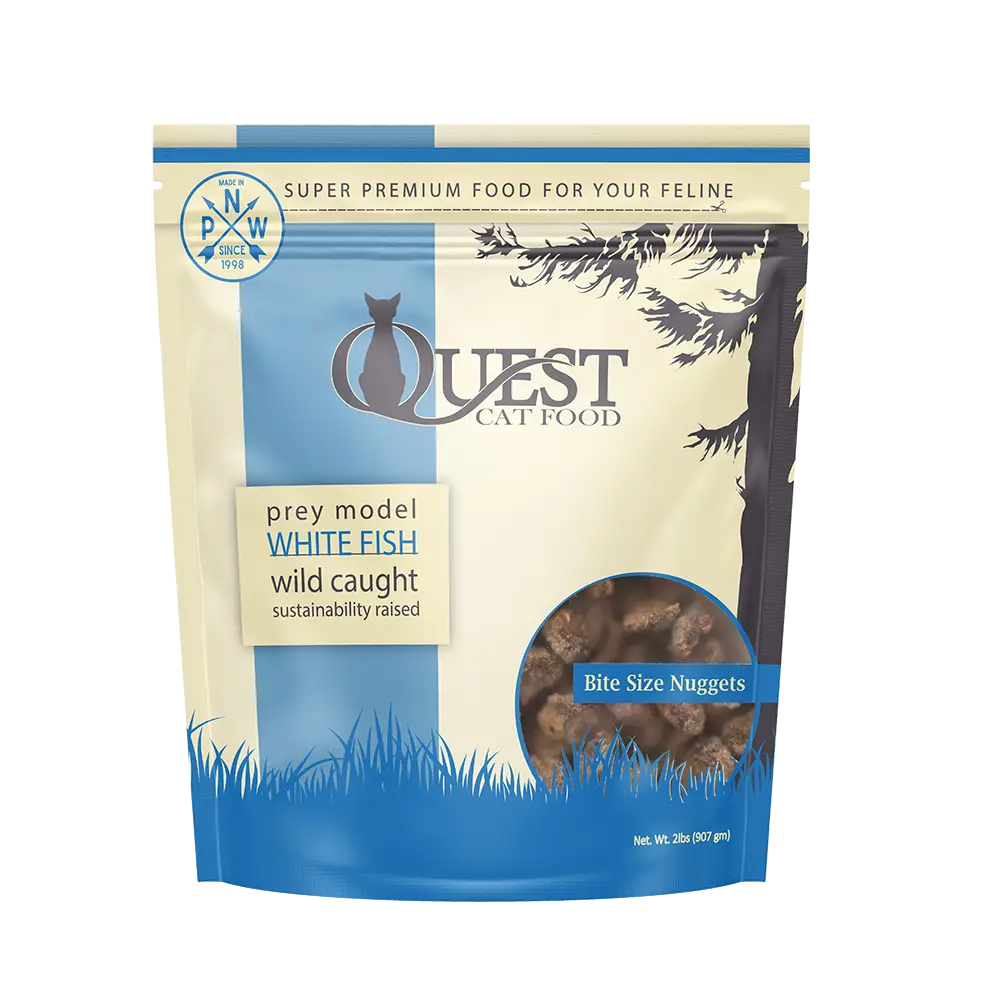 Frozen Raw Quest
 Freeze Dried Raw Quest
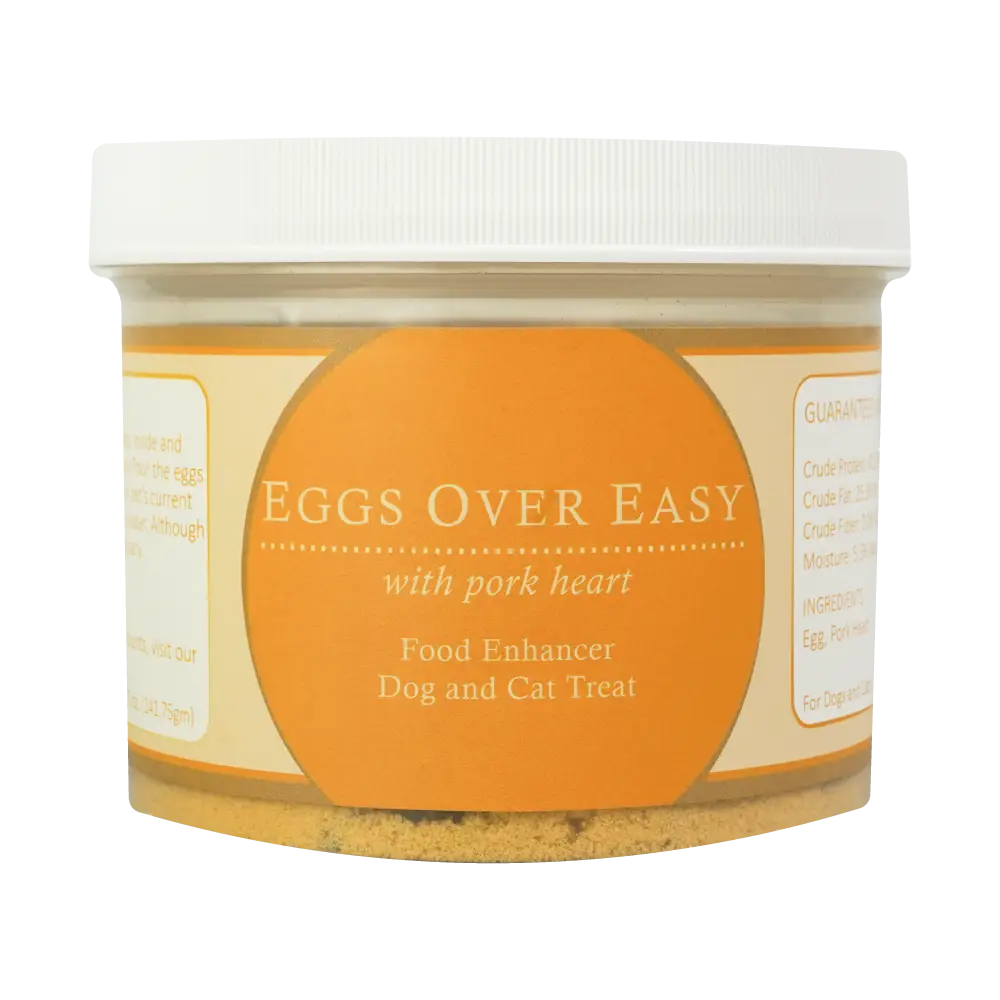 Eggs over Easy
 Steve's Merch







What is the Pet Microbiome?
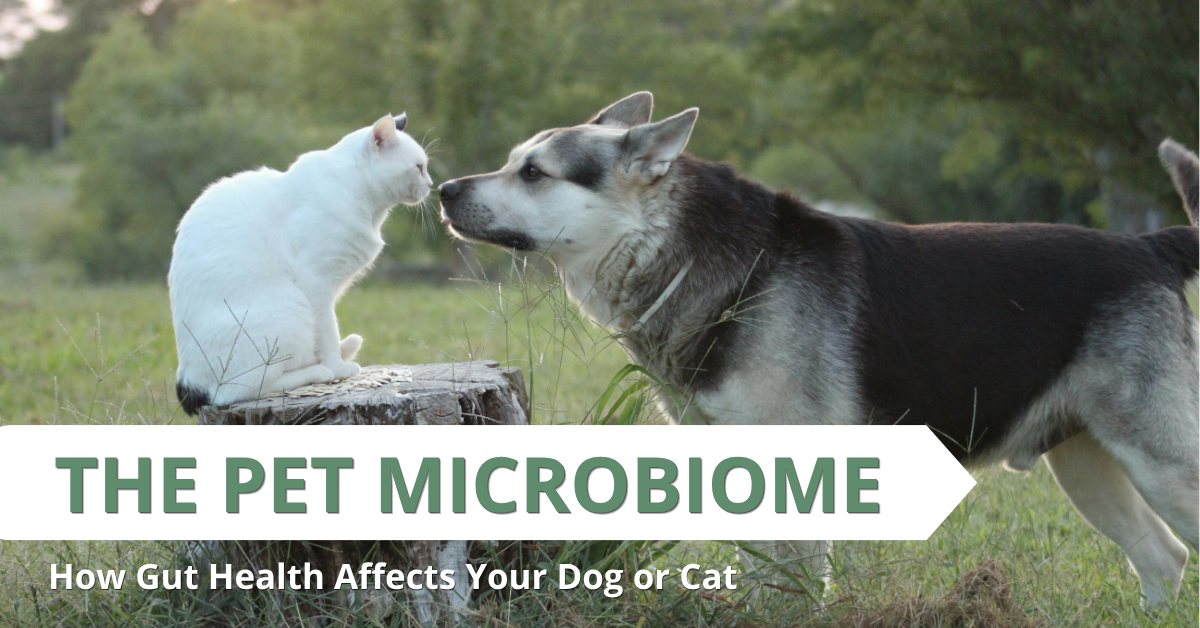
The microbiome is a community of trillions of microorganisms that live in and on your pet’s body. These communities include bacteria, fungi, yeasts, viruses, and other microscopic organisms. Together, they interact with your pet’s body and with each other.
Think of the gut microbiome as a tiny ecosystem. Just as a healthy forest needs many different plants, animals, fungi, and microorganisms working together, your pet’s gut benefits from a diverse community of microbes.
The goal isn’t to eliminate every potentially harmful microbe, but to maintain a diverse, balanced ecosystem where beneficial microbes can thrive and no single group gets an opportunity to take over.
Why is the Gut Microbiome Important?
Your pet’s gut does much more than digest food. The digestive tract is closely connected to the immune system, metabolism, nervous system, and other parts of the body. This means the health of your pet’s gut can have effects far beyond their poop. Here are some of the top things the gut microbiome helps with:
- Digestion and Nutrient Absorption: A healthy gut microbiome plays an important role in helping your dog or cat make the most of the food they eat. Microorganisms in the digestive tract help break down certain components of food that the body can’t digest on its own. They also produce compounds, including short-chain fatty acids (SCFAs), that can support the cells lining the intestines.
- Immune System Support: The gut microbiome interacts with the intestinal lining and immune system, helping the body distinguish between harmless substances and potential threats.
- A Healthy Intestinal Barrier: Your pet’s intestinal lining acts as a protective barrier. It needs to allow nutrients and other useful compounds to pass through while helping keep unwanted substances where they belong (inside of the digestive tract). When the gut becomes inflamed or the microbial community becomes disrupted, the intestinal barrier can also be affected. You may hear this referred to as “leaky gut.” Learn more about leaky gut in dogs ->
What is Gut Dysbiosis?
Dysbiosis is a term used to describe an unhealthy disruption of the microbial diversity in the gut. This can happen when beneficial microbial populations decrease, certain microbes become unusually abundant, or overall microbial diversity changes.
There isn’t one single cause of gut dysbiosis. A variety of factors can influence your pet’s gut microbiome, including:
- Diet or sudden changes in diet
- Antibiotics and other medications
- Illness or infection
- Stress
- Age
- Lifestyle and environment
- Underlying health conditions
Even something as simple as a stressful event can temporarily affect digestion and the gut microbiome. That’s why gut health is more than simply adding a probiotic or changing your pet’s food. It’s about looking at the whole picture.
Signs Your Pet May Have Poor Gut Health
There isn’t one specific symptom that points to your pet having an unhealthy microbiome, but any of these problems can be a sign that something isn’t quite right:
- Diarrhea
- Constipation
- Gas or bloating
- Low energy
- Changes in appetite
- Sensitive stomach
- Changes in weight
- Food sensitivities
- Itchy skin
- Recurring ear problems
If your pet has persistent diarrhea, chronic skin issues, weight loss, or other ongoing health issues, your veterinarian should help determine what’s really going on.
What Can You Do to Support Your Pet's Gut Health?
Start with a Nutritious Diet
Food is one of the biggest factors that influences the gut microbiome. Every meal provides nutrients not only for your pet, but also for the microorganisms living inside their digestive tract. There is no one universally perfect diet for every dog or cat, as pets have different nutritional needs, preferences, health conditions, and lifestyles.
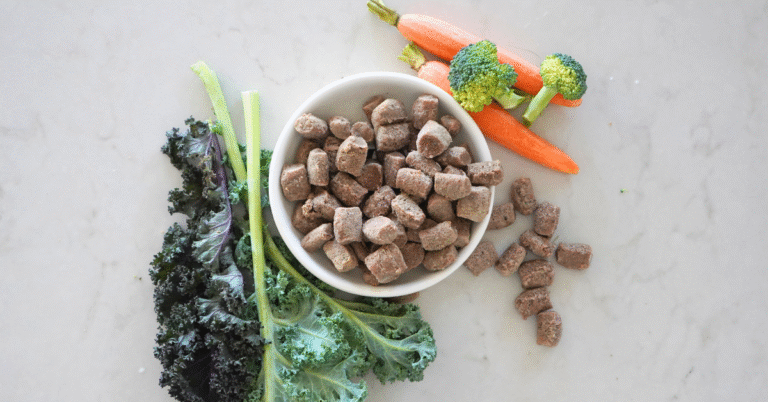
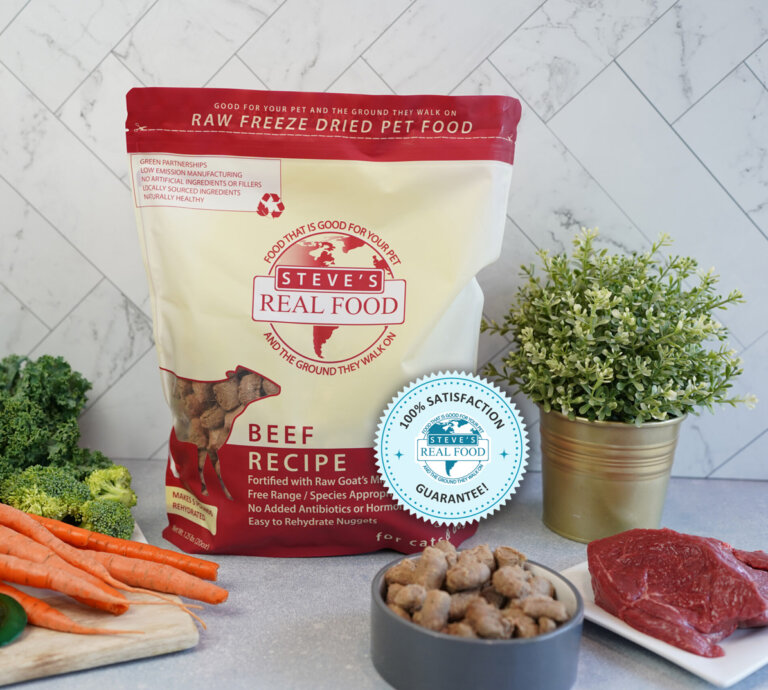
Instead, focus on feeding a complete and balanced, minimally processed diet made with quality ingredients. Incorporating fresh foods into the diet daily, like a freeze-dried raw topper, canned sardines, fresh blueberries or cranberries, spinach, kale, or eggs, is a great way to increase variety and add extra bioavailable nutrients.
Probiotics for Dogs and Cats: Do They Work?
What is a probiotic?
- Probiotics = beneficial microorganisms
- Prebiotics = substances that help feed certain microorganisms
- Postbiotics = beneficial compounds of components produced by microorganisms
Probiotics may be useful in certain situations, including when a pet’s normal gut bacteria have been disrupted by illness, stress, dietary changes, or medications. However, not every probiotic is the same, and more doesn’t always mean better.
If you’re considering a probiotic supplement for your pet, talk with your veterinarian about which product and strain may be appropriate.
What About Fermented Foods?
During fermentation, microorganisms break down components of food and produce a variety of compounds, including postbiotics. Some fermented foods may also contain live microorganisms. But remember that not every fermented food intended for humans is safe or appropriate for dogs and cats.
If you want to add fermented foods to your pet’s diet, consider:
- Kefir: Plain cow or goat milk kefir is rich in beneficial bacteria. You can find pet brands that offer commercial raw fermented milks designed specifically for pets.
- Yogurt: Plain, unsweetened yogurt with live active cultures supports gut health. Avoid any brands containing added sugars or artificial sweeteners like xylitol.
- Fermented vegetables: Plain sauerkraut or fermented carrots provide fiber and prebiotics. Ensure they are made without harmful seasonings like garlic, onions, or excessive salt. Some pet companies make specialized fermented veggie blends for pets.
Raw Food and the Gut Microbiome
Heavily processed foods, like kibble, lose much of their nutritional value during processing and are harder for the gut to use – meaning the food is less beneficial for the microbes.
Gut microbes thrive on minimally or non-processed, low-carb foods like raw diets. Real food provides the best variety of naturally occurring compounds and prebiotic fiber (the preferred food for beneficial bacteria).
Diet doesn’t have to be all-or-nothing. If feeding a fully raw diet isn’t possible for your budget or lifestyle, include what you can. Many studies have shown improvements from replacing just 25% of a processed diet with fresh foods.

Frequently Asked Questions
What is the microbiome in dogs?
The canine microbiome is the community of microorganisms, including bacteria, fungi, viruses, and other microbes, that live in and on a dog’s body. The gut microbiome is the community living throughout the digestive tract and plays an important role in digestion, intestinal health, and immune function.
What is the microbiome in cats?
The feline microbiome is the community of microorganisms that naturally live in and on a cat’s body. The gut microbiome is particularly important because it interacts with digestion, the intestinal lining, and the immune system.
What are the signs of an unhealthy gut in dogs and cats?
Signs that may indicate a digestive or gut health problem include diarrhea, constipation, gas, low energy, changes in appetite, weight changes, or recurring digestive upset. Skin and ear problems can have many causes but may also occur alongside digestive issues.
What are the best probiotics for dogs and cats?
There isn’t one probiotic that is best for every pet. Different probiotic strains have different properties, and the right choice depends on your pet’s health and individual needs. Consult with your veterinarian before starting a probiotic supplement.
Can dogs take human probiotics?
Human probiotics aren’t necessarily appropriate for dogs. Products designed specifically for dogs are formulated with canine needs in mind.
How can I improve my pet’s gut health?
Supporting your pet’s gut health starts with a complete and balanced, minimally processed food, appropriate dietary variety, gradual food transitions, exercise, enrichment, stress management, and good veterinary care.
Can raw food improve a pet’s gut microbiome?
Diet plays a major role in the composition of a dog or cat’s gut microbiome. Choosing a commercial raw diet, like Steve’s Real Food, is a great choice as it makes feeding raw simple, safe, and provides peace of mind that your pet is getting exactly what they need.
What is gut dysbiosis?
Gut dysbiosis describes a disruption or imbalance in the normal microbial community of the digestive tract. It can involve changes in microbial diversity or the abundance of particular microorganisms and may be associated with digestive and other health conditions.
What is leaky gut in dogs?
“Leaky gut” is a commonly used term for increased intestinal permeability, meaning the intestinal barrier becomes more permeable than normal. This can occur for a variety of reasons.
Can I test my dog’s microbiome?
Stool-based microbiome tests are available and can provide information about the microorganisms present in your pet’s digestive tract. However, microbiome testing should be interpreted in context and isn’t a substitute for a veterinary examination or diagnosis.
Where to Buy Raw Pet Food
Visit our Store Locator to find an independent pet retailer near you, or shop our online store for raw pet food delivery.