Beef
Beef Chicken
 Whitefish
 Pork
Pork Lamb
Lamb Turkey
 Turducken
 All Protein
 Beef
Beef Chicken
 White Fish
 Pork
Pork Turkey
 Duck
Duck All Products
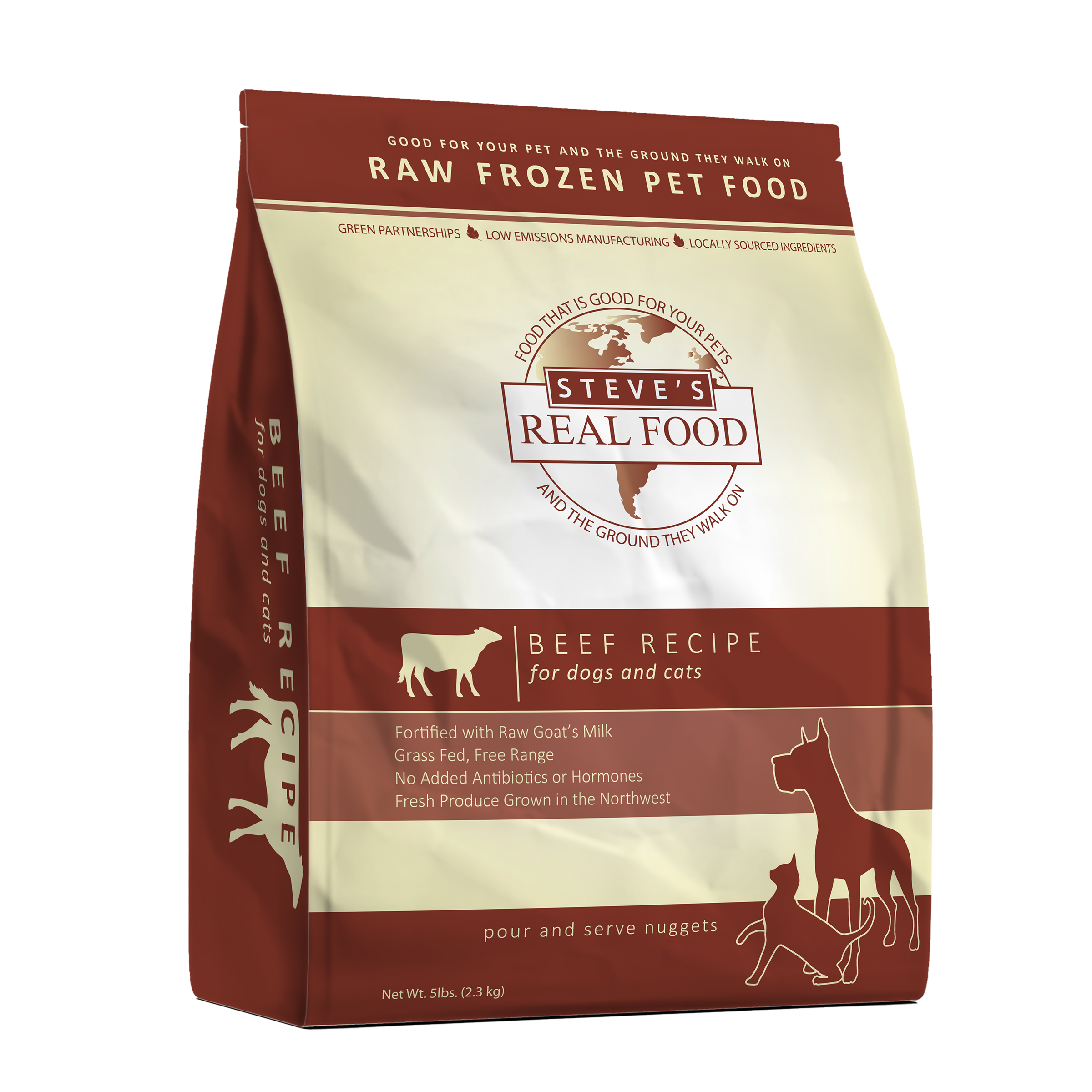 Frozen Raw Food
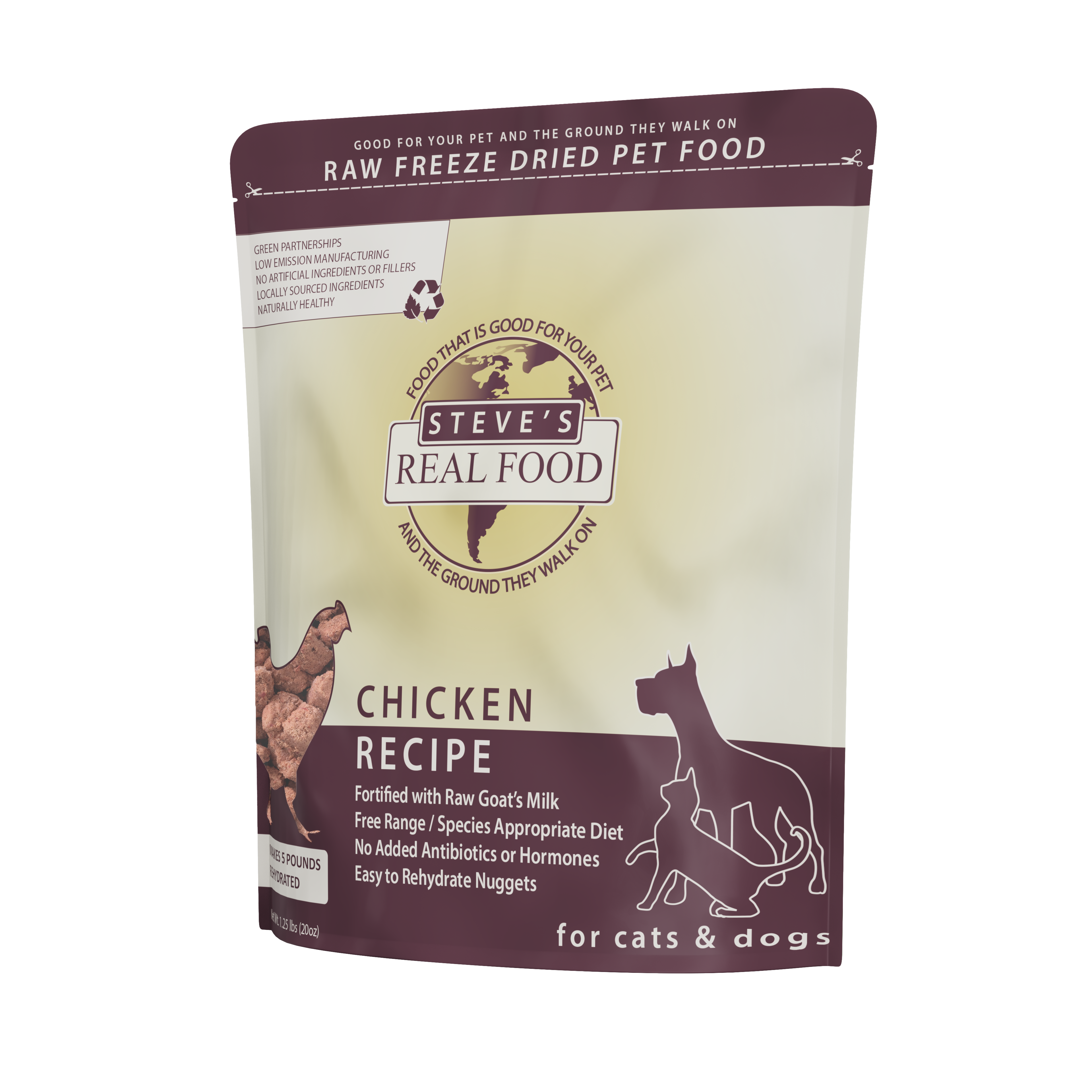 Freeze Dried Raw Food
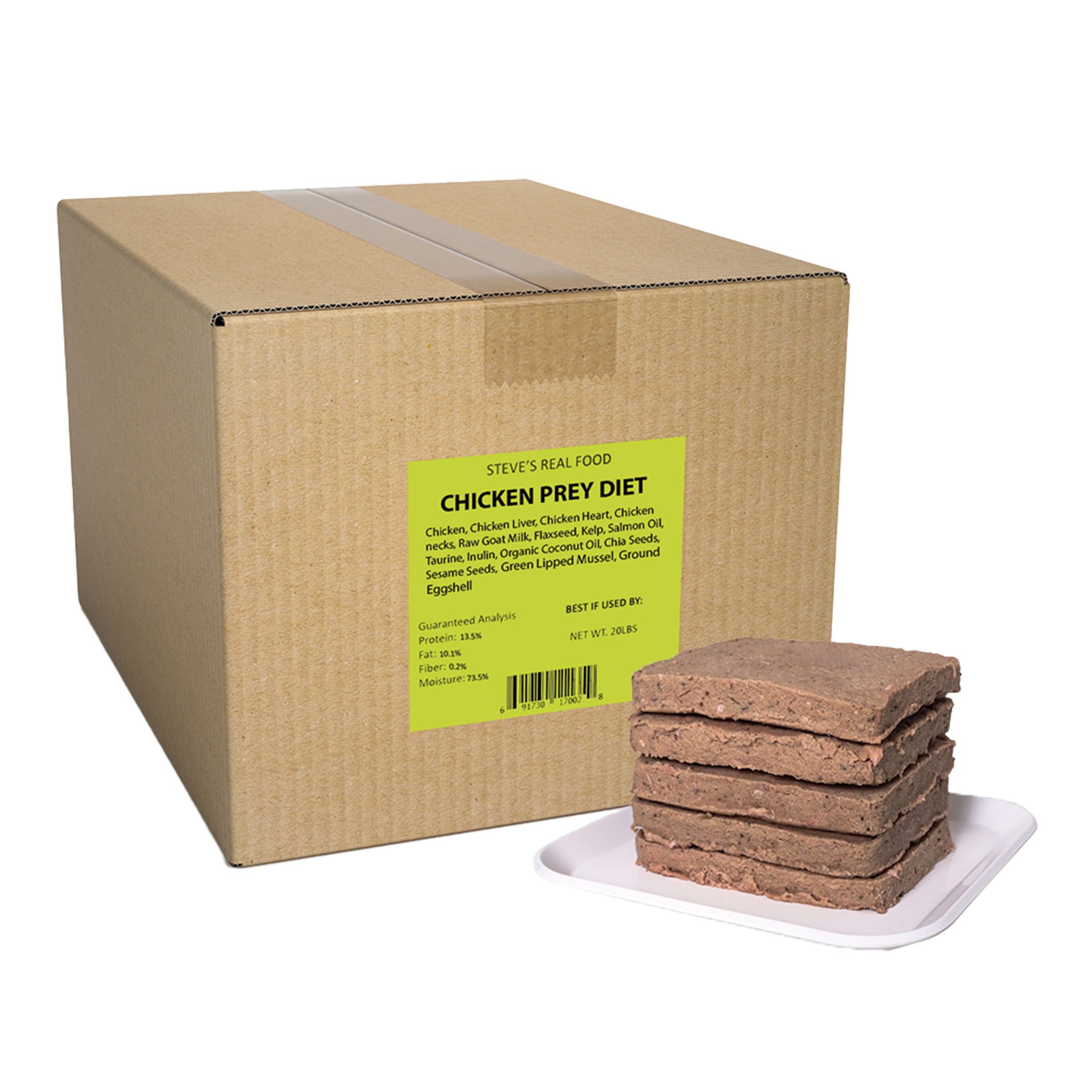 Frozen Prey Diet
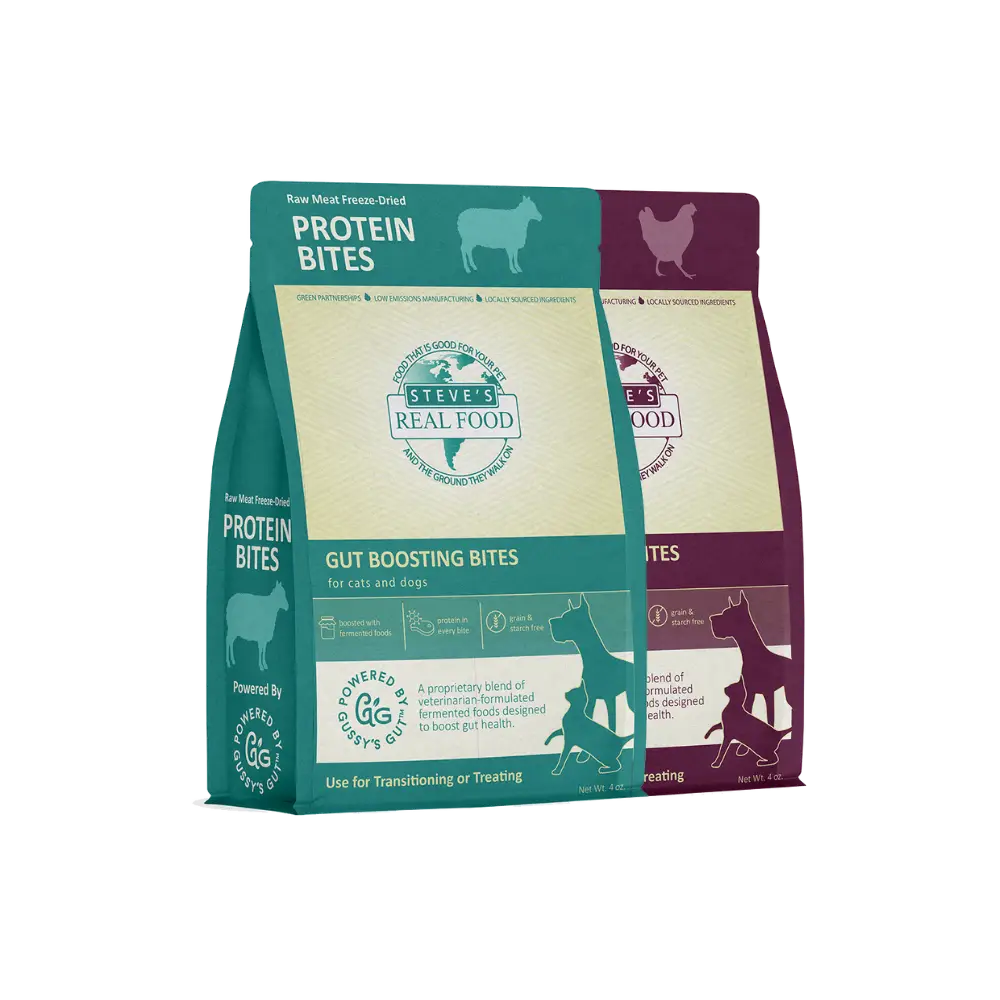 Freeze Dried Protein Bites
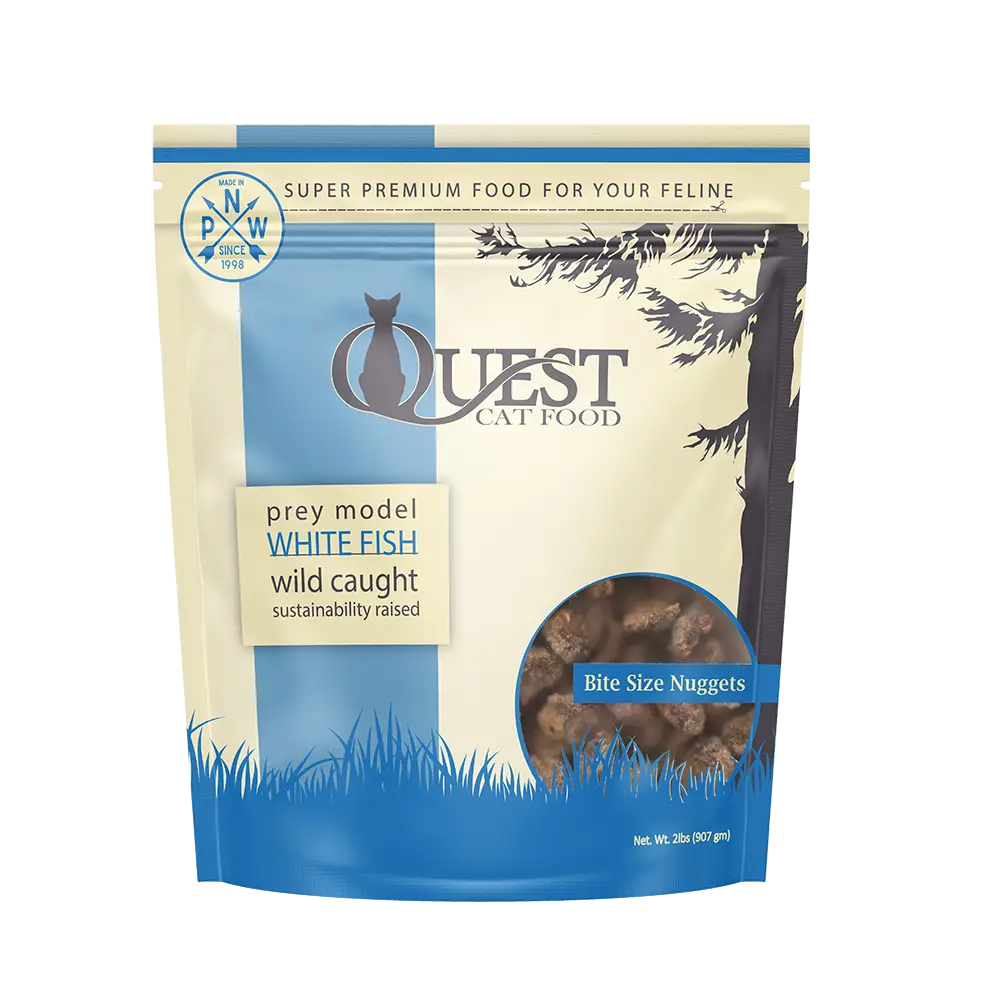 Frozen Raw Quest
 Freeze Dried Raw Quest
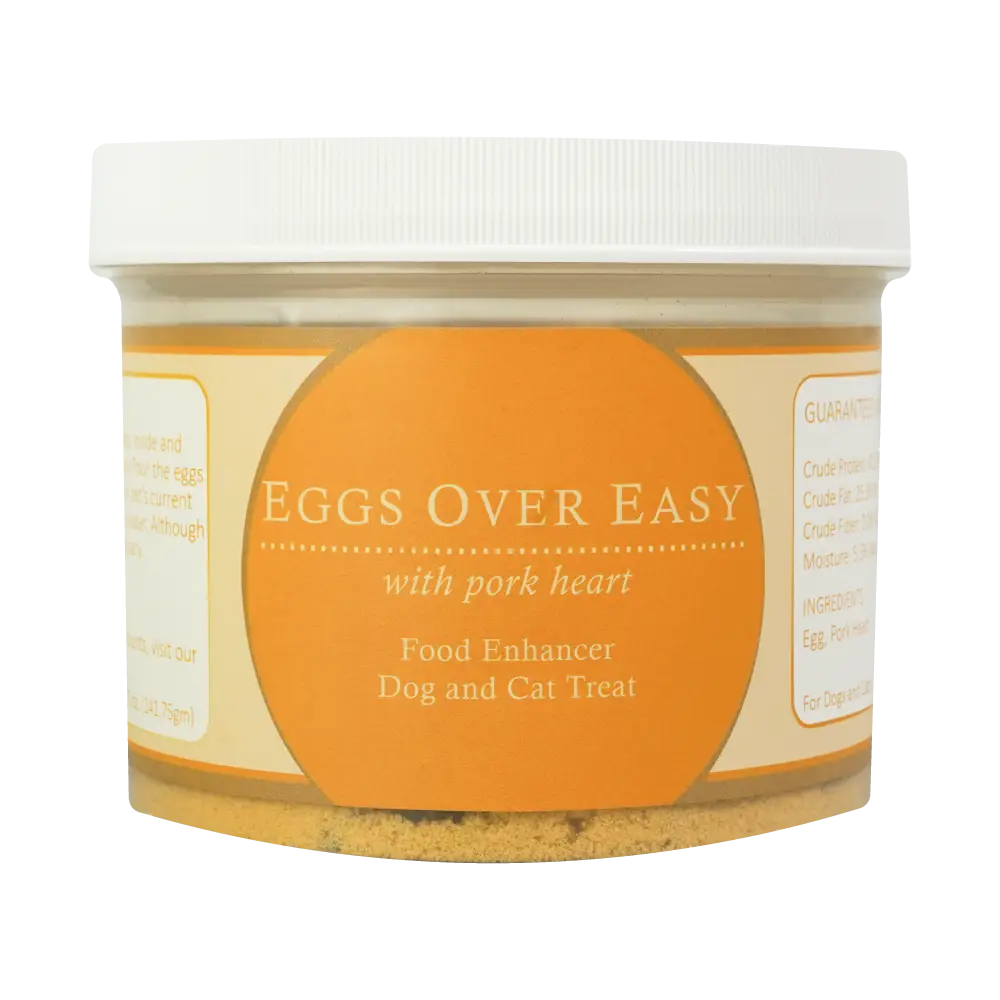 Eggs over Easy
 Steve's Merch

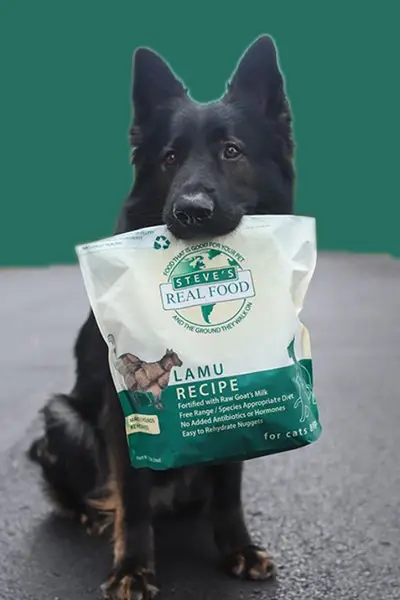








Getting started with raw pet food can feel overwhelming, but it’s a great choice to switch your pet’s diet to fresh, minimally processed nutrition. It’s also easier than you may think. This beginner’s guide will walk you through everything you need to know, including the benefits of raw feeding, how to transition your pet, and answers to common questions and concerns.
What is Raw Pet Food?
Raw diets are made from minimally processed, uncooked ingredients. The concept behind raw pet food is to mimic the natural diet that dogs and cats have eaten for thousands of years. Dogs and cats are descendants of carnivores, and their digestive systems are designed to process and absorb nutrients from animal sources. For carnivores and their wild ancestors, a diet predominantly consists of meat, which provides essential proteins, vitamins, and minerals crucial for their overall well-being.
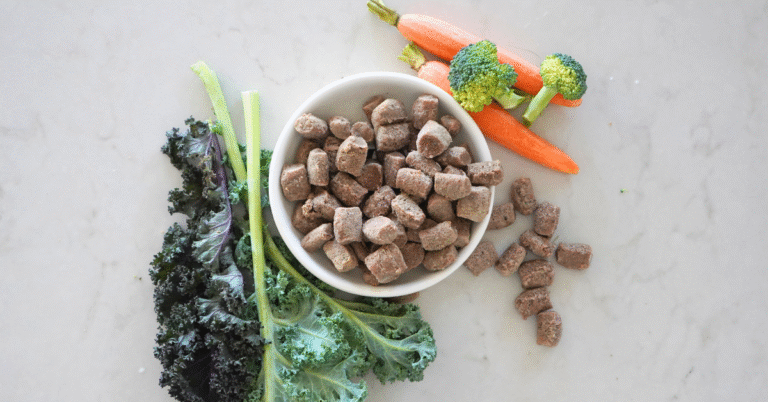
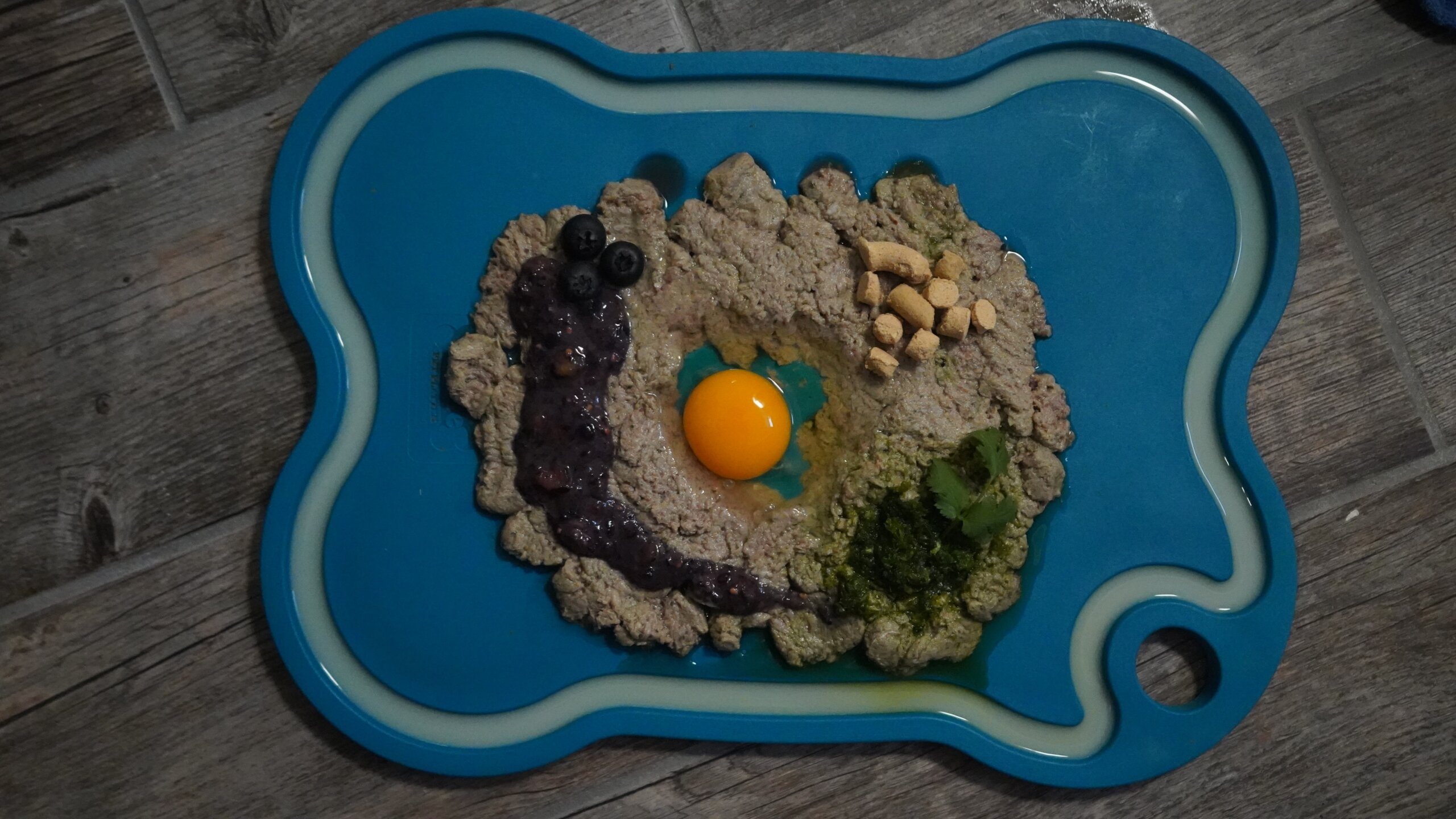
While recipes and ratios vary, balanced raw diets typically include a combination of:
- Muscle meat
- Organ meat (such as liver or kidney)
- Bone for calcium
- Fruits and vegetables
- Natural supplements (like fish oil or dried raw goat milk)
A raw pet food diet honors and supports our pets’ biological predisposition, ensuring they receive the nutrition nature intended.
Benefits of Feeding a Raw Diet
High heat processing during kibble production degrades the nutritional value of the ingredients. Nutrient-void filler ingredients in dry foods also lack the essential nutrients in real meat, and may contribute to digestive issues, allergies, poor dental health, and obesity in pets.
Many pet parents report improvements in their pets after switching to a balanced raw diet.
Improved Digestion
Raw diets are often easier for pets to digest because they contain fewer fillers and unnecessary carbohydrates. Because raw diets are made with whole, uncooked foods, nutrients are more bioavailable, meaning pets can absorb and utilize them more efficiently. This can lead to:
- Smaller, firmer stools
- Reduced gas and bloating
Healthier Skin and Coat
One of the most noticeable changes many pet parents observe after switching to raw is improved skin and coat health. Properly formulated raw diets are naturally rich in omega-3 fatty acids that support:
- Healthy, hydrated skin
- Soft, shiny coat
- Reduced itching or dryness
Pets with chronic skin issues can benefit from switching to diets with fewer processed ingredients and artificial additives.
Increased Energy and Vitality
Because raw diets provide highly digestible protein and natural nutrients, many pets experience improved or steadier energy levels. Pet parents may notice their dogs or cats becoming more active, playful, and engaged.
Better Weight Management
Species appropriate, protein-rich diets can help support lean muscle mass and a healthy body composition. Many pets on raw diets maintain a more stable and healthy weight, particularly when compared to carbohydrate-heavy kibble diets.
Dental Health Support
High-carbohydrate diets, like kibble, can contribute to plaque buildup on teeth. Raw food’s low carbohydrate content and natural enzymes promote dental health and help reduce the production of acids that contribute to tooth decay. While raw food is not a substitute for regular dental care, some pet owners notice improved oral health and fresher breath after switching diets.
Is Raw Pet Food Safe?
Safety is one of the most common concerns when feeding pets raw food. When handled properly, raw pet food is no more risky than preparing raw meat for your own dinner. Basic food safety practices include:
- Keeping food frozen and at appropriate temperatures
- Thawing food in the refrigerator
- Washing hands after handling raw food
- Cleaning food dishes regularly
Dogs and cats have biological adaptations that help them process raw foods in ways we can’t, including highly acidic stomachs and shorter digestive tracts.
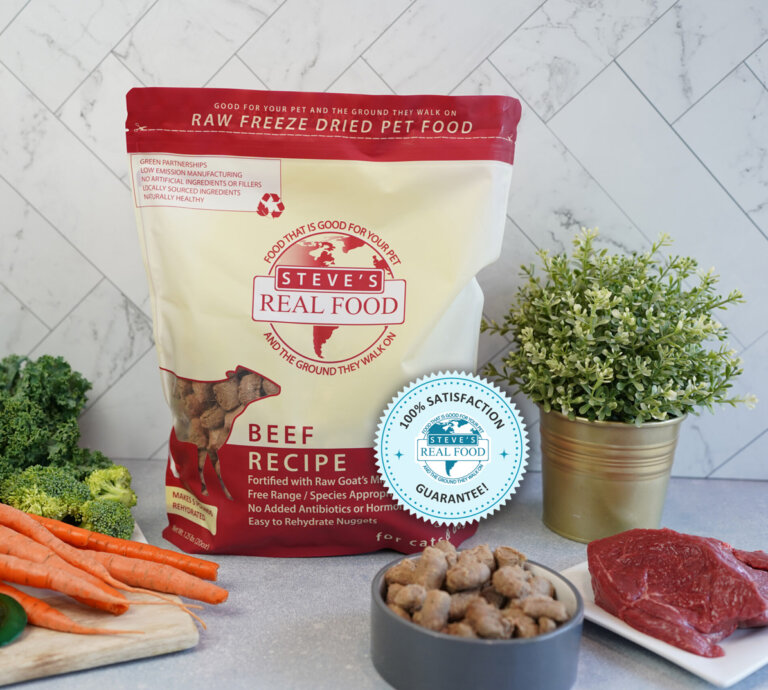
For beginners, it’s best to start with a commercially prepared raw food, like Steve’s Real Food. This is the simplest and safest way to start feeding raw, as these products are formulated to be nutritionally balanced, are portion-ready and convenient, and are made with carefully sourced ingredients. Steve’s Real Food also has several manufacturing steps in place to ensure the safety of our raw foods.
How to Start Feeding Your Pet Raw
It’s best to do a gradual transition when switching your pet to raw food, especially if they’re used to eating a kibble-exclusive diet. This helps reduce the risk of digestive upset. A typical transition schedule looks like this:
- Day 1-3: Feed 25% raw food and 75% old food
- Day 4-6: Feed 50% raw food and 50% old food
- Day 7-9: Feed 75% raw food and 25% old food
- Day 10+: Feed 100% raw food
Use your pet’s poop as a guide during this process. If they experience any gas or loose stools, that’s an indication that you may need to extend your transition period and go more slowly.
After your pet adjusts to raw food, rotating between different protein sources is recommended as it provides nutritional variety, helps reduce the risk of developing food sensitivities, and keeps mealtime interesting.
How Much Raw Food Should You Feed?
The amount of raw food your pet needs depends on several factors, including size, age, and activity level. When using a commercial raw diet, you can find daily feeding recommendations on the packaging. Use our Feeding Calculator for a custom feeding recommendation for Steve’s Real Food.
Common Concerns About Raw Feeding
Many beginners have similar questions before starting a raw diet. Here are answers to some of the most frequently asked questions.
Is raw food expensive?
Raw diets may cost more than most kibble brands. However, many pet parents view raw feeding as an investment in their pet’s long-term health. Pet owners have reported fewer issues related to digestive problems, skin conditions, and food sensitivities, and these potential improvements can offset costs over time.
It’s important to note that raw food isn’t all-or-nothing. Using it 50/50 with kibble or even as a daily meal topper can help it fit into your budget and provide fresh food benefits to your pet.
What if my pet is a picky eater?
Many pets find raw food extremely palatable, and most pets adjust quickly once they recognize the food as part of their routine. If your pet is hesitant at first, try:
- Adding a small amount of bone broth or another topper
- Adding warm water to the food to bring out the aroma
- Letting raw food warm up to room temperature before feeding
- Starting with a protein your pet already enjoys
- Try these other tips for dog picky eaters
It can be more difficult to transition cats to raw food as they are imprint eaters, but you can get there with patience and perseverance.
Is Raw Feeding Right for Your Pet?
Every pet is different, and there is no one-size-fits-all approach to nutrition. Raw feeding isn’t all or nothing, so adding even 20% of fresh food to your pet’s diet can make an impact on their long-term health.
Steve’s Real Food was the first commercial raw diet on the market in the US in 1998. Our safely crafted foods offer superior nutrition and are simple to serve. Find Steve’s Real Food at your local pet store or shop online.