Beef
Beef Chicken
 Whitefish
 Pork
Pork Lamb
Lamb Turkey
 Turducken
 All Protein
 Beef
Beef Chicken
 White Fish
 Pork
Pork Turkey
 Duck
Duck All Products
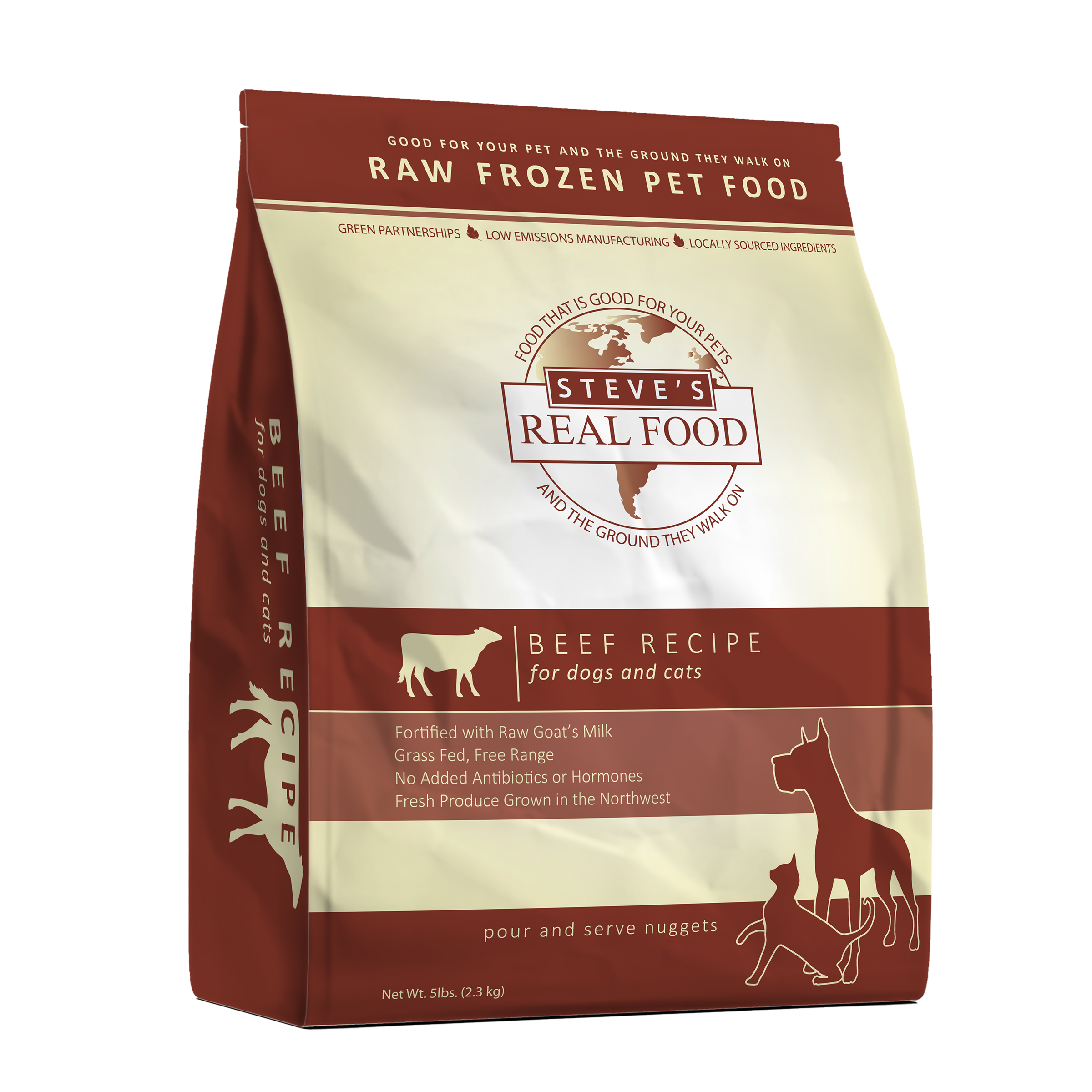 Frozen Raw Food
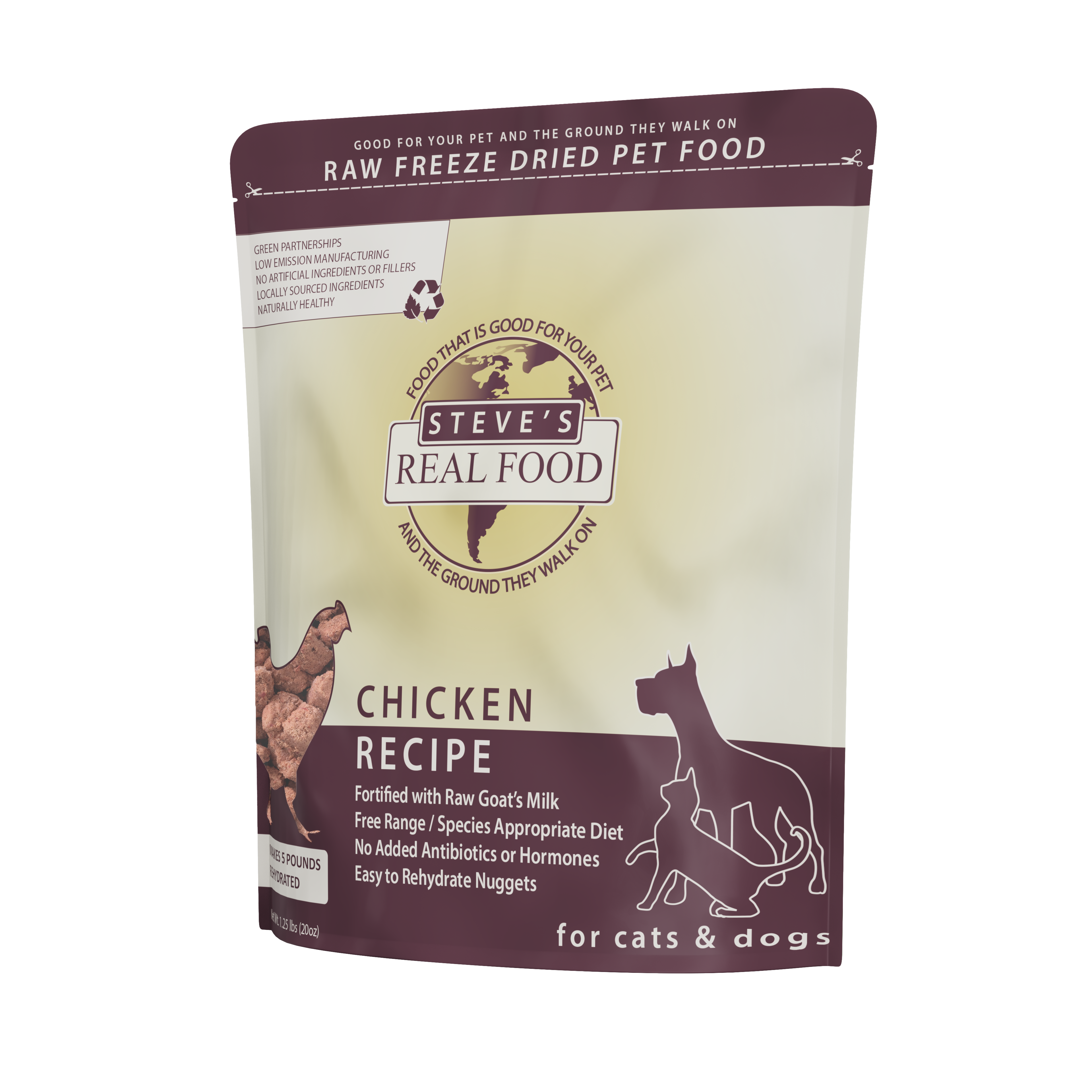 Freeze Dried Raw Food
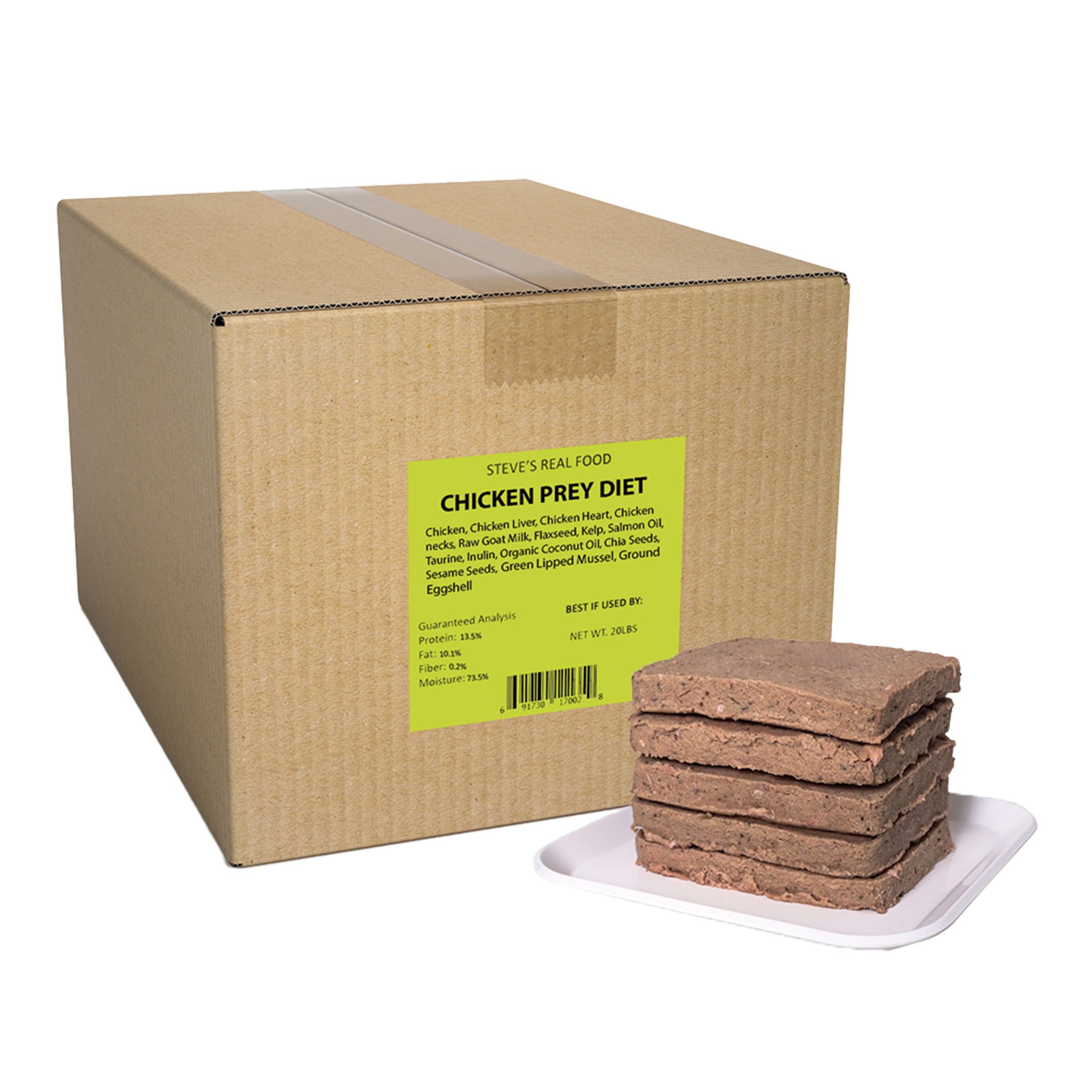 Frozen Prey Diet
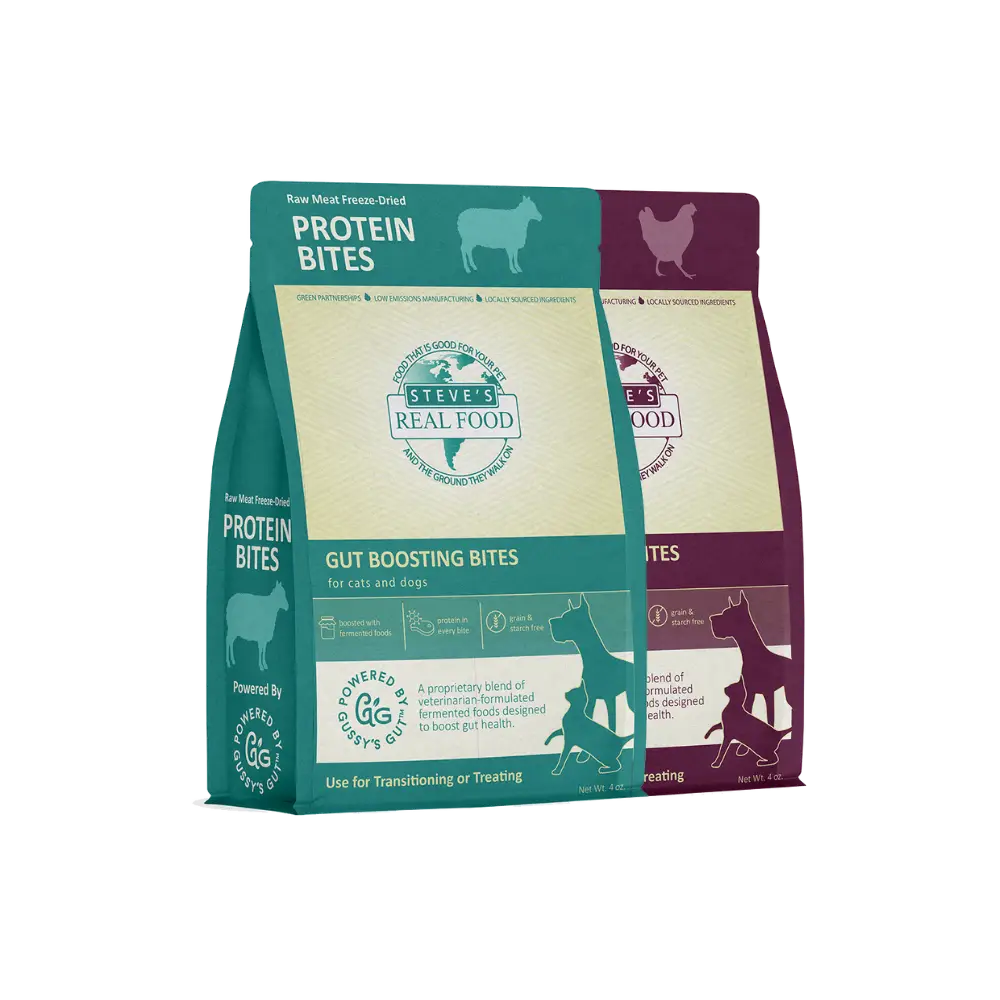 Freeze Dried Protein Bites
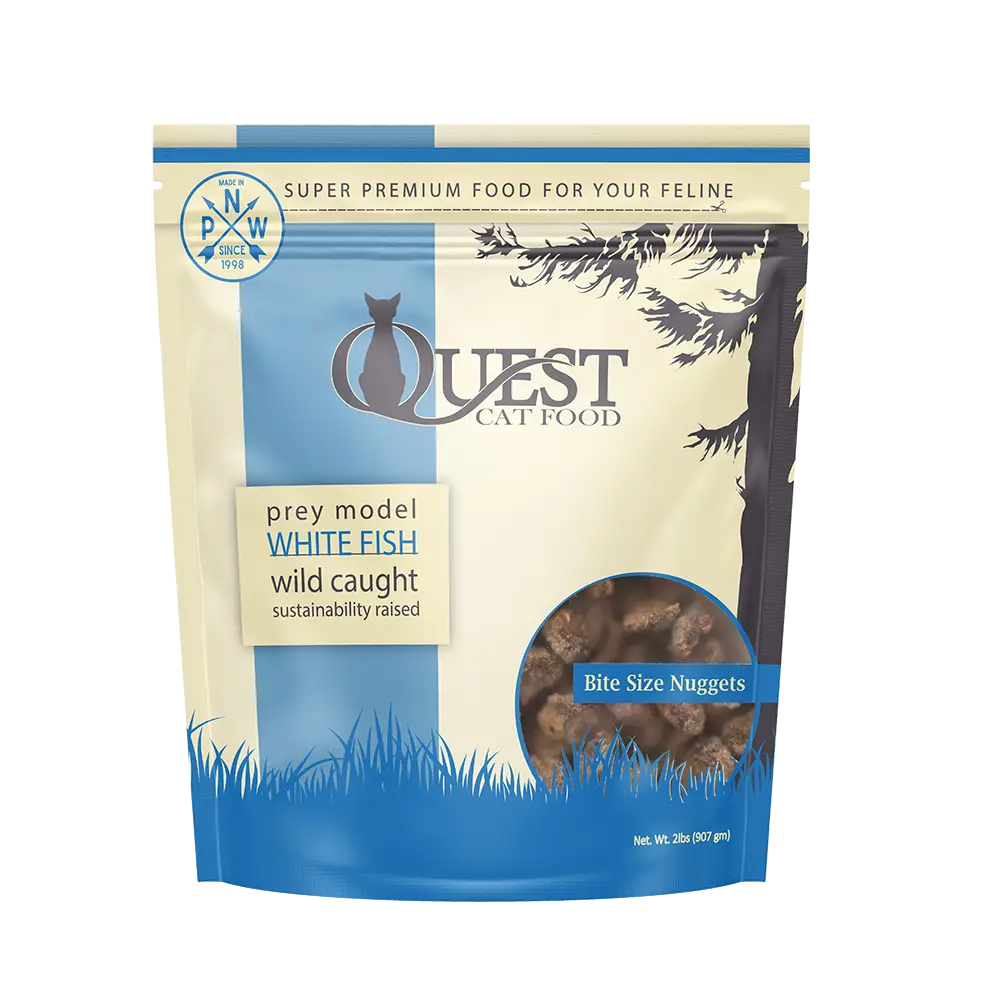 Frozen Raw Quest
 Freeze Dried Raw Quest
 Eggs over Easy
 Steve's Merch










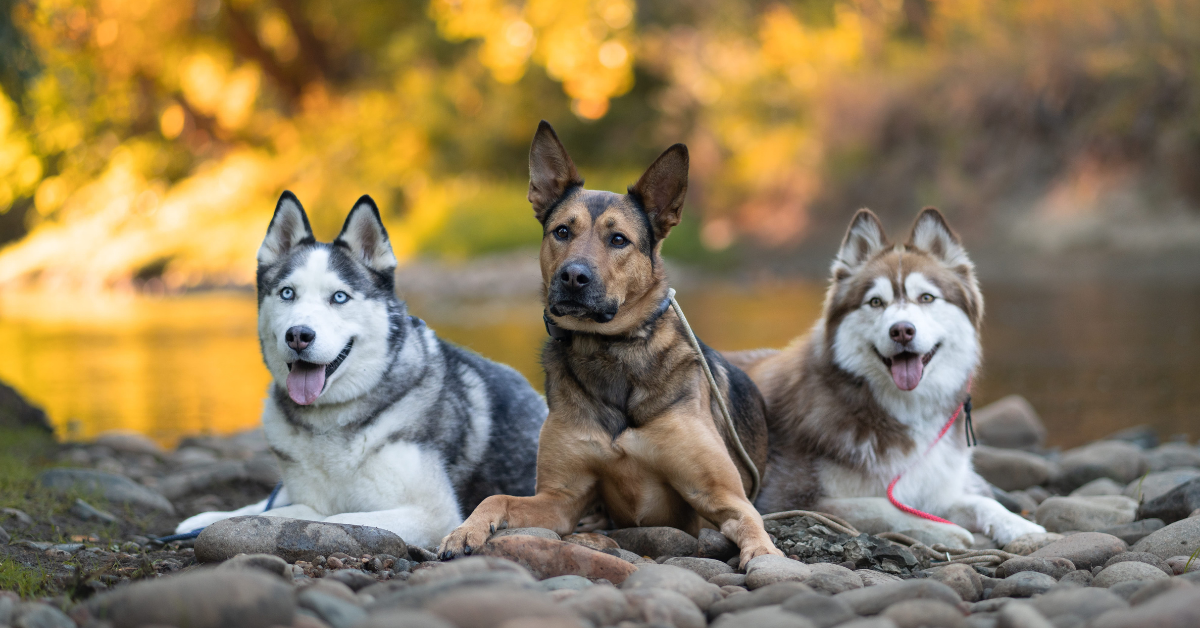
If your dog starts constantly scratching, licking their paws, rubbing their face, or developing hot spots as the weather cools down, they may be suffering from fall allergies. We most often associate spring with seasonal allergies in our dogs, but fall brings its own set of allergy triggers that can make your pup miserable. Here are some of the most common reasons your dog may develop allergy symptoms in the fall:
1. Fall brings an increase in mold spores
Mold is a common allergy trigger for dogs, and it increases during the fall season. Fallen leaves and wet outdoor soil create the perfect environment for mold to grow. As leaves decompose on the ground, mold spores are released into the air. Dogs come into contact with these spores anytime they are outside around leaves or other decomposing materials.
2. Ragweed season can cause a flare-up
Ragweed is another common allergy trigger for dogs’ autumn allergies. Pollen counts usually peak in the late summer/early fall, but ragweed can continue to release pollen until the first hard frost, elongating the allergy season. It gets onto dogs’ fur, paws, and skin, and can cause itchy skin, excessive paw licking, ear irritation, and scratching.
3. Your dog is bringing allergens inside
Unfortunately, autumn allergens like mold and pollen are often brought into the house on your dog’s fur and paws. Once inside, the allergens stick to carpet, furniture, floors, blankets, etc.
4. Cooler, drier air can affect the skin
Fall weather is typically cooler and less humid than the summer. This can exacerbate skin problems by drying out skin already irritated by environmental allergies. When the skin barrier becomes compromised, dogs may be more prone to itching and irritation.
5. Fleas can still be a problem
Depending on the location, fleas can still remain active and present until well into the winter. It can take just one flea bite to cause serious itching or flea allergy dermatitis in dogs.
What Can You Do About Your Dog's Fall Allergies?
You can’t control the allergens outdoors that your dog may come into contact with, but you can help reduce exposure and support your dog’s skin and coat health:
- Wipe their paws immediately after walks
- Wash bedding regularly
- Rake decomposing leaves away from their main play areas
- Keep up with flea prevention
- Incorporate natural allergy relief into their daily routine
Can Diet Help Dogs With Fall Allergies?
While diet cannot cure or prevent dog seasonal allergies, it can do a lot to help support your dog’s overall health and healthy skin and coat. In turn, this can help to reduce the negative effects of fall allergies, like excessive itching.
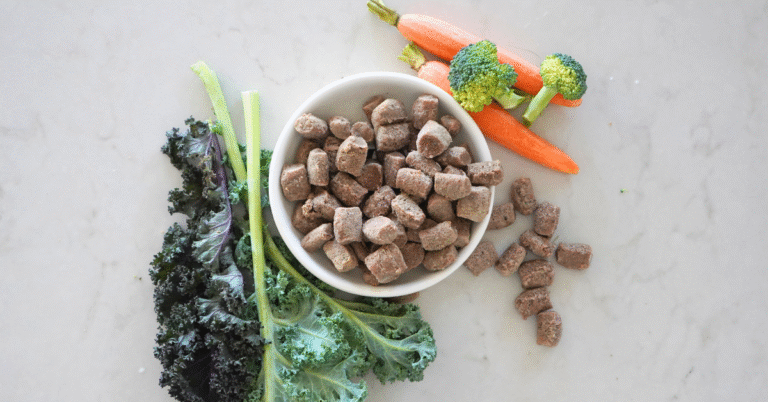
A high-quality raw diet provides essential nutrients like fatty acids and protein to best support your dog’s skin and coat during allergy season. Steve’s Real Food recipes include ingredients like salmon oil, flaxseed, and green-lipped mussel, which are excellent sources of fatty acids to support your dog’s skin and coat. While switching from kibble to a raw diet may seem like a major step, it doesn’t have to be all or nothing, and Steve’s Real Food makes it simple for beginners.
Where to Buy Raw Pet Food
Visit our Store Locator to find an independent pet retailer near you, or shop our online store for raw pet food delivery.